
Lompat ke konten utama
verifiedAIS-156 | UN38.3 | CE | IEC 62619 | Sistem sertifikasi ekspor 12 pasar
ID
TIANQIUEkspor Li-ion
Power × voltage × capacity · 3000W at the axle on the bench16S 58.6A / 24S 39.1A100Ah = 5.12 / 7.68 kWh3,500 cycles @1CIP67 steel case

How much power does an e-rickshaw batteryactually need? Separate kW, amps and Ah first

The short answer: power comes from the motor and controller, capacity comes from daily distance and payload. On one dynamometer channel at an equal 3000W at the axle, the 16S platform (48V and 60V share one pack, 51.2V nominal) carries about 58.6A of continuous bus current, while the 24S platform (72V, 76.8V nominal) carries about 39.1A — 33.3% less current, 55.6% less harness copper loss and 89.4% system drive efficiency. Capacity is a separate question: 100Ah is 5.12 kWh at 51.2V and 7.68 kWh at 76.8V — the same Ah, 50% more energy.

bolt
16S bus current at 3000Wabout 58.6A
speed
24S bus current at 3000Wabout 39.1A
battery_full
100Ah nominal energy band5.12 – 7.68 kWh

verifiedBench figures come from one dynamometer channel at the same 3000W rated load and can be re-checked; the signed specification sheet for your build governs.
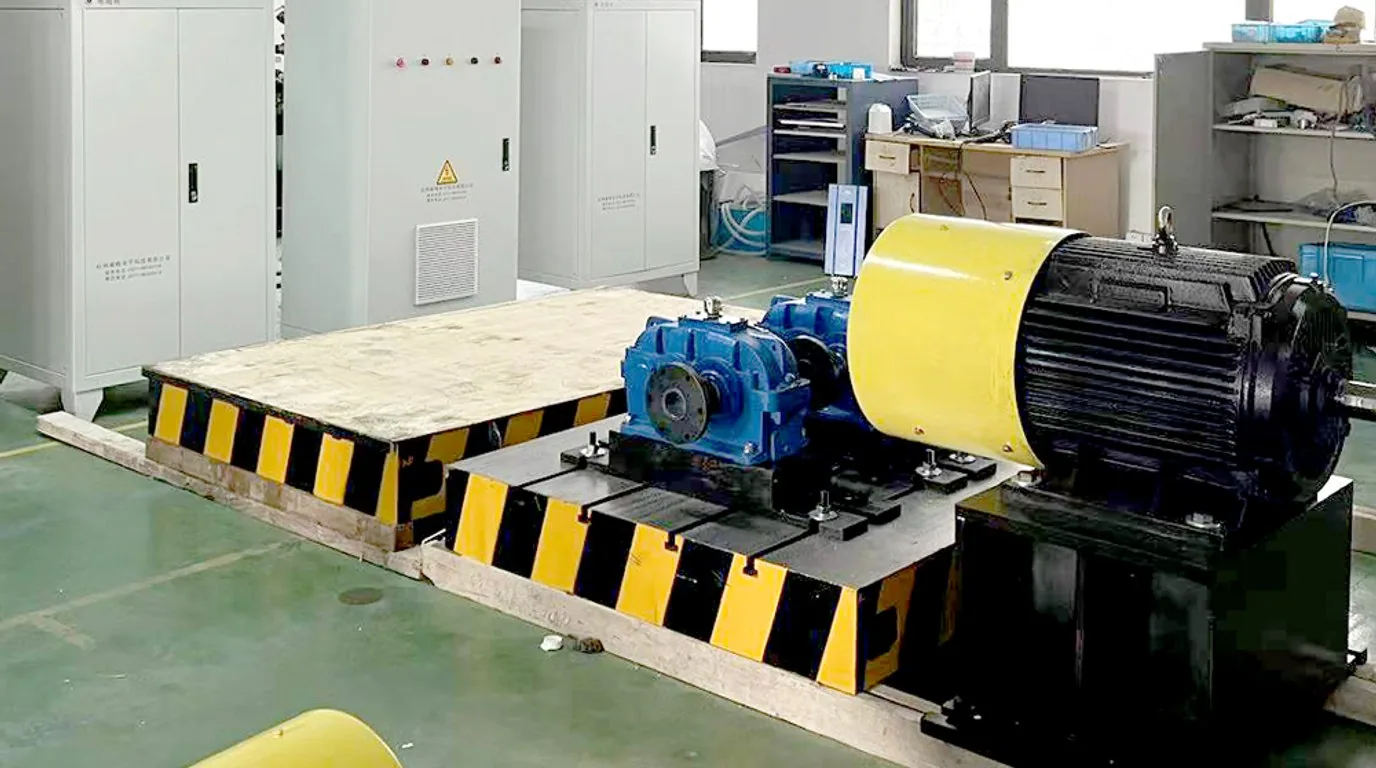
Dynamometer comparison of 48V, 60V and 72V powertrain platforms
helpPower, current, capacity

Four questions to answer: is the power enough, how many amps, how much energy, will the pack carry it

What does a battery’s “power” actually mean?

Power (W or kW) is the rate at which the pack can deliver energy at a given moment — voltage multiplied by current. Capacity (Ah) is how much charge it holds, and only when you multiply it by nominal voltage do you get energy (Wh or kWh). A 3000W motor pulls 58.6A from a 51.2V pack and 39.1A from a 76.8V pack: the same power, two completely different current paths. The most common buying mistake is answering a power question with an Ah figure — Ah never decides whether the vehicle can climb, it decides how far it goes.

How many amps does 3000W at the axle actually draw?

On one dynamometer channel at an equal 3000W rated load: the 16S platform (51.2V nominal, 58.4V full charge) draws about 58.6A of continuous bus current; the 24S platform (76.8V nominal, 87.6V full charge) draws about 39.1A, 33.3% lower. By P = I²R, harness copper loss falls 55.6% and system drive efficiency reaches 89.4%. That is the whole reason a higher-voltage platform is more efficient — Joule heating, not control tuning. The cost is real too: 87.6V at full charge and a 98.4V transient peak during regeneration mean the controller MOSFETs must be rated 100V–120V automotive.

How much energy does your route need each day?

Convert power into energy and capacity enters the picture. Our factory-calibrated consumption bands: passenger rickshaw 55–68 Wh/km, two-wheel delivery 28–35 Wh/km, loaded cargo 95–125 Wh/km. A passenger rickshaw running 100 km a day at 68 Wh/km needs about 6.8 kWh of energy; at the recommended 88% depth of discharge that is roughly 7.7 kWh nominal — which is why the same route asks for about 150Ah on the 51.2V platform and about 100Ah on the 76.8V platform. Run 60 km a day with a payload under 100kg and 100Ah is oversized instead.

Can a 100Ah pack carry a 3000W load?

Yes, subject to two numbers: continuous current and the BMS rating. A 100Ah cell sustains 100A at 1C, above the 58.6A that 3000W requires on the 16S platform; our 100Ah packs are rated 3,500 cycles @1C in an IP67 steel case with a potted BMS compartment, working from −20℃ to 65℃. What actually lets a vehicle down is usually the controller rating and the harness cross-section: 16S platforms need ≥16–25 mm² main cable, 24S platforms ≥6–10 mm². For the continuous and peak current limits of a specific BMS, ask for the datasheet for that configuration — do not order from figures in an article.
account_treePower → platform → capacity

Pick the platform from motor power, then the capacity from daily distance

Read the motor rating first, check it against daily distance and payload, then close out on controller voltage rating and cable cross-section. Bus current is the bench figure at an equal 3000W at the axle.

Bench readings × factory-calibrated consumption
Motor ratingRecommended platformBus current at 3000WFull-charge voltageTypical daily distanceStarting capacityMain cable
800W – 1500W48V (16S LFP · 51.2V)About 58.6A58.4V40 – 70 km50 – 60Ah≥ 16 – 25 mm²
1500W – 2500W60V (16S LFP · 51.2V)About 58.6A (same 16S pack as 48V)58.4V70 – 120 km60 – 100Ah≥ 10 – 16 mm²
2500W – 5000W+72V (24S LFP · 76.8V)About 39.1A (33.3% below 16S)87.6V90 – 160 km80 – 100Ah≥ 6 – 10 mm²

The capacity column is the starting value from the 55–68 Wh/km passenger band at 88% depth of discharge; grade, payload and charging window decide the final build. 48V and 60V share one column on purpose: both are replacement labels for a lead-acid bay, and the same 16S pack serves both — string count and nominal voltage, not the label, set current and energy. Full derivation in the voltage selection guide and the 100Ah capacity page.

Catatan spesifikasi:Angka-angka di atas adalah nilai referensi teknik. Nilai tersebut mungkin berbeda berdasarkan batch produksi, konfigurasi, dan siklus kerja aktual, dan persentase masa pakai, efisiensi, ketersediaan, dan cakupan merupakan perkiraan teknik dan referensi acuan. Hubungi kami untuk lembar spesifikasi rinci.

helpReader FAQ

The five questions we get most about e-rickshaw battery power

Does a bigger Ah rating make the vehicle more powerful?expand_more
No. Power depends on the voltage platform and the current the controller can supply; distance depends on Ah × voltage. The same 100Ah pack is 5.12 kWh at 51.2V and 7.68 kWh at 76.8V — 50% more energy — while power at the axle is set by the controller and motor.
How many amps does a 3000W motor draw at 60V?expand_more
60V shares the same 16S pack as 48V (51.2V nominal). On one dynamometer channel at an equal 3000W at the axle it draws about 58.6A of continuous bus current; the 72V platform (24S, 76.8V nominal) draws about 39.1A.
Why is a 72V platform more efficient?expand_more
At equal power the current drops 33.3%; by P = I²R that cuts harness copper loss 55.6% and lifts system drive efficiency to 89.4%. The gain comes from Joule heating, provided the controller is rated 100V–120V automotive for 87.6V full charge and a 98.4V transient peak.
What capacity does a 100 km/day passenger rickshaw need?expand_more
At 55–68 Wh/km and 88% depth of discharge the nominal demand is about 6.3–7.7 kWh: roughly 122–151Ah on the 51.2V platform, or 81–101Ah on the 76.8V platform. Confirm with route grade and payload before the datasheet is issued.
Where do the BMS current limits come from?expand_more
From the datasheet for the configuration you order. The bench currents in this article are sizing figures, not BMS promises — request continuous and peak current, protection thresholds and the cycle-test conditions for the exact model.
request_quotePower and capacity matching

Send the vehicle parameters and get a power–platform–capacity conclusion with pricing

Give us the destination port, motor rating, daily distance and everyday payload. We check the current against the bench figures, recommend a platform and capacity step, then return FOB / CIF pricing, container allocation and the shipping document list.

  • Sizing conclusion and pricing within 24 hours on working days
  • Engineering sample packs available to prove climbing and range before a container order
  • Vehicle parameters and market-access documents are strictly confidential; NDA available first
callDirect / WhatsApp: +86 13922702227
location_onEBattery Office, Room 310I, Huilange BLDG, No. 273, Huangpu Blvd W, Tianhe District, Guangzhou 510620, Guangdong, China
scheduleReply within 24 hours on working daysscienceSized on payload and distance, not on the highest voltageverified_userUN38.3 / MSDS / dangerous-goods packing certificate with every container

Catatan spesifikasi:Angka-angka di atas adalah nilai referensi teknik. Nilai tersebut mungkin berbeda berdasarkan batch produksi, konfigurasi, dan siklus kerja aktual, dan persentase masa pakai, efisiensi, ketersediaan, dan cakupan merupakan perkiraan teknik dan referensi acuan. Hubungi kami untuk lembar spesifikasi rinci.