
Swappable battery scooter:you buy the chassis — the battery is subscribed
The answer first: what defines the swap model is not that the pack can be removed — it is that the rider does not own the battery. The chassis (with its bay, connector and instrument) is bought outright, while the pack is an asset held by the operator: the rider subscribes monthly or pays per swap, and returns the pack to the cabinet. That single rule settles three things — how the vehicle price changes (the battery comes out of it), who carries degradation (the operator) and why the pack standard must be unified (if voltage platform, connector or protocol differ, the asset cannot rotate between vehicles and stations). This page covers the model, not vehicle or swap fees.
verifiedThis page explains the model and carries no vehicle price, subscription figure or swap fee: price follows chassis specification, pack capacity class, the swap-fee basis and the destination port, and has to be modelled in a formal quotation.
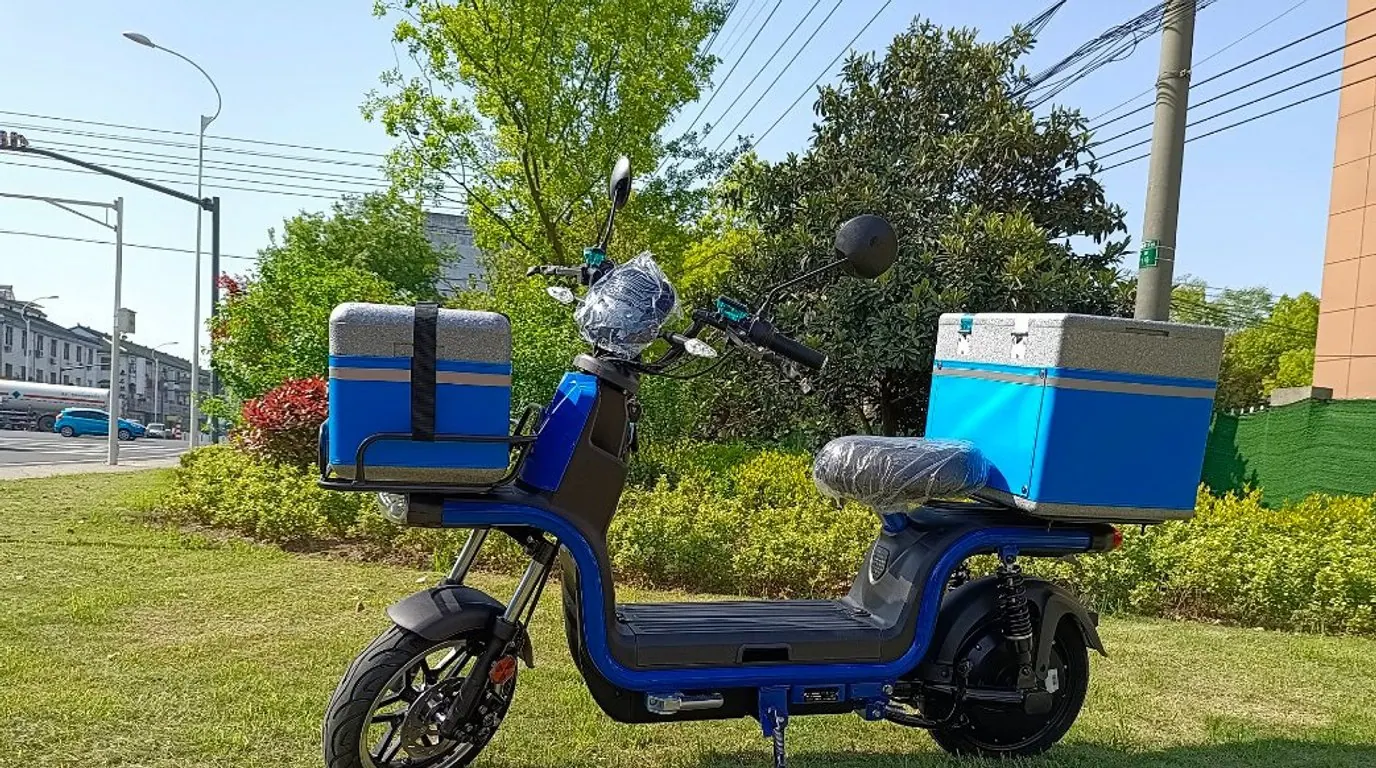
Three models compared: buy the battery, rent it, or pay per swap
All three coexist, because they suit different mileage profiles: steady high mileage favours subscription, volatile mileage favours pay-per-swap, and low mileage with your own charging point makes outright ownership enough.
| Model | What is paid at purchase | Battery ownership | How it is charged | Who carries degradation | Best suited to |
|---|---|---|---|---|---|
| Buy the battery (no swapping) | Vehicle price includes the pack | Rider / owner | One-off purchase | The owner | Commuters and private owners with modest mileage and a fixed charging point |
| Rent the battery (monthly subscription) | Vehicle price excludes the pack, or includes a leased pack at a lower price | Held by the operator (joint hold or transfer at term end negotiable) | Charged monthly on packs in operation | The operator | Delivery riders and fleets with high, steady daily mileage |
| Pay per swap (vehicle-battery split) | Vehicle price excludes the pack | Held by the operator | Settled per exchange at the swap fee | The operator | Riders with no fixed charging point and strongly seasonal mileage |
The dividing line is not only who pays, but which option is cheaper per kilometre. Subscription converts to “monthly fee ÷ monthly distance”; pay-per-swap converts to “fee per exchange ÷ distance per exchange”; ownership converts to “pack price ÷ total distance across its cycle life”. Only in the same unit are they comparable. Battery ownership, the charging basis and the spares allocation are confirmed in writing before a partnership starts — the four models this site actually offers (per-unit rental, monthly rental, outright purchase + service, regional franchise) are set out on the battery swapping solutions page.
Specification notice:The figures above are engineering reference values. They may differ with production batch, configuration and actual duty cycle, and the percentages for life, efficiency, availability and coverage are engineering estimates and bench references. Contact us for the detailed specification sheet.
For the operator and for the rider: benefits and risks on each side
Swapping is not better for everyone. It turns the battery from a one-off sale into an ongoing service, and the risks travel with the revenue — how cleanly they transfer decides whether the business lasts.
Operator / fleet
The party holding the battery asset and running stations- check_circleBenefitA one-off sale becomes recurring cash flowBilled monthly or per exchange against the number of packs in service
- check_circleBenefitThe asset can be tracked, locked and recovered4G Cat.1 + GPS cloud lock-out can cut the discharge loop on unauthorised removal
- check_circleBenefitPacks mostly cycle shallowlyDaily use stays in the middle state-of-charge band, generally gentler than deep discharge
- check_circleRiskThe heavy asset is the battery, not the cabinetEvery surplus pack is capital tied up, and it pushes up the power capacity you must secure
- check_circleRiskMiscount the packs and you get queuesPacks = daily swaps ÷ daily turnarounds per pack; too few and riders arrive to an empty cabinet
- check_circleRiskIt needs fleet density and a service networkIf spares, protocol commissioning and local replacement lag, the station cannot keep running
Rider
The party owning the chassis and buying the service- check_circleBenefitNo waiting to chargeA 30-second exchange replaces hours of daily charging time
- check_circleBenefitNo battery to buy and no charging point to findThe vehicle price no longer carries an expensive pack, and corridor or garage charging is not needed
- check_circleBenefitNo degradation exposureDegradation and warranty sit with the operator, on a 3,500-cycle at 1C to ≥80% SOH basis
- check_circleRiskA subscription is a fixed costAt low daily mileage the fee does not buy back convenience, and the cost per km can be worse
- check_circleRiskThe vehicle must match one standardMismatched voltage platform or connector means no entry to the cabinet, on any vehicle or station
- check_circleRiskExperience is set by network densityIf the station is not on the natural route, the detour eats the benefit of a 30-second swap
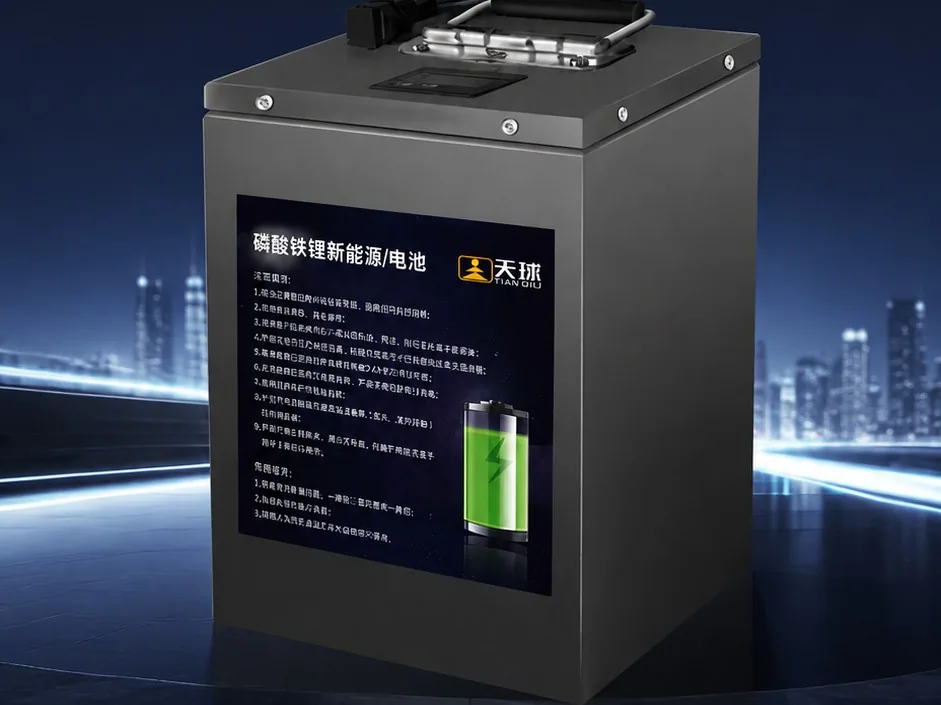
Why the pack standard must be unified, and what swapping does to life
In the swap model the pack is a shared asset, not private property, so “standard” is a commercial precondition rather than a technical preference: mismatch the voltage platform, the connector or the protocol and a pack from one cabinet will not run in the next vehicle, at which point asset rotation stops dead.
- Unified voltage platform: swap platforms are 12S (36V class), 16S (48V / 60V) and 24S (72V, 76.8V nominal). Vehicles in one city or one fleet must sit on the same step; packs do not cross steps.
- Unified connector and release geometry: an IP67 high-current aviation connector with keyed guidance, rated above 10,000 insertions without arcing. Slide, handle and side-draw releases fit different bays, and mixing them means a pack that will not enter the cabinet or frets on rough roads.
- Unified communication protocol: the cabinet has to recognise the pack over CAN 2.0B / RS485 / UART with a mapped register table, otherwise the pack is refused or charged at the lowest conservative rate — the real root cause of the complaint that a pack goes in but charges very slowly.
- What it does to pack life: swap packs cycle shallowly (daily use sits in the middle state-of-charge band), which is gentler than the lead-acid habit of discharging to 50–60% every day. Life is still accounted in cycles — 3,500 cycles at 1C to ≥80% SOH, with a 5-year / 3,500-cycle warranty. Against station turnover: one turnaround a day is about 9 years, two a day about 5 years.
- What swapping costs the pack: high-frequency mating and repeated handling genuinely test the enclosure, and it is absorbed by the >10,000-insertion connector, 8–12mm bay tolerance and high-damping EVA foam — precisely where a swap pack diverges from an ordinary traction pack.
- Low daily mileage: below 60–80 km a day, where one charge covers the shift, the fee does not buy back enough convenience and self-charging is cheaper
- Not enough city density: if stations are not on the rider’s natural route, the detour time cancels the whole benefit of a 30-second swap
- Too few vehicles at one point: with a thin fleet, daily swaps stay low, the pack count and cabinet cost cannot be spread, and no competitive fee is possible
- No local service network: swapping is an operating business — if spares, protocol commissioning and local replacement cannot respond, do not open a station
Questions about how the swap model works
In a swap model, what does the rider actually buy?expand_more
Monthly subscription or pay-per-swap — which is cheaper?expand_more
Does swapping every day shorten pack life?expand_more
Why can the pack standard not differ between operators?expand_more
What does a swappable battery scooter cost, and what does a swap pack cost?expand_more
We already run a fleet — can we rent packs without a franchise?expand_more
Scope the swap model against your fleet and vehicles
Send the target vehicle and bay dimensions, the pack capacity class, the daily exchange count and the destination port. We will recommend the platform and capacity, model pack FOB / CIF pricing and a pack quantity, and attach the shipping document list — with the partnership model and battery ownership negotiable alongside.
- Swap selection advice and pricing within 24 hours on working days
- A sample swap pack plus the protocol whitepaper can prove the cabinet handshake before a container order
- Fleet size, station locations and protocol data are strictly confidential; NDA available first
Specification notice:The figures above are engineering reference values. They may differ with production batch, configuration and actual duty cycle, and the percentages for life, efficiency, availability and coverage are engineering estimates and bench references. Contact us for the detailed specification sheet.