
200Ah lithium battery packs:the largest capacity step — and not automatically the best one
200Ah is the largest capacity step on both platforms: 10.24 kWh at 51.2V (16S, the 48V / 60V label) and 15.36 kWh at 76.8V (24S, 72V), with an assembled weight of 72–107 kg. More capacity does mean more range, but it is paid for in weight, bay volume and handling — and those costs cannot simply be designed away by paralleling two smaller packs. This page sets out the two-platform matrix, a heavy-load matching table, and the question we are asked most often: one 200Ah pack, or two 100Ah packs in parallel?
verifiedTypical values at 25°C. Nominal energy is computed as each platform’s nominal voltage × 200Ah; the signed specification sheet that ships with your container governs.
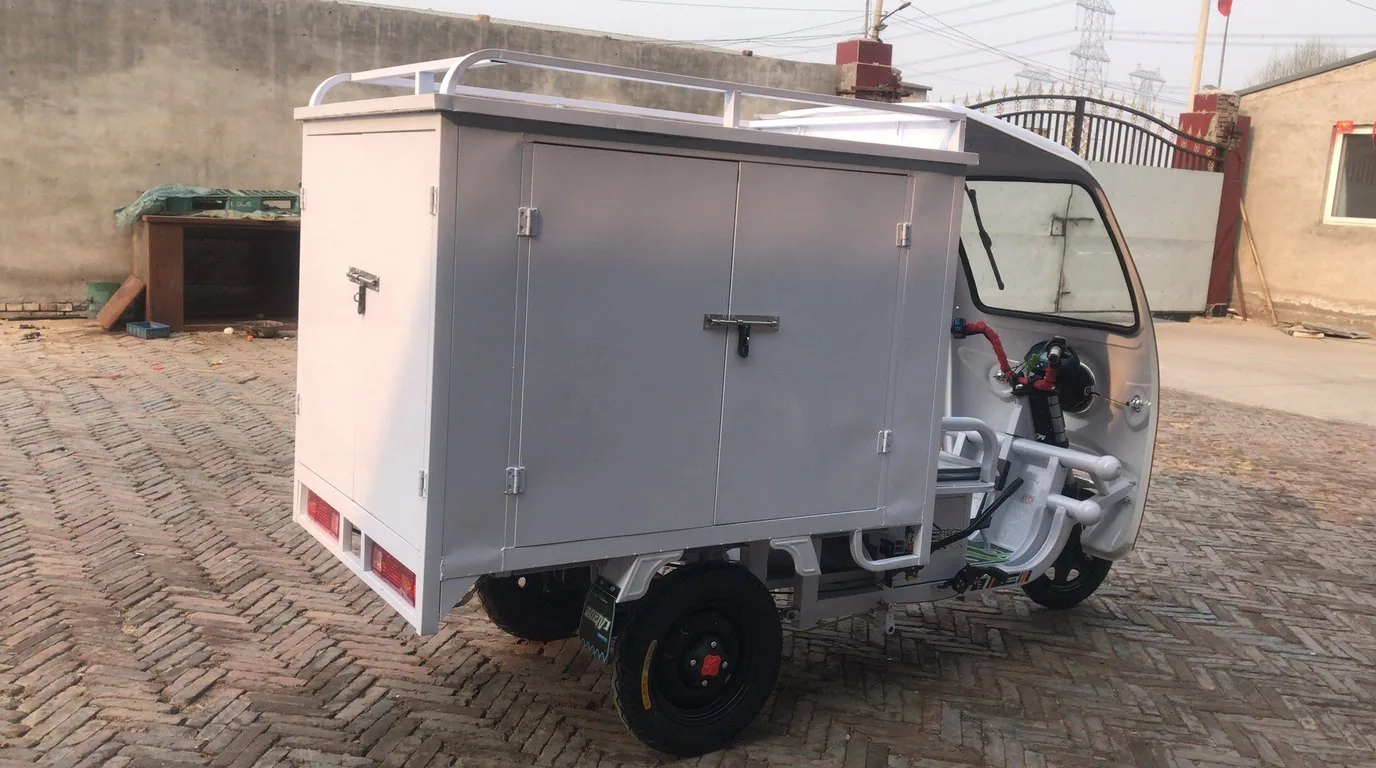
What the 200Ah capacity class delivers
Specification notice:The figures above are engineering reference values. They may differ with production batch, configuration and actual duty cycle, and the percentages for life, efficiency, availability and coverage are engineering estimates and bench references. Contact us for the detailed specification sheet.
200Ah across two voltage platforms: 10.24 kWh to 15.36 kWh
Energy is computed as each platform’s nominal voltage × 200Ah; weight is the assembled pack including steel enclosure, BMS and harness at roughly 7 kg/kWh (±5%). The order of work is: work out required Ah first, then check whether the bay will take the pack.
| Voltage platform (string) | Nominal voltage basis | Energy at 200Ah | Pack weight (typical) | Duty cycle | Target range | Pack model |
|---|---|---|---|---|---|---|
| 48V / 60V platform (16S LiFePO4, shared basis) | 51.2V | ≈ 10.24 kWh | ≈ 72 kg | Very long passenger shifts and standby shuttles, long-distance passenger duty and site shuttles from a 5×12V lead-acid bay, needs a large bay | 150 – 170 km | VT-48200-MAX (4×12V bay) / 5×12V bay built to the 60V platform (standard steps to 140Ah) |
| 72V platform (24S LiFePO4) | 76.8V | ≈ 15.36 kWh | ≈ 107 kg | Maximum payload or twin-pack long shifts at 800–1000 kg | 100 – 120 km | VT-72200-CARGO-MAX |
Merging 48V and 60V into one row is not an omission: both are replacement-class labels rather than string counts, so the same 16S pack is called 48V in a 4×12V lead-acid frame and 60V in a 5×12V frame (see the 60V platform page). Energy follows voltage × Ah, not the size of the number: the same 200Ah is 10.24 kWh at 51.2V and 15.36 kWh at 76.8V. Within one platform, moving from 150Ah to 200Ah adds just 50Ah — 2.56 kWh (about +18 kg) at 51.2V and 3.84 kWh (about +27 kg) at 76.8V.
Specification notice:The figures above are engineering reference values. They may differ with production batch, configuration and actual duty cycle, and the percentages for life, efficiency, availability and coverage are engineering estimates and bench references. Contact us for the detailed specification sheet.
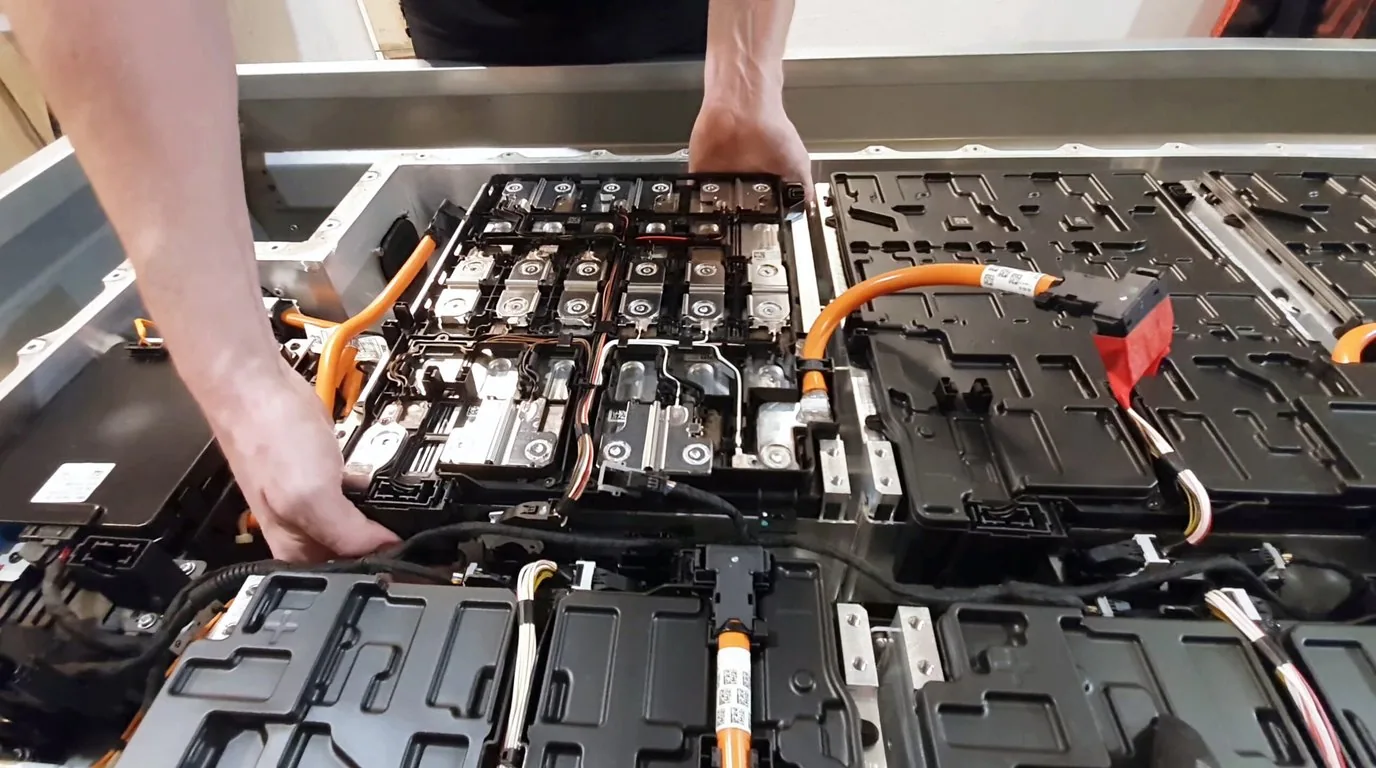
What “bigger is better” actually costs: weight, volume, handling
Capacity is not free. A 200Ah pack weighs about 72 kg at 51.2V and about 107 kg at 76.8V, and at roughly 7 kg/kWh assembled density the volume grows with the weight. The extra capacity only pays when your busiest day genuinely needs it; if daily distance only consumes 60–70% of the pack, the extra 20–50 kg sits permanently in the payload budget, raises pull-away and hill-climb current, and demands a larger battery bay.
- Weight: a 76.8V 200Ah pack is about 107 kg — roughly 26 kg more than a 150Ah (about 81 kg) and about 53 kg more than a 100Ah (about 54 kg) on the same platform. On the operating side that weight comes straight out of payload.
- Volume and bay: a 200Ah pack needs roughly twice the bay volume of a 100Ah, plus handle, cable and damper clearance. If the bay will not take it, the right answer is a smaller capacity or a different voltage platform, not force.
- Handling and service: a single 107 kg pack cannot be lifted by hand, so installation, service and cabinet loading all need a hoist or dedicated tooling. The 72 kg 51.2V pack still needs two people or a trolley.
- The over-sizing penalty: extra weight raises pull-away and climbing current and real consumption rises with it. Fitting 200Ah to light-duty work means carrying dead load every day.
- Measure the bay: length × width × height, including handle, cable entry and damper clearance, and confirm the lid still closes
- Check floor load rating and mounting points: the pack weighs 72–107 kg, so brackets and dampers must be designed for loaded shock loads
- Confirm the removal and service route: a single 107 kg pack needs a hoist or tooling, so check there is working space
- Re-check required Ah as daily distance × consumption ÷ 88% DoD ÷ nominal voltage: if it comes out below 150Ah, 200Ah is oversized
One 200Ah pack, or two 100Ah packs in parallel?
One 200Ah pack (single pack, single BMS)
51.2V basis: 10.24 kWh · about 72 kg- check_circleEnergy and weight10.24 kWh / about 72 kgIdentical totals to two paralleled 100Ah packs
- check_circleBay footprintOne large bay; no parallel harness or transition bracket, so fewer enclosure parts overall
- check_circleBMS and balancingOne BMS and one balance set, so cell consistency and SOC estimation manage a single group
- check_circleProtection and wiringOne main circuit and one fuse, with fewer connection and diagnostic points
- check_circleHandling and serviceSingle pack of 72 kg (51.2V) or 107 kg (76.8V); installation and service need a hoist or tooling
- check_circleRedundancyNone: if the pack fails, the vehicle stops
Two 100Ah packs in parallel (two packs, two BMS)
51.2V basis: 10.24 kWh combined · about 72 kg combined- cancelEnergy and weight10.24 kWh / about 72 kg combinedEnergy and weight match one 200Ah pack — the difference is structure, not mass
- cancelBay footprintTwo enclosures plus a parallel harness and brackets: slightly more volume and more complex routing
- cancelBMS and balancingTwo BMS units balancing separately; packs must be at a close SOC before paralleling or connecting them creates a circulating current
- cancelProtection and wiringEach pack needs its own fuse, and the parallel harness must be equal length and resistance to avoid permanent current bias
- cancelHandling and serviceSingle packs of 36 kg (51.2V) or 54 kg (76.8V): two-person lifts, and one pack can go for service alone
- cancelRedundancy and riskOne failure still leaves half the range, but the remaining pack then carries the full load current — verify the current-limit margin first
Heavy-load matching table: what 200Ah really covers
Usable energy = nominal energy × 88% DoD; usable range = usable energy ÷ real consumption. This table shows whether 200Ah is just right, comfortable or oversized — rather than reading only the largest range figure.
| Heavy-load duty cycle | Voltage platform | Real consumption | Usable range at 200Ah | Verdict |
|---|---|---|---|---|
| Heavy cargo tricycle (800–1000 kg payload, long gradients) | 72V (76.8V) | 95 – 125 Wh/km | About 13.5 kWh usable → about 108 – 142 km | Calibrated to 100–120 km; covers a full day |
| Passenger rickshaw, 4–5 passengers, frequent stops | 48V / 51.2V | 55 – 68 Wh/km | About 9.0 kWh usable → about 132 – 164 km | Calibrated to 150–170 km; a sound choice |
| African Keke Napep passenger duty (45°C, loaded) | 60V / 72V | 65 – 80 Wh/km | About 13.5 kWh usable → about 169 – 208 km | Far beyond a single shift: clearly oversized |
| Long-haul passenger / site shuttle (150 km plus per day) | 48V / 51.2V | 50 – 65 Wh/km | About 9.0 kWh usable → about 139 – 180 km | Close to the upper limit; a sound choice |
| Maximum payload / double-shift continuous work (two cycles a day) | 72V (76.8V) | 95 – 125 Wh/km | About 13.5 kWh usable → about 108 – 142 km per charge | Sound; for double shifts use 200Ah plus a standby pack rather than more capacity |
Usable energy is nominal energy × 88% DoD, and ranges are converted at full load, 35°C ambient and paved to lightly unpaved surfaces. Steep gradients, overload and unpaved roads push real consumption a further 35–50% higher — in that case step up one capacity class or move to a higher voltage platform.
Specification notice:The figures above are engineering reference values. They may differ with production batch, configuration and actual duty cycle, and the percentages for life, efficiency, availability and coverage are engineering estimates and bench references. Contact us for the detailed specification sheet.
200Ah lithium battery questions we get every week
Is a 200Ah battery simply better than a smaller one?expand_more
How much does a 200Ah lithium battery weigh?expand_more
Will a 200Ah pack fit my battery bay?expand_more
What are the risks of adding capacity by paralleling packs?expand_more
What vehicles suit a 200Ah pack?expand_more
How much further does 200Ah go than 150Ah?expand_more
How long does a 200Ah pack take to charge?expand_more
What does a 200Ah lithium battery cost?expand_more
Once 200Ah is settled, three things to check next
The 150Ah capacity class
The mainstay for heavy tricycles and long passenger shifts, with the 160 kg saving against a 6×12V 150Ah lead-acid set.
See the 150Ah classarrow_forwardThe 100Ah capacity class
The other half of the parallel decision: the cross-voltage matrix and a reverse-check table by distance and payload.
See the 100Ah classarrow_forwardThe 48V / 51.2V platform
Bay, floor loading and range calibration for 200Ah at 16S, including the 4×12V lead-acid drop-in basis.
See the 48V platformarrow_forwardGet a firm 200Ah quotation against your duty cycle
Send the destination port, payload, daily distance and motor rating. We will size the 200Ah pack on your target voltage platform and return FOB / CIF pricing, container allocation and lead time, with the shipping document list attached.
- Selection advice and pricing within 24 hours on working days
- Sample packs available to prove the duty cycle (3–5 day tooling), before committing to a container (three-wheeler motive packs: 20GP about 180 sets, 40HQ 320+)
- Vehicle parameters and market-access documents are strictly confidential; NDA available first
Specification notice:The figures above are engineering reference values. They may differ with production batch, configuration and actual duty cycle, and the percentages for life, efficiency, availability and coverage are engineering estimates and bench references. Contact us for the detailed specification sheet.