
Battery spec sheet:see every model on one page, then request the sheet you need
The most irritating part of hunting for a spec sheet is paging across three or four platforms without ever assembling one comparable table. This page merges three voltage platforms and 20 models — voltage, capacity, nominal energy, continuous discharge, assembled weight and matching duty cycle — into a single table, with figures identical to the individual platform pages. Below it: what a container specification sheet contains, how to request it, and which lines to check first to spot an inflated one.
verifiedEvery figure here is taken from the three published platform pages and the test whitepapers; test and nominal values are labelled with their test conditions and never mixed.
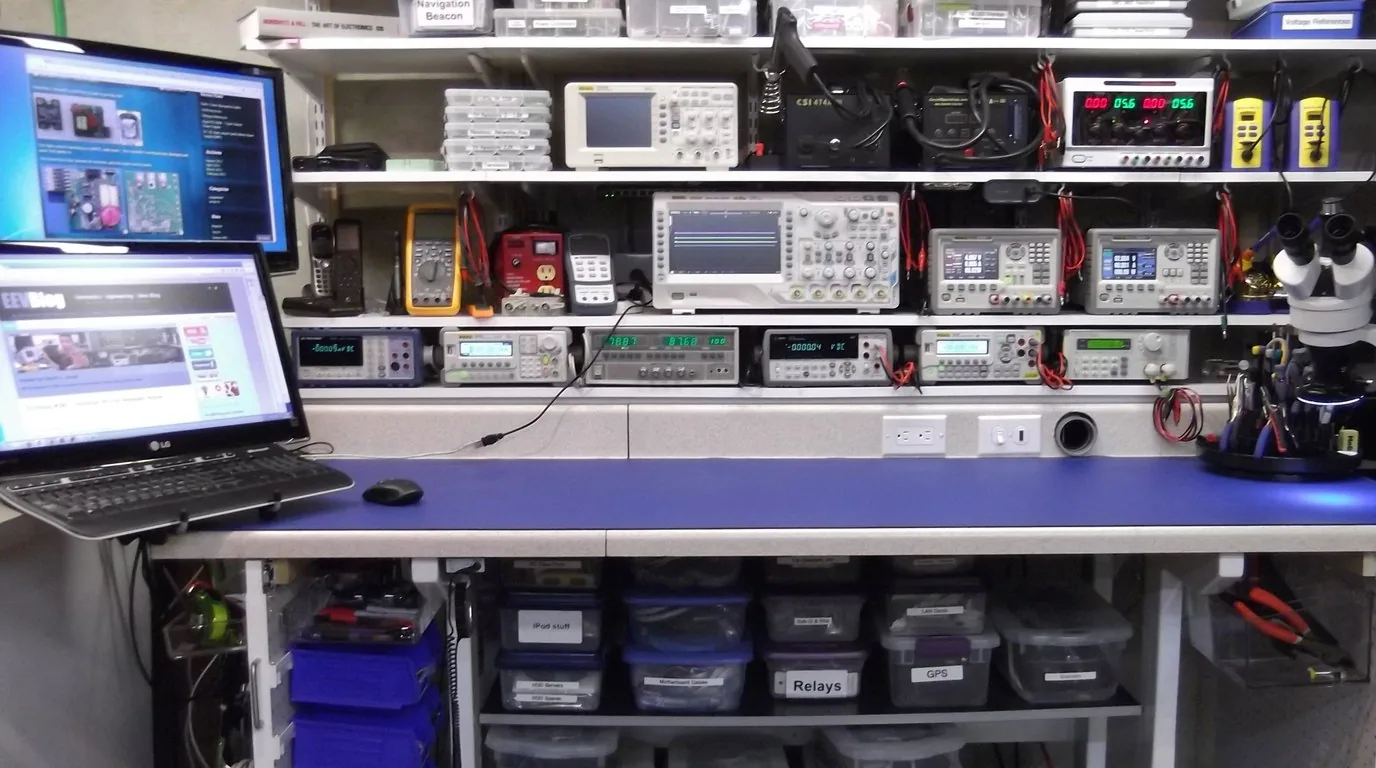
What this index covers
Specification notice:The figures above are engineering reference values. They may differ with production batch, configuration and actual duty cycle, and the percentages for life, efficiency, availability and coverage are engineering estimates and bench references. Contact us for the detailed specification sheet.
Full model matrix: 48V / 60V / 72V by capacity step
Nominal energy is computed at each platform’s nominal voltage (51.2V for the 48V and 60V platforms, 76.8V for 72V). Weight is the assembled pack including steel enclosure, BMS and harness, at roughly 7 kg/kWh (±5%). Choose by daily range and payload — not by the largest number in the table.
| Voltage platform | Capacity | Nominal energy | Continuous discharge | Pack weight (typical) | Matching duty cycle | Pack model |
|---|---|---|---|---|---|---|
| 48V platform (16S · 51.2V) | 51.2V 100Ah | ≈ 5.12 kWh | 100A rated / 200A peak | ≈ 36 kg | Passenger rickshaw taxi (India / Bangladesh), 4–5 passengers | VT-48100-AIS156-MAX |
| 48V platform (16S · 51.2V) | 51.2V 105Ah | ≈ 5.38 kWh | 100A rated / 200A peak | ≈ 38 kg | Resort golf carts and site shuttles (long standby) | VT-48105-GC-CANBUS |
| 48V platform (16S · 51.2V) | 51.2V 120Ah | ≈ 6.14 kWh | 100A rated / 200A peak | ≈ 43 kg | Standard passenger shifts, light last-mile delivery | VT-48120-PASSENGER |
| 48V platform (16S · 51.2V) | 51.2V 150Ah | ≈ 7.68 kWh | 100A rated / 200A peak | ≈ 54 kg | Long passenger shifts, loaded conversions on flat routes | VT-48150-LONG-RANGE |
| 48V platform (16S · 51.2V) | 51.2V 180Ah | ≈ 9.22 kWh | 100A rated / 200A peak | ≈ 65 kg | Long-haul passenger duty above 140 km per day | VT-48180-LONG-HAUL |
| 48V platform (16S · 51.2V) | 51.2V 200Ah | ≈ 10.24 kWh | 100A rated / 200A peak | ≈ 72 kg | Very long shifts or standby shuttles, needs a large bay | VT-48200-MAX |
| 60V platform (16S · 58.4V full charge) | 60V 50Ah | ≈ 2.56 kWh | Sized to configuration · 3C peak for short climbs | ≈ 18 kg | Swap two-wheelers and short shuttles (one-person lift) | VT-6050-LFP-SWAP |
| 60V platform (16S · 58.4V full charge) | 60V 60Ah | ≈ 3.07 kWh | Sized to configuration · 3C peak for short climbs | ≈ 21 kg | High-frequency courier and food delivery, up to 80 km/day | VT-6060-LFP-DELIVERY |
| 60V platform (16S · 58.4V full charge) | 60V 80Ah | ≈ 4.10 kWh | Sized to configuration · 3C peak for short climbs | ≈ 29 kg | Long-distance two-wheeler delivery, double-shift short routes | VT-6080-TWO-WHEEL-HD |
| 60V platform (16S · 58.4V full charge) | 60V 105Ah | ≈ 5.38 kWh | Sized to configuration · 3C peak for short climbs | ≈ 38 kg | Passenger rickshaws such as the Bajaj RE Compact, 3.5kW motor | VT-6105-RE-COMPACT |
| 60V platform (16S · 58.4V full charge) | 60V 120Ah | ≈ 6.14 kWh | Sized to configuration · 3C peak for short climbs | ≈ 43 kg | Standard passenger duty, West African Keke Napep heavy stop-start | VT-6120-PASSENGER |
| 60V platform (16S · 58.4V full charge) | 60V 140Ah | ≈ 7.17 kWh | Sized to configuration · 3C peak for short climbs | ≈ 50 kg | Tropical long-haul passenger duty, light agricultural cargo | VT-6140-KEKE-HD |
| 72V platform (24S · 76.8V) | 72V 40Ah | ≈ 3.07 kWh | 150 – 250A | ≈ 22 kg | High-speed e-moto commuting, short shuttles | VT-7240-EMOTO |
| 72V platform (24S · 76.8V) | 72V 50Ah | ≈ 3.84 kWh | 150 – 250A | ≈ 27 kg | Delivery riders, up to 80 km/day | VT-7250-DELIVERY |
| 72V platform (24S · 76.8V) | 72V 60Ah | ≈ 4.61 kWh | 150 – 250A | ≈ 32 kg | Swap two-wheelers, double-shift short routes | VT-7260-SWAP |
| 72V platform (24S · 76.8V) | 72V 100Ah | ≈ 7.68 kWh | 150 – 250A | ≈ 54 kg | Passenger rickshaws, moderate payload | VT-72100-PASSENGER |
| 72V platform (24S · 76.8V) | 72V 130Ah | ≈ 9.98 kWh | 150 – 250A | ≈ 70 kg | Tropical long-haul passenger duty | VT-72130-TROPICAL-HD |
| 72V platform (24S · 76.8V) | 72V 150Ah | ≈ 11.52 kWh | 150 – 250A | ≈ 81 kg | Heavy cargo, frequent gradients | VT-72150-CARGO |
| 72V platform (24S · 76.8V) | 72V 180Ah | ≈ 13.82 kWh | 150 – 250A | ≈ 97 kg | Cargo tricycles at 800–1000 kg payload | VT-72180-CARGO-PRO |
| 72V platform (24S · 76.8V) | 72V 200Ah | ≈ 15.36 kWh | 150 – 250A | ≈ 107 kg | Maximum payload or twin-pack long shifts | VT-72200-CARGO-MAX |
The discharge column carries each platform’s published figure: 100A rated / 200A peak on the 48V platform and 150–250A on 72V; the 60V platform is sized to model, harness and controller configuration with 3C peak for short climbs, confirmed on the container specification sheet. Range is converted from typical averages at typical loaded duty and 35°C ambient: 28–35 Wh/km for two-wheeler delivery, 55–68 Wh/km for passenger rickshaws, 65–80 Wh/km for Keke duty, 95–125 Wh/km for heavy cargo and 50–65 Wh/km for carts and shuttles.
Specification notice:The figures above are engineering reference values. They may differ with production batch, configuration and actual duty cycle, and the percentages for life, efficiency, availability and coverage are engineering estimates and bench references. Contact us for the detailed specification sheet.

What a container specification sheet carries: six groups, none optional
A specification sheet is not a capacity figure — it is a verifiable technical undertaking. Ours is organised into the six groups below, each of which maps to a check you can run at the factory or on arrival.
- Cells: grade and source (Tier-1 A-grade, with second-life and salvaged material refused), string count (16S / 24S) and matching basis (factory matching tier: ΔV ≤ 3mV, ΔIR ≤ 0.5 mΩ. Alongside it sit the assembled-pack matching tier at 15mV and the in-service fault-warning tier at 30mV — three different scopes that must not be quoted interchangeably).
- BMS: continuous and peak discharge current, protection thresholds (overcharge, over-discharge, over-current, short circuit and temperature), balancing capability, communication interfaces (CAN 2.0B / RS485 / UART) and the protocol material supplied.
- Dimensions and weight: assembled length, width and height, pack weight including steel enclosure and harness (about 7 kg/kWh on this platform), mounting holes and connector model.
- Electrical figures: nominal voltage, full-charge voltage, discharge cut-off, nominal energy (kWh), recommended DoD and available charge-current steps.
- Certification and documents: UN38.3, MSDS, dangerous-goods packing certificate (Class 9) and destination access files, itemised on the container document list.
- Test conditions: the conditions behind capacity and cycle data (temperature, rate, cut-off), plus the EOL end-of-line basis (2,500V DC dielectric withstand, insulation resistance ≥500MΩ).
- 0.2C / 1C charge-discharge curves, to check the capacity and rate basis
- Batch capacity report, to check consistency across the batch rather than one sample
- A sample EOL sheet, covering the withstand curve, over-current trip response and total internal resistance
- UN38.3 and packing certificate samples, to compare batch, exit port and nameplate characters
Getting the full sheet: four steps, back within 24 hours
A sheet is issued per model, so the first step is not choosing a table row but stating the duty cycle — change the duty and the same capacity step matches a different model.
- 01assignment
Send the duty cycle and destination port
Send destination port, payload, daily distance and motor rating, together with the vehicle type (two-wheeler, passenger tricycle, cargo tricycle or shuttle) and whether the pack is swappable. These four inputs fix the voltage platform and capacity step — and they are the same four that drive the quotation later.
The four inputs that decide the model - 02rule
Model and capacity step matched
We shortlist the candidate models on the matrix (with one or two alternative steps) and explain the reasoning: daily distance plus about 20% margin, rather than the largest capacity available. Where relevant we also confirm whether a swap version or a larger battery bay is feasible.
Within 24 hours on working days - 03download
Specification sheet issued as PDF
A bilingual specification sheet PDF is issued for the matched model, covering the six groups above (cells, BMS, dimensions and weight, electrical figures, certification and documents, test conditions). A stamped version can be issued for tenders or clearance declarations, and additional fields — a range study against your payload, for example — are written into the version.
Bilingual · stamped version available - 04receipt_long
Container document list attached
The container document list travels with the quotation: UN38.3, MSDS, the dangerous-goods packing certificate (Class 9) and the destination access files configured to your port. Model, batch and exit port on that list match the physical goods and can be checked line by line — mismatched documents cause more trouble than a capacity one step lower.
Matched to the physical batch
The same-looking spec sheet: how to spot an inflated one
An inflated rating rarely sits in the most prominent line; it hides in the lines that are missing. The two columns below follow the basis set out in the factory audit and QC whitepaper.
What a low-cost spec sheet says
Looks the same; the verifiable lines are missing- cancelCapacityOnly “xx Ah”, with no test rate and no cut-off voltage — a 0.2C slow discharge passed off as the 1C rating
- cancelCells“A-grade” with no grade, source, original QR coding or batch report
- cancelWeightDoes not match the claimed energyAgainst the ≈7 kg/kWh basis on this platform, a mismatched pack weight is the first thing an inflated rating exposes
- cancelEnd-of-line dataNo matching range record (ΔV / ΔIR) and no EOL sheet — only a power-on note
- cancelDocumentsUN38.3 and the packing certificate arrive as passed-on scans whose batch, exit port and nameplate characters disagree
What a verifiable spec sheet says
Every line maps to a check- check_circleCapacity and energyTest conditions statedCapacity, nominal energy and test rate are given together; energy follows the platform nominal (51.2V for 48V / 60V, 76.8V for 72V)
- check_circleCells and matchingFactory matching tier ΔV ≤ 3mV / ΔIR ≤ 0.5 mΩTier-1 A-grade with original QR coding verifiable on the spot; second-life and salvaged material explicitly refused. The 15mV assembled-pack tier and the 30mV in-service fault-warning tier are different scopes
- check_circleWeight≈7 kg/kWh (±5%)Pack weight and nominal energy cross-check each other and must be self-consistent
- check_circleEnd-of-line dataEOL: 2500V DC / ≥500MΩA dedicated step curve per pack covering withstand, over-current trip response and total internal resistance
- check_circleDocumentsUN38.3 / MSDS / packing certificateBatch, exit port and nameplate characters agree, with original scans available for third-party verification
Spec sheet questions
How do we get the full specification sheet?expand_more
Is there an English version?expand_more
Are the figures typical or nominal?expand_more
Can you issue a sheet to our own requirements?expand_more
Will the parameters match the goods delivered?expand_more
Are certification attachments included?expand_more
How does the spec sheet relate to the quotation?expand_more
Can you provide the EOL sheet and the cycle-life report?expand_more
Once you have shortlisted a model, three pages to follow
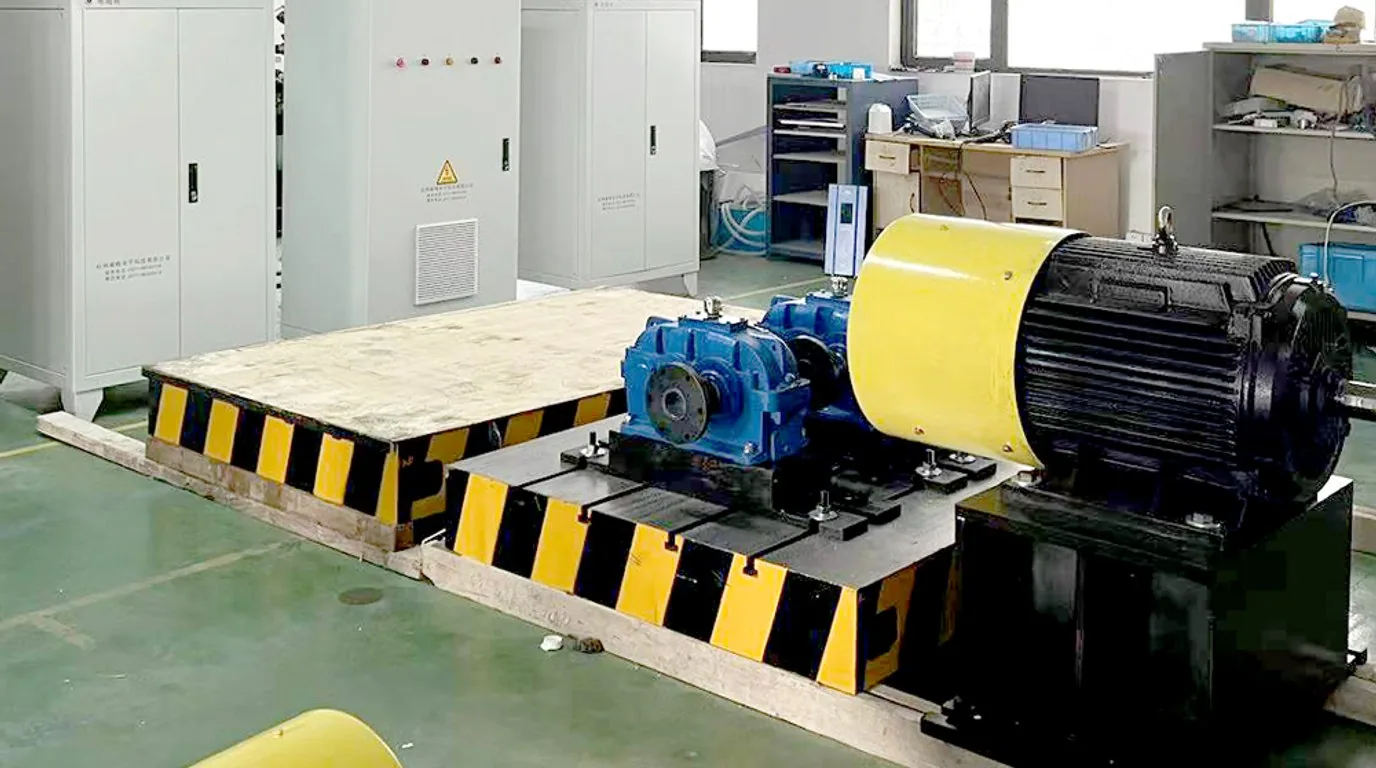
The full 72V matrix
The 40Ah–200Ah capacity matrix, vehicle fit limits and the 6×12V lead-acid comparison on one page.
See the 72V platformarrow_forward
Factory audit and QC whitepaper
Seven QC metrics, a five-point on-site checklist and the EOL / packing-certificate verification method — usable directly as your audit brief.
Open the audit whitepaperarrow_forwardRequest a sheet and pricing
Send destination port, payload, daily distance and motor rating; we return the matched model, the spec sheet and FOB / CIF pricing within 24 hours.
Submit an enquiryarrow_forwardRequest the spec sheet PDF matched to your duty cycle
Send the destination port, payload, daily distance and motor rating. We will return the matched model, a bilingual specification sheet PDF, the container document list and FOB / CIF pricing.
- Selection advice, spec sheet and pricing within 24 hours on working days
- Engineering sample packs prove the duty cycle before you commit to a container (three-wheeler packs: 20GP ≈180 sets, 40HQ 320+)
- Sample EOL sheets, 0.2C / 1C curves and batch capacity reports available on request
Specification notice:The figures above are engineering reference values. They may differ with production batch, configuration and actual duty cycle, and the percentages for life, efficiency, availability and coverage are engineering estimates and bench references. Contact us for the detailed specification sheet.