
Keke Napep battery packs:60V / 72V LiFePO4 for passenger tricycles in Lagos and Abuja
A Keke Napep (also called tuk-tuk or auto-rickshaw) works 8–12 hours a day, covers 100–150 km of passenger duty with three passengers plus the driver, and usually tops up once mid-shift. This page gives the pack selection table by daily distance, the four-point lead-acid comparison, the clearance route into Nigeria, and straight answers to the questions buyers ask first: will one pack last a day, what does it cost, and how long until it pays back.
verifiedRange figures are typical averages on passenger duty with three passengers and the driver; gradient, road surface, payload and riding style all move the result. The specification sheet shipped with your container governs.
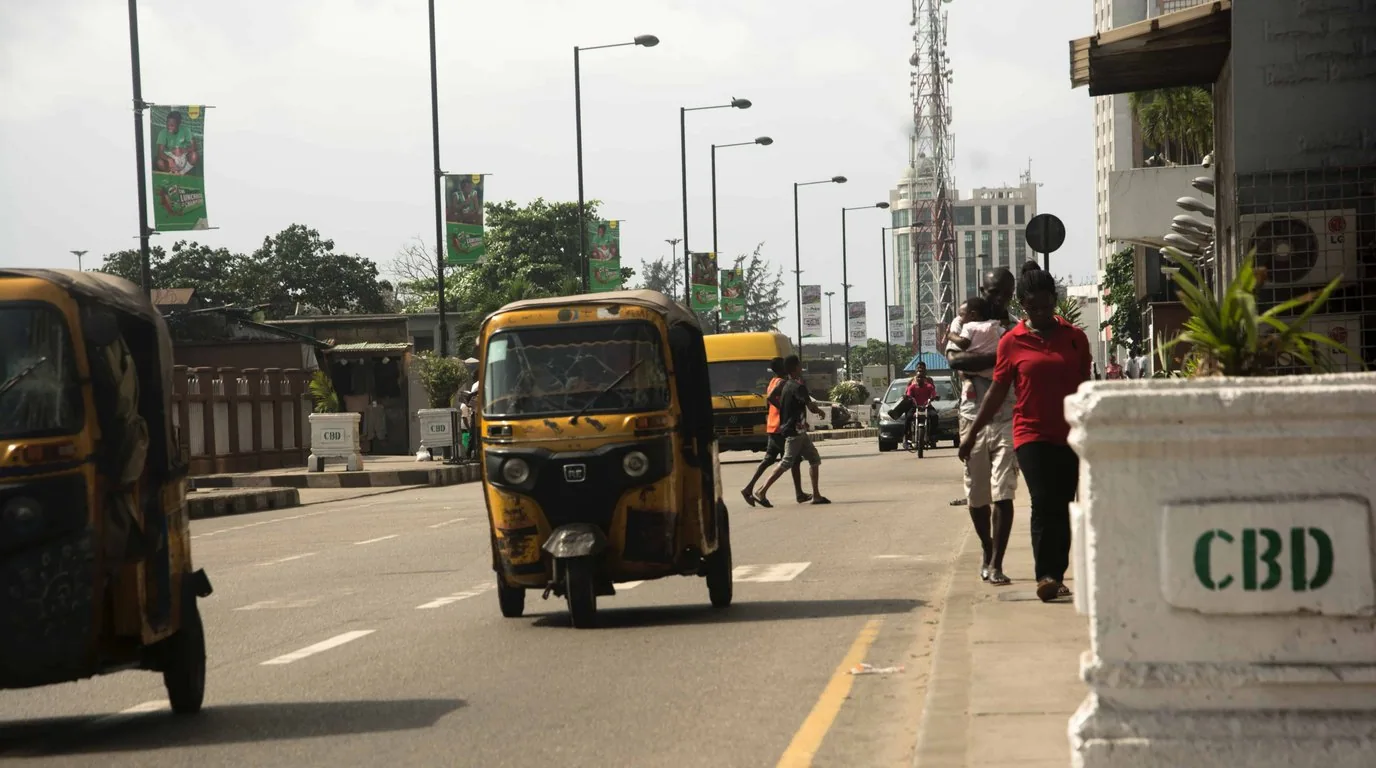
One day of Keke Napep duty: 8–12 hours, 100–150 km
A full-time Lagos driver can stretch to 14 hours in the worst congestion. Abuja has open roads, so daily distance is longer but stops are fewer. The two cities ask different things of a pack, and both land inside the same daily-distance band.
Specification notice:The figures above are engineering reference values. They may differ with production batch, configuration and actual duty cycle, and the percentages for life, efficiency, availability and coverage are engineering estimates and bench references. Contact us for the detailed specification sheet.
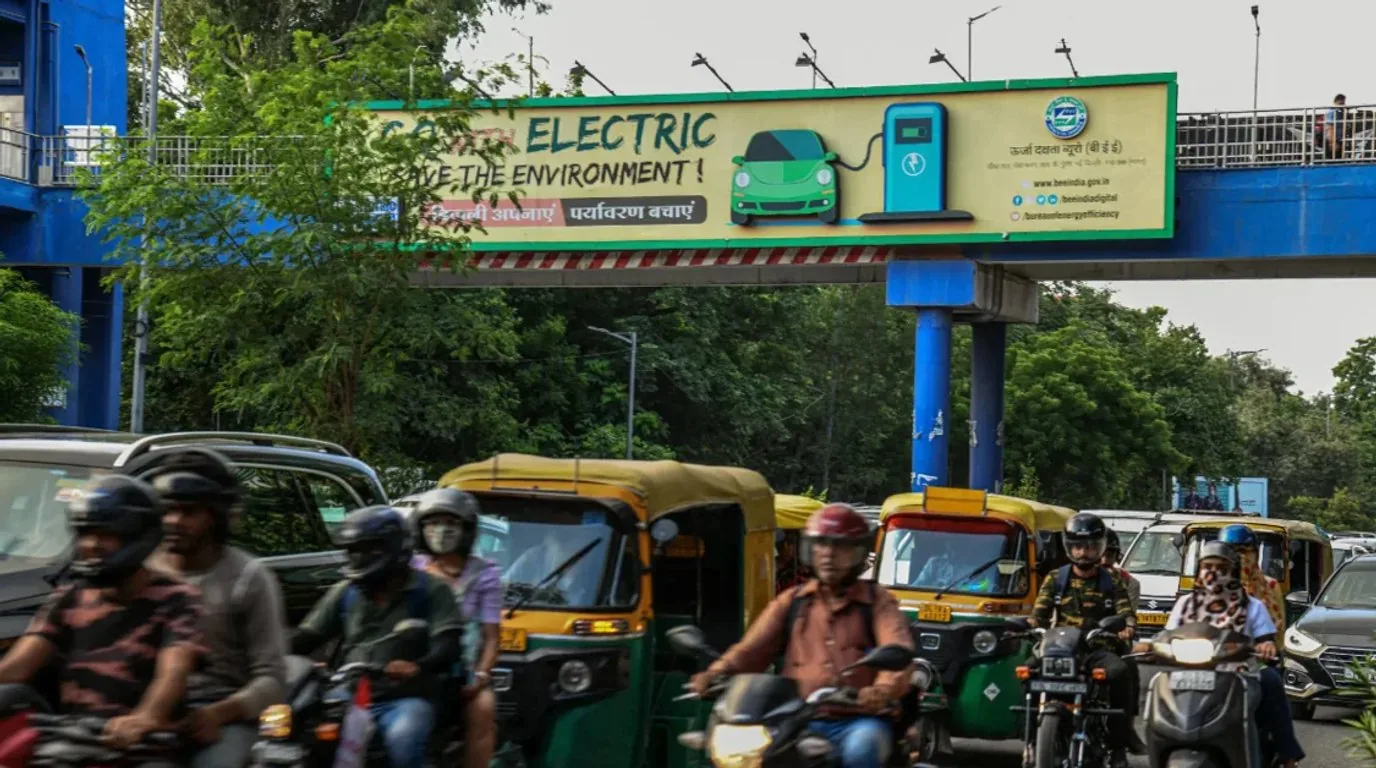
Lagos, Abuja, Makurdi: three streets, three pack selections
Within one country the duty cycles differ sharply. Choosing voltage and capacity by city and route is far more practical than choosing by “bigger is safer” — oversize the pack and the extra weight comes straight out of your paying passengers.
- Lagos · extreme congestion and humid heat: up to 14 hours of operation a day, nine stops and starts per kilometre, ambient 36–41°C and three to four adult passengers. The BMS must absorb a 180A transient inrush without a false cut-out — this is the heavy start-stop 60V 120Ah configuration.
- Abuja · open fast roads and long cruising: fewer stops and higher cruising speeds over a longer daily distance, which suits the high-speed range 72V 100Ah build.
- Makurdi / Kano · dirt roads and dust: a high proportion of unpaved surface and heavy airborne dust, requiring the armoured anti-vibration 60V 100Ah build with a higher enclosure sealing grade.
- What all three share: mid-shift charging is normal — one top-up at noon from the grid or a generator, then a full charge back at base overnight. The pack has to live with that every day, not perform once on a bench.
Pack selection by daily distance: 100 / 120 / 150 km
Standard duty is set at three passengers plus the driver, mostly paved surfaces and frequent stops. Range figures are typical averages, not label claims — size on your real daily distance plus 20% margin.
| Daily distance | Recommended voltage / capacity | Nominal energy | Pack model | Typical range | Charging plan | Vehicle match |
|---|---|---|---|---|---|---|
| 100 km / day | 60V 100Ah | 6.0 kWh | VT-60100-TV | 90 – 105 km | One charge covers the shift; full charge overnight | TVS King Deluxe / Duramax class passenger tricycle |
| 120 km / day | 60V 120Ah | 7.2 kWh | VT-60120-BJ | 105 – 120 km | Full charge overnight plus a 30–60 minute midday top-up | Bajaj RE Compact 4S class passenger tricycle |
| 150 km / day | 72V 130Ah | 9.98 kWh | VT-72130-TROPICAL-HD | 110 – 130 km | One mid-route top-up, timed away from peak tariff hours | Piaggio Ape City / Chinese conversion chassis class |
Consumption reference for African passenger tricycles: 65–80 Wh/km on typical duty (rough surfaces, 45°C heat, high-speed cruising). The reason the 150 km step needs a midday top-up is the trade-off between capacity and vehicle weight — a bigger pack takes its weight straight out of passenger capacity, which is why we do not publish a one-size-fits-all sizing table.
Specification notice:The figures above are engineering reference values. They may differ with production batch, configuration and actual duty cycle, and the percentages for life, efficiency, availability and coverage are engineering estimates and bench references. Contact us for the detailed specification sheet.
Factory lead-acid vs LiFePO4 on a Keke: four direct comparisons
The comparison is drawn at the same nominal capacity, 72V 150Ah (factory lead-acid 6×12V 150Ah against a 24S LiFePO4 pack). The 60V / 72V 100–130Ah packs commonly used on passenger Kekes are lighter still.
Factory lead-acid 6×12V 150Ah
About 72V 150Ah nominal- cancelAssembled weight≈ 240 kgSix 12V blocks stacked — weight taken directly out of paying passenger capacity
- cancelCharging per dayA midday top-up is mandatory on heavy duty and twice on some routes; deep discharge also speeds up wear
- cancelCycle life300 – 500 cyclesOften under 300 under deep discharge
- cancelPaybackThere is no crossover: continuous replacement and repair spend, getting more expensive the longer you run
72V 150Ah LiFePO4
Same nominal capacity · 24S LFP · Tier-1 A-grade cells- check_circleAssembled weight≈ 81 kgAbout 160 kg lighter than lead-acid, convertible straight into passengers or range
- check_circleCharging per dayOne pack covers the dayOne charge per shift at 100 km; one midday top-up at 150 km
- check_circleCycle life3,500 cycles1C charge/discharge to ≥80% SOH, 5-year / 3,500-cycle warranty
- check_circlePayback6 – 8 monthsModelled against local electricity price and daily distance, or the petrol-versus-electricity gap
Capacity steps and how pricing is worked out (no fixed figures)
We do not publish hard price figures: cell grade, enclosure process, the document set that ships with the container, exchange rates and the destination port all move the final number, and a fixed figure helps no buyer. The table shows the relative relationship between capacity steps; firm pricing is modelled from four parameters.
| Capacity step | Nominal energy | Matched daily distance | Relative price step (not an amount) | Parameters required for a quote |
|---|---|---|---|---|
| 60V 100Ah | 6.0 kWh | 100 km / day | Baseline step | Destination port · payload · daily distance · motor rating |
| 60V 120Ah | 7.2 kWh | 120 km / day | One step above baseline | Destination port · payload · daily distance · motor rating |
| 72V 100Ah | 7.2 kWh | 120 km / day (fast-road cruising) | Higher with series count | Destination port · payload · daily distance · motor rating |
| 72V 130Ah | 9.98 kWh | 150 km / day | Two steps above baseline | Destination port · payload · daily distance · motor rating |
Pricing is modelled from destination port, payload, daily distance and motor rating as an FOB / CIF quotation, with a Form E certificate of origin available; 20GP / 40HQ sea freight ships with UN38.3, MSDS and a dangerous-goods packing certificate (Class 9). The steps above compare capacity against cost — the formal quotation governs every amount.
Specification notice:The figures above are engineering reference values. They may differ with production batch, configuration and actual duty cycle, and the percentages for life, efficiency, availability and coverage are engineering estimates and bench references. Contact us for the detailed specification sheet.
SONCAP / Form M clearance and delivery into Lagos
The Standards Organisation of Nigeria (SON) applies controlled-list scrutiny to imported motive lithium batteries, and incomplete paperwork is paid for in port penalties. These are the four fixed steps on our delivery route.
- 01workspace_premium
Product Certificate (PC)
IEC 62133 and UN 38.3 test reports from a CNAS-accredited laboratory ship with the goods and convert into the SONCAP-recognised Product Certificate (PC).
Complete IEC 62133 / UN38.3 report set - 02description
Form M and a Form E certificate of origin
We support the local buyer in opening the bank electronic Form M to Central Bank of Nigeria (CBN) declaration requirements, and issue a Form E certificate of origin, commercial invoice and packing list that satisfy origin rules.
CBN declaration compliant · Form E available - 03assignment_turned_in
Pre-shipment inspection and the SONCAP Certificate (SC)
Certification is issued under supervision at the Chinese port; cargo releases in 3–5 working days after arrival at Apapa / Tin Can. Both CIF port-to-port and DDP Lagos duty-paid door delivery are available.
Released 3–5 working days after arrival - 04warehouse
Local spares and an after-sales loop on the ground
A West Africa transit spares warehouse operates in the Ikeja industrial area of Lagos, every container carries a free 2% consumable repair kit, and a local technician can complete a factory-module replacement. The hub network covers Nigeria, Ghana, Benin and Côte d’Ivoire.
Seven directly managed hubs · resident engineers
The seven questions Keke Napep buyers ask first
Will one pack last a Keke Napep a full day?expand_more
What does a Keke Napep battery cost?expand_more
How long until it pays back?expand_more
How heavy is the pack — will I lose a passenger?expand_more
Can it be built as a swappable pack?expand_more
How do we take delivery in Lagos?expand_more
Rainy-season flooding and generator charging — can the pack take it?expand_more
The Nigeria desk, voltage platforms and the cost model
Nigeria market desk
The full SONCAP / Form M clearance workflow, direct container sailings into Apapa and Tin Can, plus the local technical team and Lagos stock warehouse.
Open the Nigeria deskarrow_forward48V platform specifications
The lighter-duty and 51.2V passenger tricycle platform: capacity matrix, discharge capability and bay dimensions for shorter routes.
See the 48V platformarrow_forwardFleet TCO guide
Three-year TCO across lead-acid, second-life and automotive LiFePO4, cost per kilometre and the 6–8 month payback model.
Open the TCO guidearrow_forwardPack cost structure and container tiers
Cells 62%, BMS 14%, structure and compliance 24%, plus the 20GP / 40HQ container tiers and landed CIF cost behind an ex-works quotation.
Open the pricing guidearrow_forwardGet Keke Napep sizing and pricing against your daily route
Send the destination port, daily distance, payload and motor rating. We will model 60V / 72V pack selection, FOB / CIF pricing, container allocation and delivery schedule, with the shipping document list attached.
- Sizing advice and pricing within 24 hours on working days
- Sample packs can prove the duty cycle in Lagos or Abuja before you commit to a container
- Fleet size, routes and market-access documents are strictly confidential; NDA available first
Specification notice:The figures above are engineering reference values. They may differ with production batch, configuration and actual duty cycle, and the percentages for life, efficiency, availability and coverage are engineering estimates and bench references. Contact us for the detailed specification sheet.