
60V lithium battery packs:the general-purpose step for delivery two-wheelers, swap modules and rickshaws
"60V" is a sales label, not a cell count. Our 60V-class pack leaves the factory as 16S LiFePO4: 51.2V nominal, 58.4V full charge, 44.0V cut-off. The 60V label in this market comes from the 5×12V lead-acid set the pack replaces, which is a 60V nominal class. 48V and 60V are two sales labels for the same 16S pack — it is called 48V when it drops into a 4×12V frame and 60V when it drops into a 5×12V frame, and there is no separate high-voltage 60V platform. One caution: 16S charges to only 58.4V, so fitting it into a factory 5×12V lead-acid frame requires the controller low-voltage cut-off to be reflashed (a lead-acid 60V system cuts at about 52.5V), otherwise the gauge dives and usable capacity is locked out early. This page lays out the 16S against the 72V 24S basis, the 50Ah–140Ah capacity matrix, vehicle fit and the lead-acid comparison — so nobody orders on three characters of a label.
verifiedVoltages and capacities are typical values at 25°C. The 60V platform is 16S LiFePO4 throughout; confirm your controller MOSFET rating (≥75V) and whether the low-voltage cut-off needs reflashing before ordering. The signed specification sheet governs.
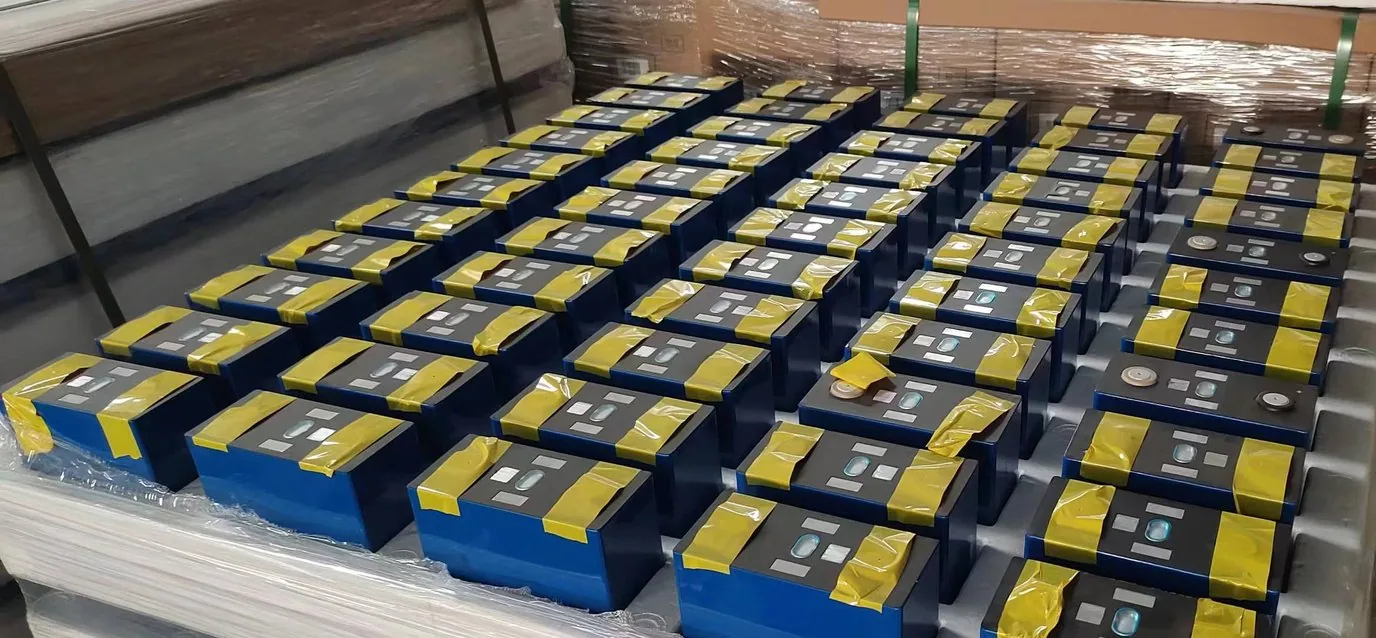
What the 60V platform delivers
Specification notice:The figures above are engineering reference values. They may differ with production batch, configuration and actual duty cycle, and the percentages for life, efficiency, availability and coverage are engineering estimates and bench references. Contact us for the detailed specification sheet.
60V voltage chart: nominal, full charge, cut-off and controller rating
One phrase — 60V lithium battery — maps to exactly one pack, and the comparison that matters is against the 72V (24S) platform. The first selection step is not capacity: it is the string count, and with it the full-charge voltage, cut-off voltage, controller MOSFET rating and charger specification. Note that 48V and 60V share the same 16S column; only the frame they replace differs.
| Voltage item | 16S LFP (shared 48V / 60V basis) | 24S LFP (72V platform) | Engineering meaning / selection point |
|---|---|---|---|
| Nominal voltage | 51.2V | 76.8V | Sold as 60V in the trade; confirm the real string count before ordering |
| Full-charge voltage | 58.4V | 87.6V | Rate the controller MOSFETs with roughly 20% headroom over full charge |
| Discharge cut-off | 44.0V (2.75V per cell) | 66.0V (2.75V per cell) | Below this the BMS cuts for under-voltage protection and cycle life is preserved |
| Controller MOSFET rating | ≥ 75V | ≥ 100V | Most factory 5×12V lead-acid controllers can continue in service, but the low-voltage cut-off must be reflashed |
| Matching charger | 58.4V CC-CV | 87.6V CC-CV | Chargers are not interchangeable between the two strings; never reuse a lead-acid charger |
| Vehicle safety class | Safety extra-low voltage (under 60V charged) | High-voltage zone (reinforced insulation) | Sets the market-access route and insulation design for the destination country |
| Typical economical cruise | 40 ~ 50 km/h | 55 ~ 75 km/h | Chosen against local speed limits and motor rating |
Fix the voltage platform before working through harness gauge, MOSFET rating and BMS selection — reversing that order causes batch rework. The calculated differences between the 48V, 60V and 72V platforms are set out in the working voltage selection guide.
Specification notice:The figures above are engineering reference values. They may differ with production batch, configuration and actual duty cycle, and the percentages for life, efficiency, availability and coverage are engineering estimates and bench references. Contact us for the detailed specification sheet.
60V capacity matrix by duty cycle (50Ah – 140Ah)
Energy is computed at the 16S nominal of 51.2V. Weight is the assembled pack including steel enclosure, BMS and harness, at roughly 7 kg/kWh (±5%). Choose by daily range and payload — not by picking the largest pack.
| Capacity | Nominal energy (51.2V basis) | Pack weight (typical) | Duty cycle | Target range | Pack model |
|---|---|---|---|---|---|
| 60V 50Ah | ≈ 2.56 kWh | ≈ 18 kg | Swap two-wheelers and short shuttles (one-person lift) | 80 – 100 km | VT-6050-LFP-SWAP |
| 60V 60Ah | ≈ 3.07 kWh | ≈ 21 kg | High-frequency courier and food delivery, up to 80 km/day | 80 – 100 km | VT-6060-LFP-DELIVERY |
| 60V 80Ah | ≈ 4.10 kWh | ≈ 29 kg | Long-distance two-wheeler delivery, double-shift short routes | 90 – 110 km | VT-6080-TWO-WHEEL-HD |
| 60V 105Ah | ≈ 5.38 kWh | ≈ 38 kg | Passenger rickshaws such as the Bajaj RE Compact, 3.5kW motor | 110 – 130 km | VT-6105-RE-COMPACT |
| 60V 120Ah | ≈ 6.14 kWh | ≈ 43 kg | Standard passenger duty, West African Keke Napep heavy stop-start | 110 – 130 km | VT-6120-PASSENGER |
| 60V 140Ah | ≈ 7.17 kWh | ≈ 50 kg | Tropical long-haul passenger duty, light agricultural cargo | 120 – 140 km | VT-6140-KEKE-HD |
Range is converted from typical averages at loaded duty, 35°C ambient and paved to lightly unpaved surfaces: 28–35 Wh/km for two-wheeler delivery, 55–80 Wh/km for passenger and Keke duty. Energy uses the 16S nominal of 51.2V; under the trade 60V convention the same 105Ah pack is written as 6.3 kWh (60 × 105). Same pack, two arithmetic bases — our quotation states both the string count and the kWh figure to remove the ambiguity.
Specification notice:The figures above are engineering reference values. They may differ with production batch, configuration and actual duty cycle, and the percentages for life, efficiency, availability and coverage are engineering estimates and bench references. Contact us for the detailed specification sheet.
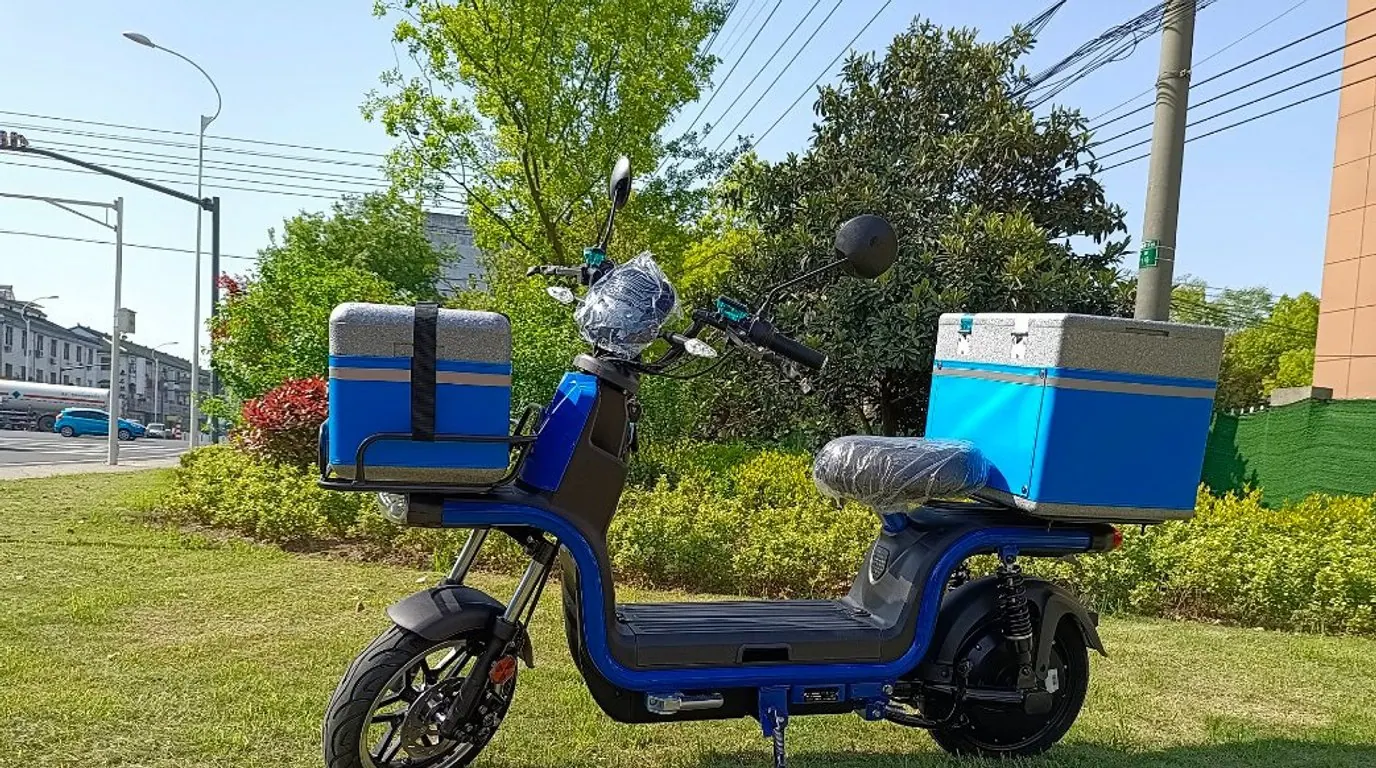
Which vehicles belong on 60V — and which do not
60V covers more vehicles than any other step: delivery and swap two-wheelers, standard passenger rickshaws and light agricultural cargo tricycles all sit here. One common misunderstanding to clear up first: 48V and 60V are two sales labels for the same 16S pack and do not form two voltage steps — only the frame they replace differs (4×12V or 5×12V). What genuinely separates them is 72V (24S): the 16S 51.2V already covers most passenger and delivery duty, and its 58.4V full charge still sits inside the safety extra-low voltage band (under 60V), avoiding the whole high-voltage insulation and high-rating MOSFET overhead.
- Choose 60V for courier and food-delivery two-wheelers running 80–100 km a day, swap two-wheelers using 50–60Ah modules, passenger rickshaws (3.5kW motor, about 50 km/h loaded, 110–130 km) and light agricultural cargo tricycles — especially where the vehicle is a factory 5×12V lead-acid frame that can be replaced in place.
- Choose 48V for factory 4×12V lead-acid frames, light passenger duty, golf carts and site shuttles, where weight and cost matter most and daily distance stays within about 120 km on flat routes — it uses the very same 16S pack, just under a different label.
- Choose 72V above 3000W of motor rating, above 500 kg of daily payload, on routes with long gradients, above 90 km a day with cargo, or for 55–75 km/h e-motorcycle duty.
- Do not choose 60V where the controller MOSFETs are rated below 75V (16S charges to 58.4V, so roughly 20% headroom points to 75V or above), on a factory 5×12V lead-acid vehicle whose low-voltage cut-off cannot be reflashed (lead-acid cuts at about 52.5V, which without a reflash cuts early and locks out the 16S usable capacity), or where the bay cannot take the assembled pack.
- Confirm the platform basis: 60V and 48V are both 16S here (51.2V nominal, 58.4V full charge) and only 72V is 24S (76.8V, 87.6V), so the charger and controller rating must match the string
- Controller MOSFET rating and current limit: ≥75V for 16S (48V / 60V), with a limit that covers the loaded hill-climb peak
- Main harness cross-section: ≥10–16 mm² on the 16S platform, the same basis as 48V
- Charger: a CC-CV unit matched to the string (58.4V for 16S, 87.6V for 24S), with CAN 2.0B or RS485 handshake to the BMS
- Low-voltage cut-off: fitting into a factory 5×12V lead-acid frame requires reflashing the controller threshold (about 52.5V on lead-acid → around 44.0V for 16S)
Factory 5×12V lead-acid against a 60V LiFePO4 pack
Factory lead-acid 5×12V 150Ah
About 60V 150Ah nominal- cancelAssembled weight≈ 200 kgFive 12V blocks stacked
- cancelUsable capacityDischarged to only 50–60% to protect life: roughly 75–90Ah usable, or 4.5–5.4 kWh from a 150Ah label
- cancelCycle life300 – 500 cyclesOften under 300 under deep discharge
- cancelCharging per shiftPassenger duty usually needs a midday top-up
- cancelCold weatherUsable capacity falls away below 0°C
60V 140Ah LiFePO4
16S basis · trade label 60V- check_circleAssembled weight≈ 50 kgAbout 150 kg lighter than lead-acid
- check_circleUsable capacity88–90% DoD recommendedAbout 6.3 kWh usable — more than the usable energy behind the 150Ah lead-acid label
- check_circleCycle life3,500 cycles1C charge/discharge to ≥80% SOH
- check_circleCharging per shiftOne pack covers the daySized at 120–140 km passenger duty
- check_circleCold weatherDischarges at −20°C; charging is current-limited by policy
60V lithium battery questions we get every week
How far will one 60V battery take me?expand_more
How long does a 60V pack take to charge?expand_more
What is the full charge voltage of a 60V battery, and why do I see two different numbers?expand_more
What should I check on the controller before fitting 60V?expand_more
How is pricing worked out for India?expand_more
Can a 60V pack be built as a swap module?expand_more
Replacing 5×12V lead-acid with 60V lithium — do the plugs and charger need to change?expand_more
Three things to check once 60V is fixed
The 48V light-duty and drop-in platform
Capacity matrix for 4×12V lead-acid bays, the safety extra-low voltage advantage, and South Africa / Australia fit notes.
See the 48V platformarrow_forwardThe 72V heavy-duty platform
Capacity matrix and the 6×12V lead-acid comparison for payloads above 500 kg, gradients and 90 km plus days.
See the 72V platformarrow_forwardTwo-wheeler battery solutions
Swap modules, quick-release enclosures and fast-charge options, sized to delivery distance and shift rhythm.
See two-wheeler optionsarrow_forwardGet a firm 60V quotation against your duty cycle
Send the destination port, payload, daily distance and motor rating, together with the voltage rating of the controller already on the vehicle. We will confirm the 16S configuration, size the pack and return FOB / CIF pricing with container allocation.
- Selection advice and pricing within 24 hours on working days
- Sample packs available to prove the duty cycle (3–5 day tooling), before committing to a container (three-wheeler motive packs: 20GP about 180 sets, 40HQ 320+)
- Vehicle parameters and market-access documents are strictly confidential; NDA available first
Specification notice:The figures above are engineering reference values. They may differ with production batch, configuration and actual duty cycle, and the percentages for life, efficiency, availability and coverage are engineering estimates and bench references. Contact us for the detailed specification sheet.