
E-bike batteries:fix the mount and the voltage first, then the capacity
An e-bike pack is selected in a different order from a tricycle or e-motorcycle pack: the frame and bay shape decide whether it fits at all, and only then come voltage and capacity. The rack, down-tube, seat-post and frame mounts each carry their own bay dimensions, centre of gravity and lock design. On top of that, many vehicles will only power up once the pack has completed a handshake with the cluster and controller — the most common real obstacle when a pack is replaced. This page covers the 24V / 36V / 48V voltage and capacity matrix, how the four mounting forms map to frames, removable and locking structures, and the handshake path to the vehicle.
verifiedVoltage windows use the site-wide per-cell basis of 3.2V nominal and 3.65V full charge; dimensions and capacity are confirmed against your measured bay.
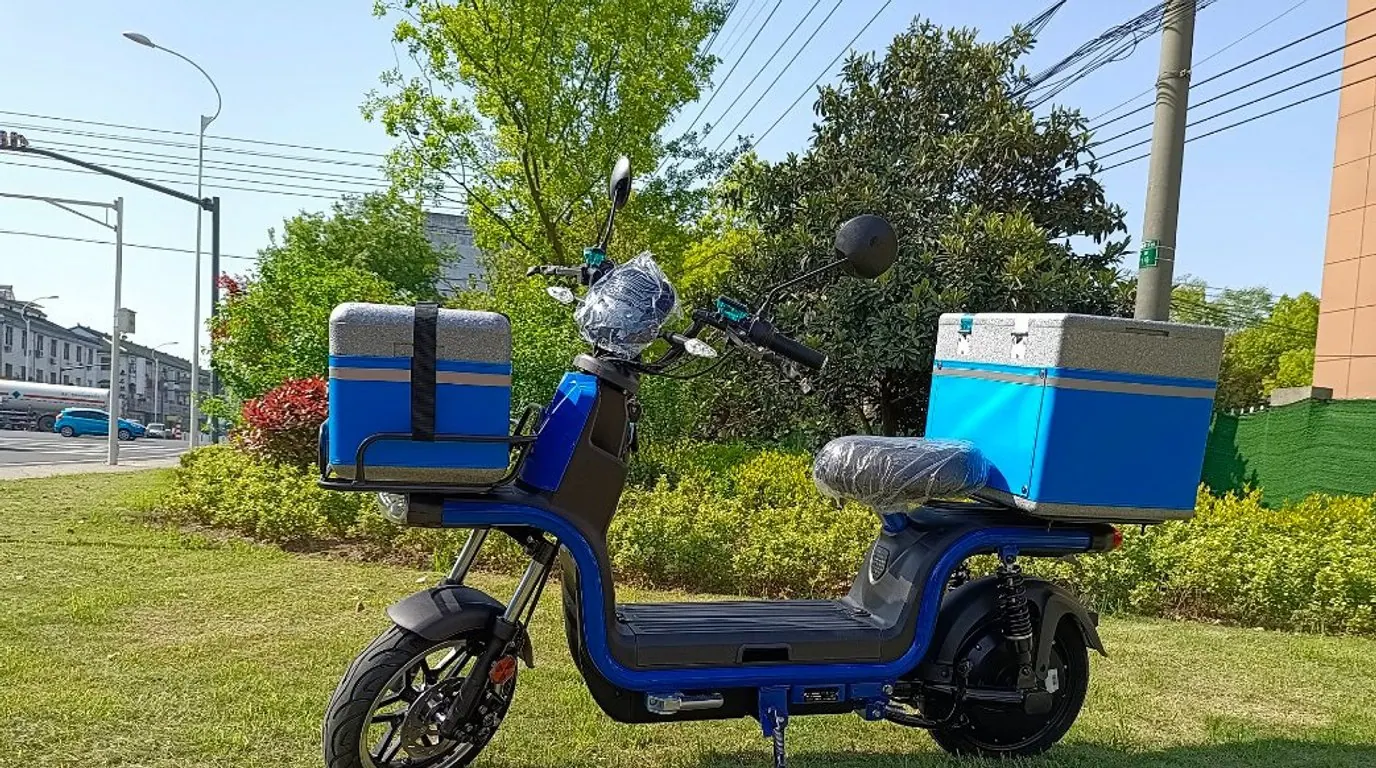
What an e-bike pack has to deliver
Specification notice:The figures above are engineering reference values. They may differ with production batch, configuration and actual duty cycle, and the percentages for life, efficiency, availability and coverage are engineering estimates and bench references. Contact us for the detailed specification sheet.
E-bike voltage and capacity matrix
Pick the row that matches the vehicle platform, then choose the capacity band that fits the mount. Energy is computed at 25.6V, 38.4V and 51.2V nominal; weight is the assembled pack including steel case, BMS and harness at roughly 7–9 kg/kWh on small low-voltage packs.
| Voltage platform | Series / nominal | Capacity band | Nominal energy | Pack weight (typical) | Assisted range | Reference pack model |
|---|---|---|---|---|---|---|
| 24V (8S) | 25.6V / 29.2V full | 20 – 30Ah | 0.51 – 0.77 kWh | 4.0 – 6.0 kg | 20 – 45 km | VT-2420-EBIKE · VT-2430-EBIKE |
| 36V (12S) | 38.4V / 43.8V full | 10 – 20Ah | 0.38 – 0.77 kWh | 3.5 – 6.5 kg | 15 – 45 km | VT-3610-EBIKE · VT-3620-EBIKE |
| 36V (12S) | 38.4V / 43.8V full | 30 – 40Ah | 1.15 – 1.54 kWh | 9.0 – 12 kg | 45 – 90 km | VT-3630-SHUTTLE · VT-3640-DELIVERY |
| 48V (16S) | 51.2V / 58.4V full | 10 – 15Ah | 0.51 – 0.77 kWh | 4.0 – 6.5 kg | 20 – 45 km | VT-4810-EBIKE · VT-4815-EBIKE |
| 48V (16S) | 51.2V / 58.4V full | 20 – 30Ah | 1.02 – 1.54 kWh | 8.0 – 12 kg | 40 – 90 km | VT-4820-EBIKE · VT-4830-DELIVERY |
Range is converted at 15–25 Wh/km for light assisted duty, including the 88–90% DoD, 94.5–96.0% loaded retention and 0.91–0.94 tropical derating factor. The site's 60V high-frequency delivery figure of 28–35 Wh/km carries a higher payload and speed and is not directly comparable. The 48V band here covers small e-bike frame packs (10–30Ah); it is a different product family from the 100–200Ah traction packs on the 48V three-wheeler page. The capacity model is in the real capacity and range guide.
Specification notice:The figures above are engineering reference values. They may differ with production batch, configuration and actual duty cycle, and the percentages for life, efficiency, availability and coverage are engineering estimates and bench references. Contact us for the detailed specification sheet.
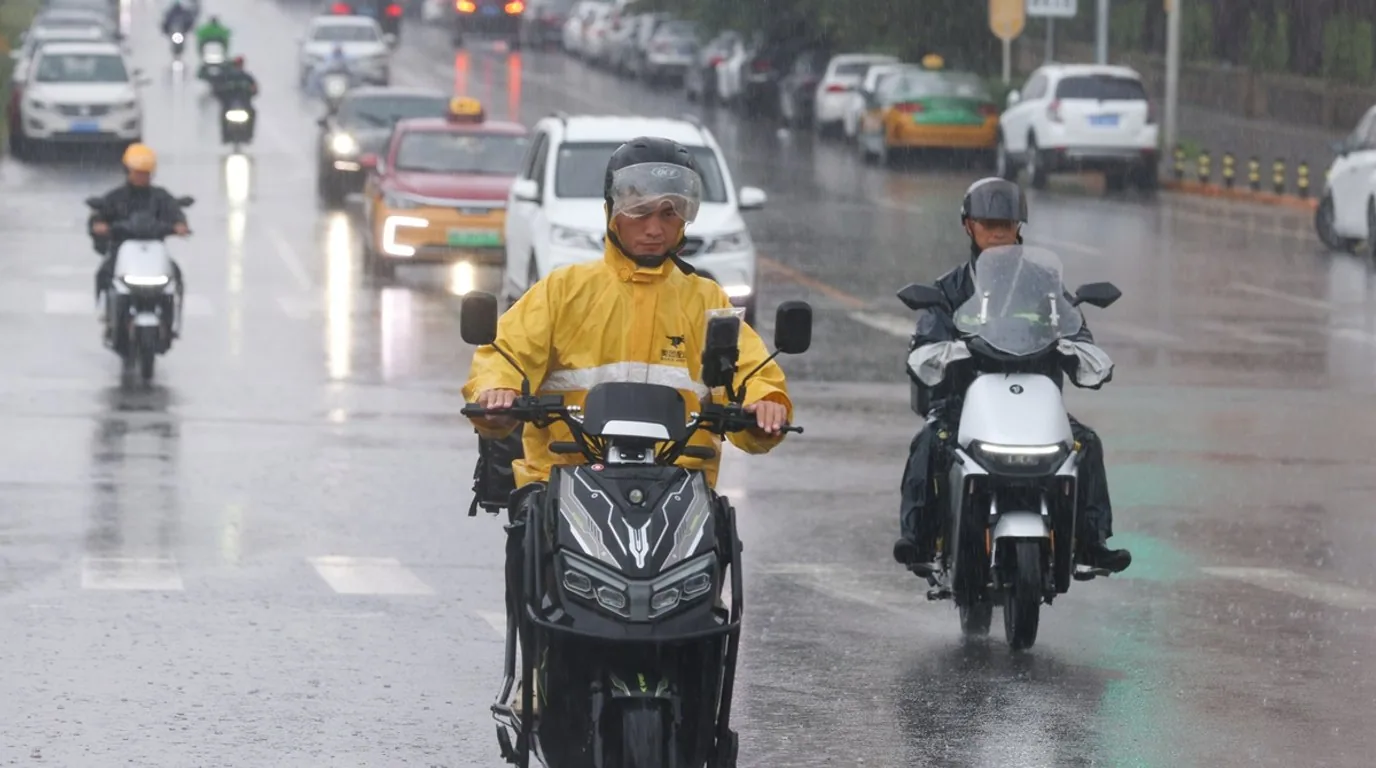
Mount by frame and bay: rack, down-tube, seat-post or frame
The mount decides bay dimensions, centre of gravity, lock design and whether the pack can be removed at all, which makes it the first step — ahead of voltage and capacity. None of the four forms is better than another; each simply matches a different frame. Get it wrong and the pack either will not fit, or it fits with the weight in the wrong place, rattles, or works loose on rough ground.
- Rear rack: the pack sits across the rack with the roomiest bay of the four (typically about 380–450 × 140–180 mm) and capacity bands of 20–40Ah. The price is a high rearward centre of gravity, so handling suffers with a load or a passenger — fine for commuting and light delivery.
- Down tube: the pack is integrated into the down tube (typically about 350–420 × 80–110 mm). It gives the lowest centre of gravity and the handiest insertion, which is why city commuters and folding bikes use it; the tube diameter limits a single pack to about 10–20Ah.
- Seat post: the pack hangs behind the seat post (typically about 300–380 × 90–130 mm). It suits existing frames where the down tube cannot be modified, and needs zero frame changes, at the cost of a higher centre of gravity.
- Frame / in-frame: the pack is fixed inside the main frame tube or an integrated frame (dimensions built to the frame). It looks the neatest and resists theft best, but the shell and rails are frame-specific, and the sample lead time still follows the standard 3–5 days.
- Clear internal length × width × height, including connectors, handle, lock body and harness bend radius — never the pack alone
- Fixing points: check whether the frame uses rails, a compression bar or straps, and keep the fixing points clear of the enclosure pressure-relief valve
- Centre of gravity against the handle load path: if they are not aligned, repeated lift-outs twist the shell and connectors
- Controller and cluster voltage window: a change of voltage step must cover both the full-charge voltage and the cut-off, or the vehicle will not display, will alarm, or will refuse to power up
Removable pack or fixed in-frame pack — and how the lock works
Fixed in-frame pack
Locked into the frame, charged on the vehicle- cancelBattery changeOpen the cover and drop the harness; every change disturbs wiring and takes time on site
- cancelRechargingVehicle-bound charging only, so the bike is off the road longer and a spare vehicle is needed at peak
- cancelTheft protectionThe vehicle can be immobilised, but the pack itself cannot be stored off the bike
- cancelWhen it fitsNo rails or lock reinforcement in the frameConverting means rebuilding the bay and the cost often exceeds the benefit
Removable pack with a lock
Vehicle and battery decoupled- check_circleBattery changeLift out by the handleTool-free and one-person, and can be done under cover in the rain
- check_circleRechargingCharge off the vehicleThe bike stays in service and can use a swap cabinet or a bench charger
- check_circleLock optionsKey / key + solenoid / controller-linked electronicLock body and bay reinforcement plate are one design, so levering does not destroy the bay
- check_circleAnti-theft and traceabilityOne code per packThe BMS permits discharge only after a handshake with an authorised vehicle or cabinet, and outputs nothing when removed
Three steps to make the vehicle accept a new pack
What looks like a failed replacement pack is often a missing handshake: no state of charge on the display, jumping bars, or a vehicle that simply will not power up. Confirm this before ordering, not after the pack is fitted.
- 01tune
Step 1 — Read the original protocol
Establish the frame ID, baud rate and byte order the cluster and controller expect. The usual symptom is a broadcast ID mismatch between cluster and BMS default (for example 0x1818D0F3 against 0x18F001F0), which shows up as a missing or jumping charge reading. It is fixed in the host software bus protocol mapping page by switching the SOC frame byte offset from little-endian to big-endian, or by loading a preset cluster template — no cluster hardware change required.
Frame ID · baud rate · byte order - 02description
Step 2 — Send the protocol documents and fix the firmware build
FarDriver, Kelly, Sabvoton and Votol controllers already have no-rewire patch packs, so preset current limiting, field-weakening speed increase and regenerative braking curves load directly. For a fully private vehicle VCU protocol, once the requirements document and frame cycle definitions arrive the software team typically completes compilation plus HIL bench simulation validation and delivers the firmware package within 3–5 working days.
Mainstream controllers covered · private VCU 3–5 working days - 03verified_user
Step 3 — Commission on site and burn in the parameters
Connect the isolated USB-to-CAN / 485 adapter box to the pack aviation comms plug or debug port. The host software auto-scans the baud rate (250k / 500k), reads every cell voltage, temperature and alarm record, then downloads continuous and peak over-current thresholds and the regenerative cut-off for the duty cycle, with dual-check confirmation before burning to EEPROM. With no laptop on site, the built-in BLE 5.0 module lets a phone app scan the enclosure QR code to view cell spread, export CSV logs and adjust protection delays within safe permissions. The protocol and tool list is in the BMS host software and protocol centre.
Isolated USB-to-CAN / 485 adapter · 1500VDC opto-isolation
E-bike battery questions we get every week
How do I know which voltage my bike needs?expand_more
Can I fit a larger capacity pack?expand_more
Does a replacement pack need protocol matching?expand_more
Can I take the battery on a plane?expand_more
What does it cost?expand_more
Can the pack be built removable or swappable?expand_more
Do I need a new controller and charger?expand_more
How much range do I gain by switching to lithium?expand_more
Once the mounting form is fixed, check these three pages
24V / 36V low-voltage platform
Voltage windows, capacity matrix and the direct-swap check for 36V lead-acid 3×12V banks.
See the low-voltage platformarrow_forwardElectric scooter battery
The 48V / 60V / 72V voltage and capacity matrix for scooters and delivery vehicles, plus swap modules.
See the scooter platformarrow_forwardBMS host software and protocol centre
Frame mapping, Vector .DBC files, Modbus-RTU registers and the no-rewire patch pack request desk.
Open the protocol centrearrow_forwardSend the frame, bay and cluster protocol and we will size the pack
Give us the mounting form, bay length × width × height, vehicle voltage platform, cluster and controller model and target daily distance, and we will return the selection, FOB / CIF pricing, container allocation and the shipping document list.
- Selection advice and pricing within 24 hours on working days
- Sample packs available to prove fit and handshake before committing to a container
- Frame drawings and vehicle protocol documents are strictly confidential; NDA available first
Specification notice:The figures above are engineering reference values. They may differ with production batch, configuration and actual duty cycle, and the percentages for life, efficiency, availability and coverage are engineering estimates and bench references. Contact us for the detailed specification sheet.