
150Ah lithium battery packs:the capacity step for heavy tricycles and long passenger shifts
150Ah is the classic heavy-duty, long-shift capacity on three-wheeler fleets: 7.68 kWh on a 51.2V (16S, the 48V / 60V label) platform and 11.52 kWh on a 76.8V (24S, 72V) platform. It is also the step where the lead-acid arithmetic is easiest to see — a 6×12V 150Ah lead-acid set weighs about 240 kg assembled, against about 81 kg for a 76.8V 150Ah LiFePO4 pack. That 160 kg difference becomes payload or range. This page sets out the two-platform matrix, the vehicle fit table, the lead-acid comparison and the pricing basis.
verifiedTypical values at 25°C. Nominal energy is computed as each platform’s nominal voltage × 150Ah; the signed specification sheet that ships with your container governs.

What the 150Ah capacity class delivers
Specification notice:The figures above are engineering reference values. They may differ with production batch, configuration and actual duty cycle, and the percentages for life, efficiency, availability and coverage are engineering estimates and bench references. Contact us for the detailed specification sheet.
150Ah across two voltage platforms: 7.68 kWh to 11.52 kWh
Energy is computed as each platform’s nominal voltage × 150Ah; weight is the assembled pack including steel enclosure, BMS and harness at roughly 7 kg/kWh (±5%). Choose by daily range and payload rather than by the largest number in the table.
| Voltage platform (string) | Nominal voltage basis | Energy at 150Ah | Pack weight (typical) | Duty cycle | Target range | Pack model |
|---|---|---|---|---|---|---|
| 48V / 60V platform (16S LiFePO4, shared basis) | 51.2V | ≈ 7.68 kWh | ≈ 54 kg | Long passenger shifts, loaded conversions on flat routes, West African Keke Napep heavy stop-start, tropical long-haul passenger duty | 120 – 140 km | VT-48150-LONG-RANGE (4×12V bay) / VT-6140-KEKE-HD (5×12V bay, 140Ah standard step) |
| 72V platform (24S LiFePO4) | 76.8V | ≈ 11.52 kWh | ≈ 81 kg | Heavy cargo and frequent gradients at 800–1000 kg payload | 90 – 110 km | VT-72150-CARGO |
Merging 48V and 60V into one row is not an omission: both are replacement-class labels rather than string counts. The same 16S pack is called 48V in a 4×12V lead-acid frame and 60V in a 5×12V frame (see the 60V platform page). Energy follows only the string and nominal voltage: 51.2V × 150Ah = 7.68 kWh, 76.8V × 150Ah = 11.52 kWh. Range uses the ex-works basis: 55–80 Wh/km for passenger duty, 95–125 Wh/km for heavy cargo.
Specification notice:The figures above are engineering reference values. They may differ with production batch, configuration and actual duty cycle, and the percentages for life, efficiency, availability and coverage are engineering estimates and bench references. Contact us for the detailed specification sheet.
150Ah vehicle fit table: heavy tricycles and long passenger duty
Vehicle platform, daily distance and real consumption decide whether 150Ah is just right, generous or insufficient. The verdict column follows each platform’s ex-works calibration, not a nameplate maximum.
| Vehicle and duty cycle | Recommended platform | Daily distance | Real consumption | 150Ah fit and verdict |
|---|---|---|---|---|
| Passenger rickshaw taxi (India / Bangladesh, 4–5 passengers) | 48V / 51.2V | 100 – 120 km | 55 – 68 Wh/km | 51.2V 150Ah (7.68 kWh) → calibrated to 120–140 km, sufficient with margin |
| African passenger tricycle (Keke Napep, loaded, 45°C) | 60V / 72V | 110 – 130 km | 65 – 80 Wh/km | 76.8V 150Ah (11.52 kWh) → sufficient, the steadiest margin under hot heavy load |
| Heavy commercial cargo tricycle (800–1000 kg, long gradients) | 72V (24S) | 90 – 110 km | 95 – 125 Wh/km | 76.8V 150Ah → calibrated to 90–110 km; the entry capacity for heavy-duty duty |
| Resort golf cart / site shuttle (long standby reserve) | 48V / 72V | 80 – 100 km | 50 – 65 Wh/km | 51.2V 150Ah → sufficient, and well suited to long standby duty |
| Heavy e-loader / agricultural cargo tricycle (frequent short hauls) | 60V / 72V | 60 – 90 km | 95 – 125 Wh/km | 76.8V 150Ah → range is fine, but check the BMS current limit against loaded pull-away peaks |
If your daily distance exceeds the table maximum by more than 20%, or the route includes 12° gradients, size on 180–200Ah (see the 200Ah class). Conversely, if daily distance sits more than 30% below the lower bound, 150Ah is oversized and 100Ah saves weight and cost.
Specification notice:The figures above are engineering reference values. They may differ with production batch, configuration and actual duty cycle, and the percentages for life, efficiency, availability and coverage are engineering estimates and bench references. Contact us for the detailed specification sheet.
Both are labelled 150Ah — where lead-acid and LiFePO4 diverge
Factory lead-acid 6×12V 150Ah
About 72V 150Ah nominal- cancelAssembled weight≈ 240 kgSix 12V 150Ah blocks at about 40 kg each — reference value
- cancelUsable capacityDischarged to only 50–60% to protect life: roughly 80–90Ah usable, or about 5.9–6.5 kWh, from a 150Ah label
- cancelCycle life300 – 500 cyclesOften under 300 under deep discharge
- cancelCharging per shiftHeavy duty usually needs a midday top-up
- cancelCold weatherUsable capacity falls away below 0°C
72V (76.8V) 150Ah LiFePO4
Same nominal capacity · 24S LFP- check_circleAssembled weight≈ 81 kgAbout 160 kg lighter than lead-acid
- check_circleUsable capacity88–90% DoD recommendedAbout 10.1 kWh usable, roughly 1.6–1.7x the usable energy behind the 150Ah lead-acid label
- check_circleCycle life3,500 cycles1C charge/discharge to ≥80% SOH, about 7–10x lead-acid
- check_circleCharging per shiftOne pack covers the daySized at 90–110 km heavy-duty range
- check_circleCold weatherDischarges at −20°C; charging is current-limited by policy
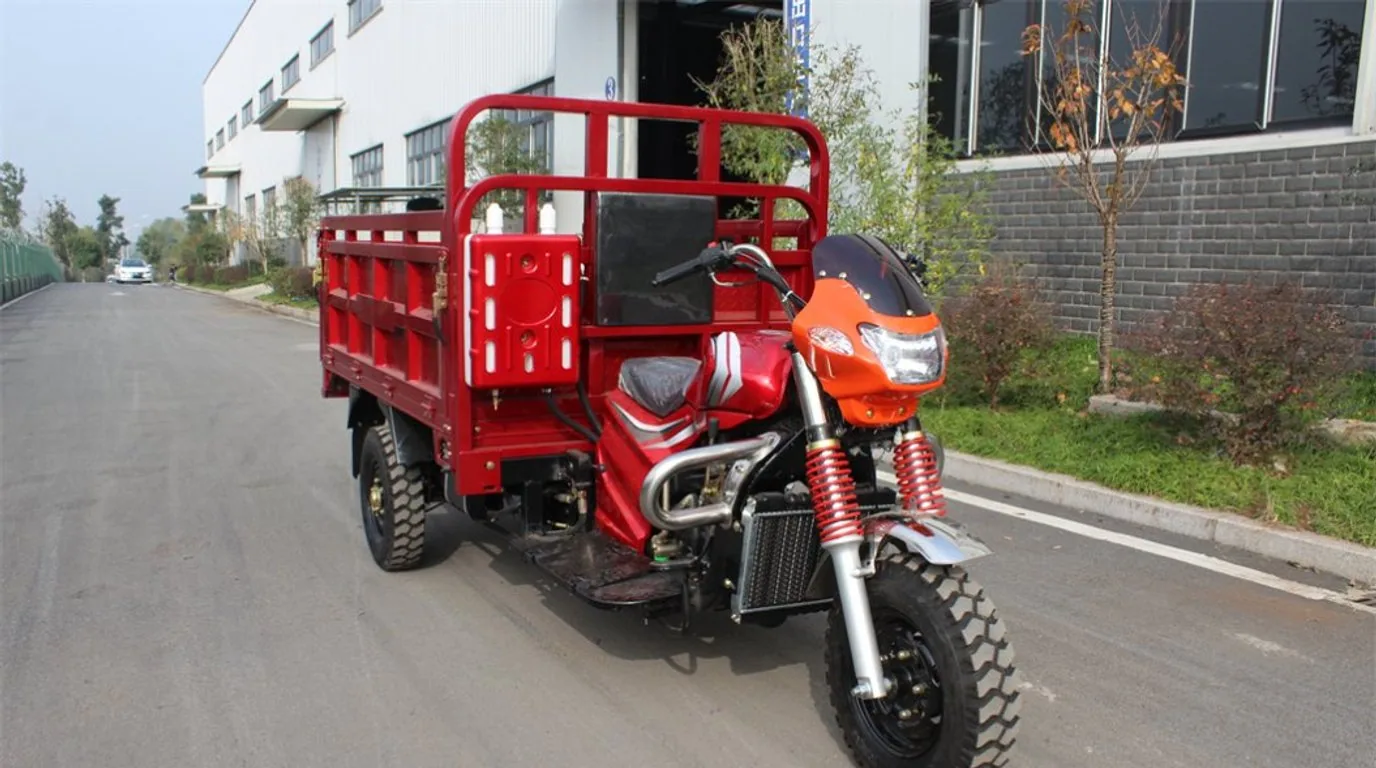
Same-capacity lead-acid replacement: where the gains land
Most buyers reduce a lead-acid conversion to the price difference between two packs. At 150Ah the real gains sit on the operating side: 160 kg of weight comes off and turns into payload or range; usable capacity moves from 50–60% DoD to a recommended 88–90%, so the same nominal rating runs 60–70% further; and cycle life goes from 300–500 to 3,500, turning an annual battery replacement into a multi-year one on a single daily cycle.
- Weight: a 6×12V 150Ah lead-acid set is about 240 kg, against about 81 kg for a 76.8V 150Ah LiFePO4 pack — roughly 160 kg saved. On a 51.2V platform the 150Ah pack is about 54 kg, saving even more.
- Usable capacity: lead-acid is only discharged to 50–60% (about 80–90Ah usable), while our recommended DoD is 88–90% — the same nominal rating runs 60–70% further.
- Cycle life: 300–500 cycles from lead-acid against 3,500 cycles (1C charge/discharge to ≥80% SOH), or roughly 7–9 years at one cycle a day.
- Shift rhythm: heavy lead-acid duty usually needs a midday top-up, while a pack sized at the 90–110 km heavy-duty figure covers the day, with daytime fast charging only added for double-shift fleets.
- Controller MOSFET rating and current limit: a 72V platform charges to 87.6V, so verify rating with about 20% headroom and a limit that covers the loaded hill-climb peak
- Charger: a 24S CC-CV unit (87.6V) is mandatory; a lead-acid constant-voltage or float charger has no BMS handshake and must not be reused
- Battery bay and floor loading: the pack weighs 54–81 kg depending on platform, so measure bay height, floor rating and cable clearance before choosing
- Shift distance and charging rhythm: work back from daily distance × consumption ÷ 88% DoD ÷ nominal voltage to confirm whether 150Ah is enough or 180Ah is needed
150Ah lithium battery questions we get every week
How far will a 150Ah lithium battery take me?expand_more
How much heavier than my lead-acid set is a 150Ah lithium pack?expand_more
Will 150Ah cover one full day of work?expand_more
How do I choose between 150Ah and 200Ah?expand_more
What does a 150Ah battery for an e-rickshaw cost?expand_more
How long does a 150Ah pack take to charge?expand_more
Can a 150Ah pack be built as swappable?expand_more
What documents does a 150Ah pack need to ship?expand_more
Once 150Ah is settled, four things to check next
The 100Ah capacity class
The mainstay capacity for passenger rickshaws, with the cross-voltage matrix and a reverse-check table by distance and payload.
See the 100Ah classarrow_forwardThe 200Ah capacity class
What the largest capacity really costs in weight and bay volume, and the one 200Ah versus two 100Ah decision.
See the 200Ah classarrow_forwardThe 72V heavy-duty platform
The full capacity matrix at 76.8V (24S), bus current behaviour and the 6×12V lead-acid comparison.
See the 72V platformarrow_forwardHow long an e-rickshaw battery lasts: cycles, years, SOH
Lead-acid is rated 300–500 cycles against 3,500 for LiFePO4 to 80% SOH — about 10–17 months versus 7–9 years at one cycle a day, plus how to read state of health.
Read the battery-life analysisarrow_forwardGet a firm 150Ah quotation against your duty cycle
Send the destination port, payload, daily distance and motor rating. We will size the 150Ah pack on your target voltage platform and return FOB / CIF pricing, container allocation and lead time, with the shipping document list attached.
- Selection advice and pricing within 24 hours on working days
- Sample packs available to prove the duty cycle (3–5 day tooling), before committing to a container (three-wheeler motive packs: 20GP about 180 sets, 40HQ 320+)
- Vehicle parameters and market-access documents are strictly confidential; NDA available first
Specification notice:The figures above are engineering reference values. They may differ with production batch, configuration and actual duty cycle, and the percentages for life, efficiency, availability and coverage are engineering estimates and bench references. Contact us for the detailed specification sheet.