
verifiedAIS-156 | UN38.3 | CE | IEC 62619 | 12-market export certification system
EN
TIANQIULi-ion Export
FAST-CHARGE CAN CONTROL · EXT_ID 0x1806E5F4Hardware reverse-polarity and short-circuit lockoutCAN 2.0B millisecond dynamic power dispatch55℃ high-temperature cut-off and low-temperature protection

Motive lithium packs for commercial three-wheelers and e-mopeds:charger matching curves and high-power fast-charge safety

A hard lesson from export fleets and workshops: more than 70% of lithium fires and premature pack failures start not in the cells but with a mismatched cheap charger — lead-acid units mixed in, drifting high-voltage cut-offs that never turn off, or uncommunicated brute-force charging. This guide sets out 0.5C overnight and 1C–2C fast-charge matching, the CAN/485 handshake closed-loop protocol, and how to eliminate phantom charging and lithium plating.

bolt
Fast full-charge calibration (1C)1.5 h
sync
Charge handshake latency< 50 ms
dangerous
Over-voltage hardware cut-off< 2.5 ms
eco
Combined charge efficiency≥ 94.5%
ssid_chart
CC-CV knee accuracy± 0.05V
thermostat
High-temp cut-off threshold55℃

verifiedLLC resonant topology for low industrial heat · engineered CC-CV curve with ±0.05V knee accuracy · bidirectional multi-frame heartbeat monitoring

boltFAST-CHARGE CAN CONTROLEXT_ID 0x1806E5F4
Fast full-charge calibration (1C)1.5hSOC 10% → 100% saturation
Charge comms handshake delay< 50msBidirectional multi-frame heartbeat monitoring
Over-voltage hardware cut-off< 2.5msTransient chopper shutdown against breakdown
Overall charging efficiency≥ 94.5%LLC resonant topology, low industrial heat
boltConstant-current stage (CC)60A
show_chartKnee point (CV)3.65V · ±0.05V accuracy

Specification notice:Reference values only — batch and duty-cycle variation applies. Contact us for detailed specifications.

monitor_heartFast-Charge CAN Control

1C fast-charge CAN control and the protection response chain

From handshake and dynamic current limiting to hardware cut-off, the response time of every stage decides whether the end of charge plates lithium or overcharges. These readings come from CAN capture and scope calibration before dispatch.

bolt1.5 hFast full-charge calibration (1C)SOC 10% → 100% saturation
sync< 50 msCharge communication handshakeBidirectional multi-frame heartbeat monitoring
dangerous< 2.5 msOver-voltage hardware cut-offTransient chopper shutdown
eco≥ 94.5%Combined charge conversion efficiencyLLC resonant topology, low industrial heat

Specification notice:The figures above are engineering reference values. They may differ with production batch, configuration and actual duty cycle, and the percentages for life, efficiency, availability and coverage are engineering estimates and bench references. Contact us for the detailed specification sheet.

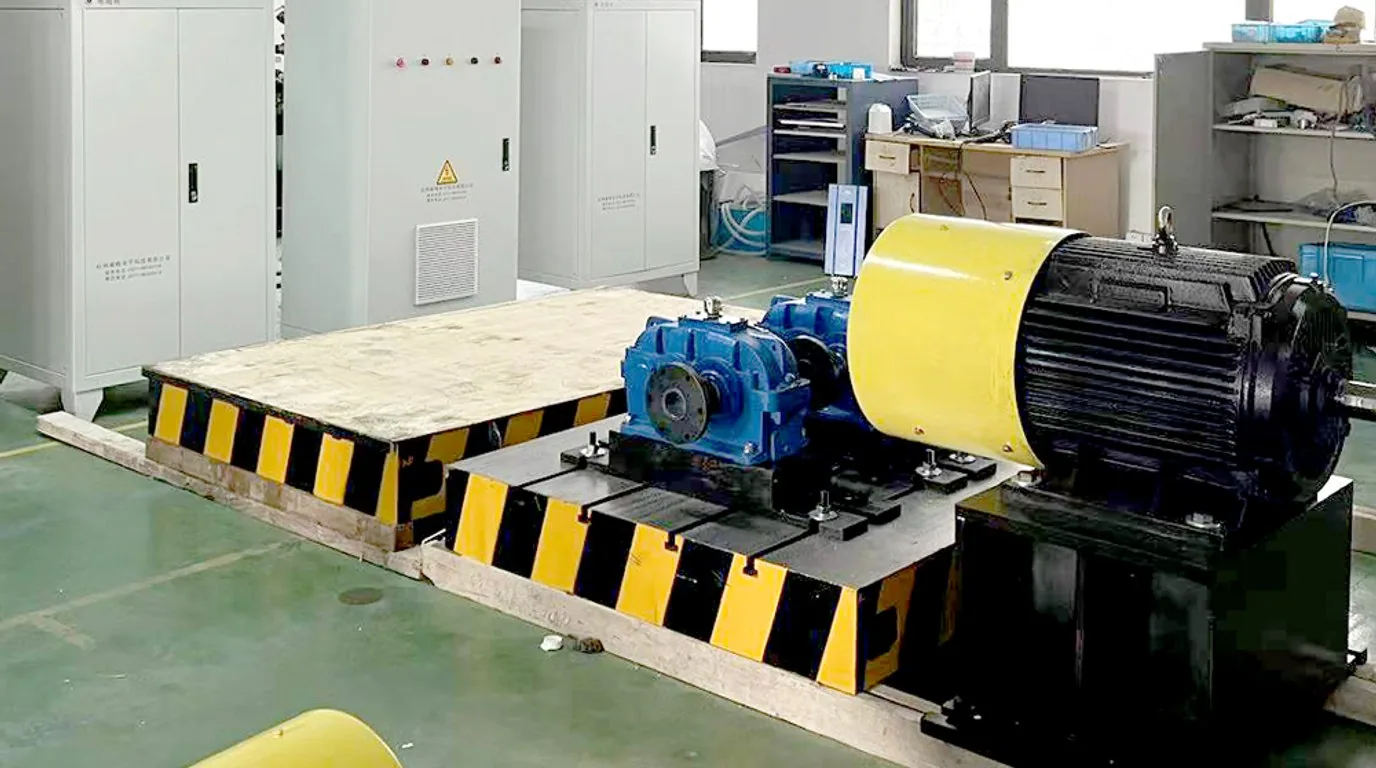
Test bench for 48V, 60V and 72V powertrain comparison
scienceDesign Verification

Charger and pack matching

Charger and pack are matched on CAN closed-loop control with multi-point temperature sensing, so the pair stays stable in extreme export climates.

LLC resonant topologyCAN 2.0B closed loop3.65V per-cell cut-offFull infrared inspection
  • High-power smart charger commissioning: an industrial high-frequency pulse charger is matched to a 72V pack, checking the constant-current to constant-voltage knee and extreme overcharge temperature rise on multiple channels simultaneously.
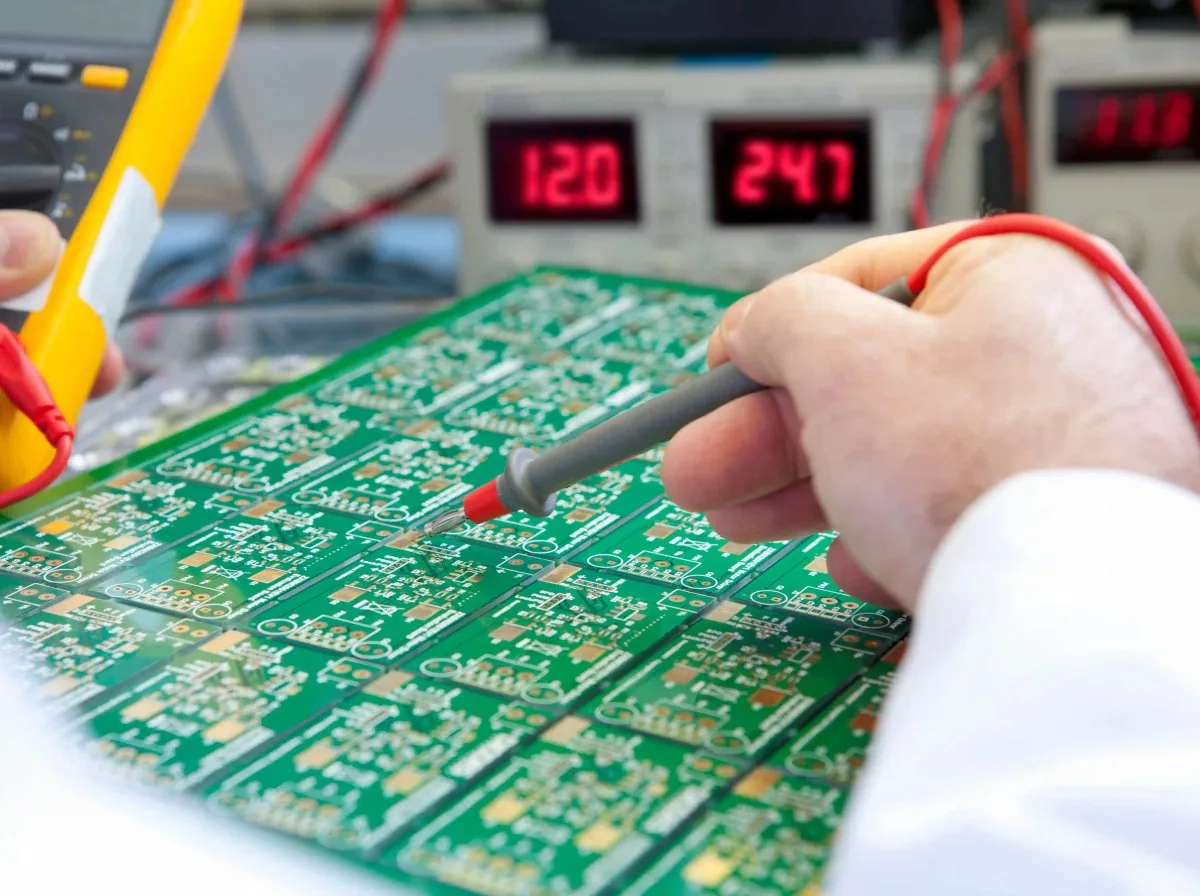
  • BENCH 02 · High-precision CC-CV scope analysis: the scope strictly calibrates the CC-CV transition so that voltage never drifts and each cell saturates precisely at 3.65V.
  • CAN bus closed-loop charge control: the BMS publishes permitted charge current and highest cell voltage in real time; any abnormal delta or temperature overshoot forces a charge cut-off within 50ms.
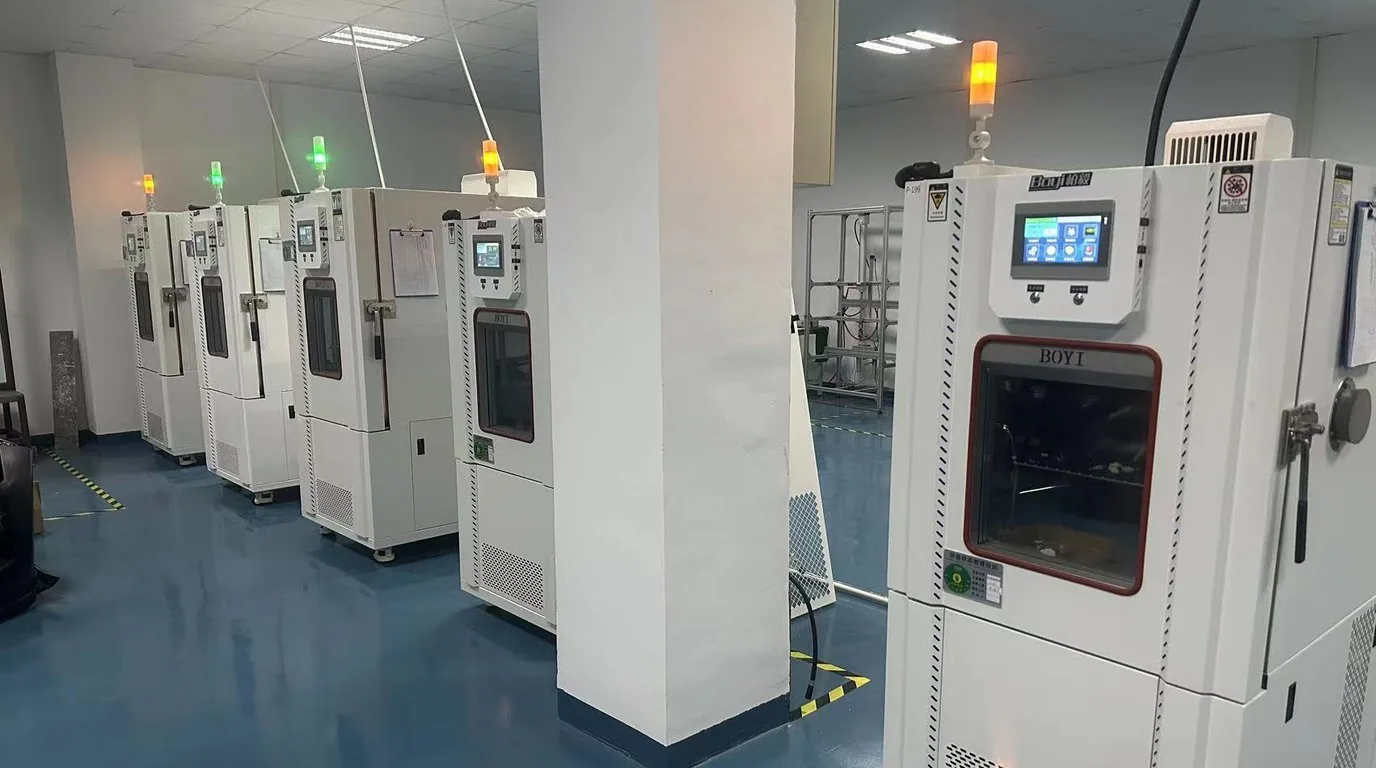
  • BENCH 04 · Heat distribution and multi-stage thermal protection: at end of charge a full-field infrared scan verifies the tab weld points and the passive duct cooling design of the MOSFET bank under high current.
ssid_chart± 0.05VCC-CV knee calibration
battery_charging_full3.65VCell full-charge cut-off
timer50 msAnomaly forced cut-off window
eco≥ 94.5%Combined charge efficiency
grid_viewSelection Matrix

Charger matching matrix and selection table for commercial motive lithium packs

Look up the standard overnight charger, optional fast charger and protocol requirement directly by pack specification. Overnight and shift-change charging are a dual-track configuration, not substitutes for each other.

Recommended basis: overnight standard charger plus shift-change fast charger
Pack specificationStandard recommended charger (slow / overnight)Optional high-power fast charger (shift top-up)Estimated full-charge timeCommunication protocolOperating scenario
48V 60Ah 16S LiFePO454.8V 10A aluminium portable charger54.8V 25A smart fast chargerSlow 6h / fast 2.2hRS485 / direct voltage sensingTwo-wheeler e-mopeds, light delivery scooters, community patrol vehicles
60V 105Ah 16S passenger three-wheeler58.4V 15A industrial shock-proof charger58.4V 45A high-power air-cooled fast chargerSlow 7h / fast 2hCAN 2.0B standardEgypt / India TokTok commercial passenger three-wheelers, depot overnight charging
72V 150Ah 24S heavy cargo80.3V 20A floor-standing smart charger80.3V 60A cabinet super-fast charging postSlow 7.5h / fast 2.2hCAN handshake mandatoryHeavy logistics cargo tricycles, end-of-line agricultural transfer platforms
72V 200Ah 24S heavy operating platform80.3V 25A industrial shock-proof charger80.3V 80A dual-gun industrial fast chargerSlow 8h / fast 2.5hCAN handshake mandatoryDepot swap-and-charge stations for passenger fleets, industrial park tow tractors

Match voltage, current threshold and communication standard to the operating scenario — overnight valley charging versus daytime shift top-up. The message mapping between charger and BMS is documented in the BMS host software and protocol centre.

Specification notice:The figures above are engineering reference values. They may differ with production batch, configuration and actual duty cycle, and the percentages for life, efficiency, availability and coverage are engineering estimates and bench references. Contact us for the detailed specification sheet.

health_and_safetySafety Protocol

Four safety rules for charging commercial light-EV lithium packs

Export operating sites are harsh and rarely staffed by qualified electricians. Strict hardware and communication fail-safes are the last line of defence for the asset.

warning

01 Never mix a lead-acid charger in

Lead-acid chargers include a de-sulphation pulse stage and a high-voltage float stage (often above 58.8V / 73V). Lithium packs have no acid-absorption reaction, so sustained high voltage gasses the cells, swells them and can pierce the separator and start a fire.

The single biggest cause of 80% of returns
shield

02 Hardware reverse-polarity protection and soft start

The charge port must be dead-zero-volt until correct polarity is detected, only then closing the relay output. This removes the arc and spark at plug-in that carbonises connectors.

Stops carbonised, high-resistance connectors
sensors

03 CAN/485 closed-loop dynamic current control

No brute-force charging. The BMS acts as master, dispatching charge current in real time from the highest cell voltage, the lowest cell voltage and ambient temperature, and cutting off automatically within 50ms on any anomaly.

Prevents plating that pierces the separator
thermostat

04 55℃ mandatory charge stop threshold

In North Africa and the tropics, direct sun easily pushes internal temperature beyond limits. The BMS enforces a hard charge stop at 55℃ and allows trickle recharge only once natural ventilation brings the pack below 45℃.

Tropical export-specific protection
helpEngineering FAQ

Charging questions from export fleets and importers

The six technical details overseas fleet customers, import buyers and conversion shops ask about most when it comes to charging safety and matching.

Q1: Is a lead-acid charger really forbidden for LiFePO4 packs?expand_more
Absolutely forbidden. A lead-acid charger includes a high-voltage equalisation phase and a trickle/float phase whose output voltage sits well above the LiFePO4 saturation protection voltage. Long-term mixing vapourises and decomposes the electrolyte inside the lithium cells and swells them, and in severe cases punches through BMS sensing components and starts a fire.
Q2: What is CAN-controlled charging, and can a plain charger work without the comms line?expand_more
In CAN charging the BMS is the brain, sending a charge-permitted command to the charger every 100ms. Without the comms line the charger output stays in a high-impedance, zero-volt locked state and cannot start. For low-power vehicles we also offer a fail-safe charger using direct voltage sensing with passive cut-off, but high-power fast charging (≥30A) must use the CAN bus.
Q3: Does frequent 1C fast charging seriously shorten LiFePO4 life?expand_more
The regular A-grade LiFePO4 cells TIANQIU uses are designed for 1.5C continuous charge. With the BMS stepped-current algorithm, 0% to 80% is charged at 1C and above 80% it steps down to 0.3C for balancing. At 25℃, the point of that profile is to cut lithium plating and heat rise above 80%; cycle life follows the site’s 3,500-cycle @1C ≥80% SOH warranty basis.
Q4: Why does the dashboard still show 95% after the charger turns green?expand_more
A cell-to-cell delta has triggered the BMS single-cell over-voltage protection — one cell reached 3.65V first — so the BMS closed the charge circuit early and the string was never fully pressed to capacity. Leave the charger connected for one to two hours so the BMS passive balancing resistors trim individual cell voltages; the pack will then settle to a full 100%.
Q5: How are charger plugs and input voltage configured for 110V / 220V / 240V grids?expand_more
We supply a global wide-voltage topology with 85V~265V adaptive input for every export region, and ship the destination-country standard AC plug with each container (European Schuko, UK standard, US standard, South African three-round-pin and others), all passing factory hipot and burn-in inspection.
Q6: Do the chargers carry CE / UL / KC / RoHS certification?expand_more
Every standard charger carries EU CE (LVD low voltage and EMC), the RoHS environmental directive, and compliance reports for African export markets including Egypt GOEIC, Kenya KEBS and Nigeria SONCAP, with a complete customs HS code list (HS 8504401990) supplied with the goods.
calculateCharger Matching & Landed Price

Get a packaged export quotation for packs and chargers together

Tell us your target vehicle voltage, the charge time you need and your export port, and our senior electrical engineers will issue a complete distribution matching sheet and CAN handshake document within 24 hours on working days.

  • Global wide-voltage topology with 85V~265V adaptive input and destination-country AC plugs
  • Customs HS code list (HS 8504401990) and compliance reports supplied with the goods
  • CAN 2.0B handshake document and matching sheet issued with the quotation
callTechnical / WhatsApp: +86 13922702227 (English, French and Arabic spoken)
location_onEBattery Office, Room 310I, Huilange BLDG, No. 273, Huangpu Blvd W, Tianhe District, Guangzhou 510620, Guangdong, China
scheduleMatching sheet from a senior electrical engineer within 24 hours on working daysterminalCAN handshake documentation and parameter support free of chargelocal_shippingChargers ship in the same container as the packs, with a loading plan

Specification notice:The figures above are engineering reference values. They may differ with production batch, configuration and actual duty cycle, and the percentages for life, efficiency, availability and coverage are engineering estimates and bench references. Contact us for the detailed specification sheet.

lockProtected by NDA

We work under strict confidentiality and never disclose fleet or conversion business data to third parties. A mutual NDA can be signed first.