verifiedAIS-156 | UN38.3 | CE | IEC 62619 | 12-market export certification system
EN
TIANQIULi-ion Export
Built for Bangladeshi passenger electric three-wheelers (Easy-Bike) · 48V / 51.2V platform · container sailings into Chittagong48V / 51.2V (16S LFP) passenger platform55–68 Wh/km · 4–5 passengers · about 120 km a day51.2V 100–120Ah primary capacity tierChittagong container shipping · UN38.3 and packing certificate in the crate

Motive lithium systems for Bangladeshi passengerelectric three-wheelers (Easy-Bike), 48V / 51.2V

Unlike Ghana, where the duty centre of gravity is cargo, Bangladesh’s electric three-wheeler fleet is overwhelmingly passenger carrying: Easy-Bikes and passenger e-rickshaws in Dhaka and Chittagong run heavy short-hop commuter and feeder duty with four to five passengers, frequent stops and long daily distances. We pre-load a 48V / 51.2V platform on the 55–68 Wh/km passenger basis, and spell out every input that sets the price.

directions_boat
Main Bangladesh portChittagong
electric_rickshaw
Mainstream vehicleEasy-Bike passenger e-rickshaw
bolt
Passenger duty consumption55–68 Wh/km
battery_charging_full
Primary platform48V / 51.2V (16S)
scale
Primary capacity tier51.2V 100–120Ah
route
Passenger target range100–120 km

verifiedClearance is handled by the buyer or the local importer; we supply documentation support · destination access requirements are subject to current Bangladeshi regulations · no amounts are published here — pricing is modelled from capacity tier, BMS and enclosure configuration, shipping method and trade terms as an FOB / CIF quotation

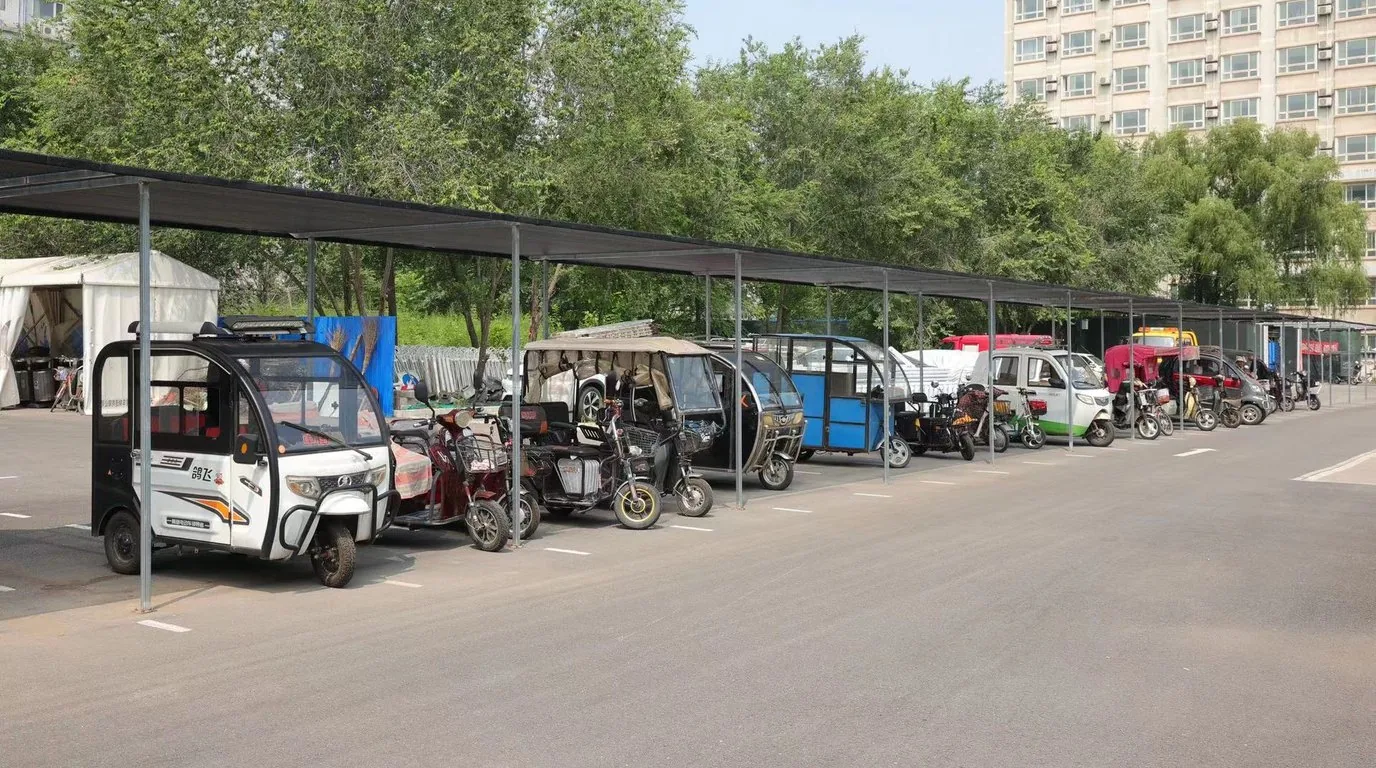
Passenger e-rickshaw running on a modern city road
trending_upPassenger duty basis55–68 Wh/km
insightsBangladesh Desk Baseline

Four things the Bangladesh desk fixes before the quotation goes out

Because Bangladeshi duty is passenger-led, this desk pre-loads a passenger configuration: a 48V / 51.2V platform, a 100–120Ah primary capacity tier and a wide transient over-current window — not the 72V high-capacity scheme that heavy cargo needs.

battery_charging_full48V / 51.2V (16S)The dominant local passenger platform51.2V nominal · 58.4V full charge
bolt55–68 Wh/kmReal passenger e-rickshaw consumption4–5 passengers · frequent stops · about 120 km a day
scale51.2V 100–120AhThe most common local capacity tier5.12–6.14 kWh nominal · 100–120 km target range
verified3,500 cyclesCycle life at 1C, ≥80% SOHWarranty 5 years / 3,500 cycles

Specification notice:The figures above are engineering reference values. They may differ with production batch, configuration and actual duty cycle, and the percentages for life, efficiency, availability and coverage are engineering estimates and bench references. Contact us for the detailed specification sheet.

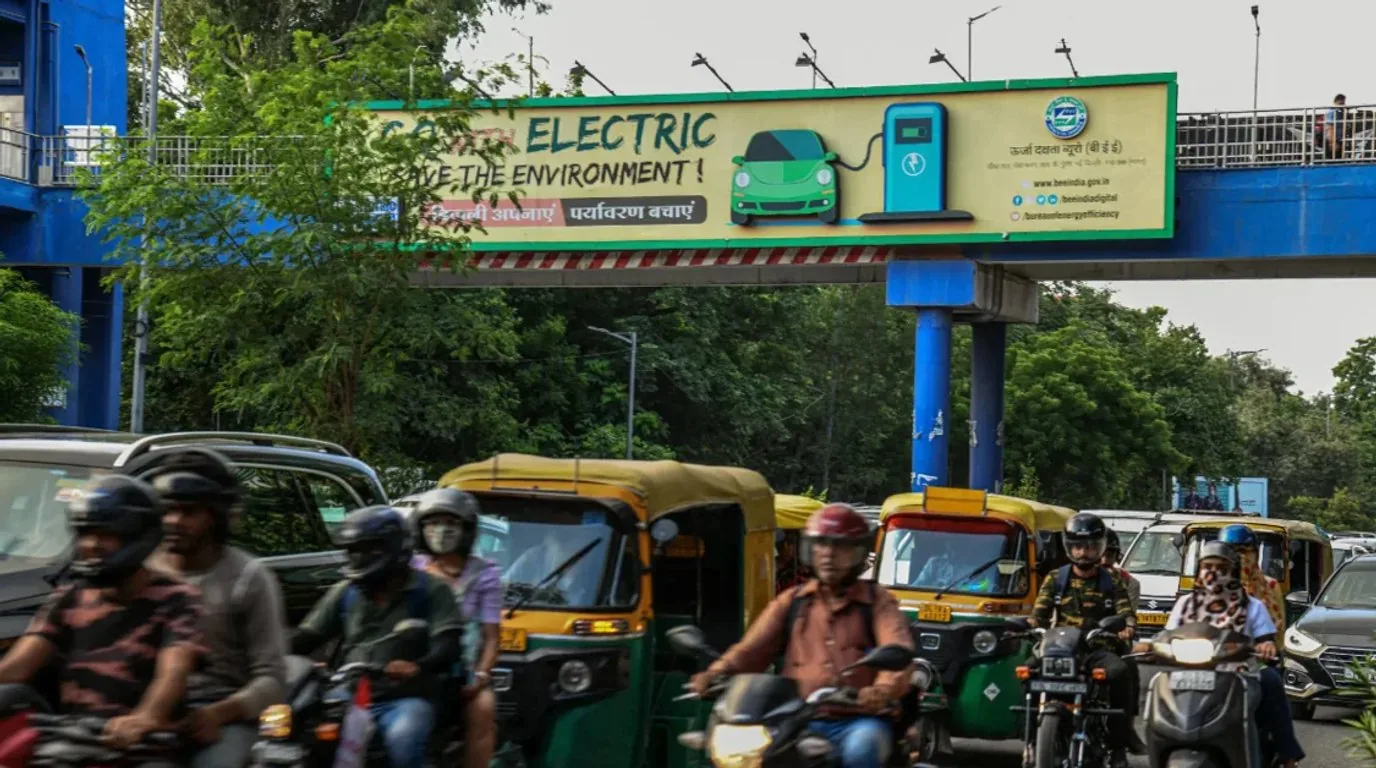
Electric passenger rickshaw fleet lined up in New Delhi
electric_rickshawPassenger Duty Cycle

Passenger e-rickshaw duty in Dhaka and Chittagong

Bangladesh runs its electric three-wheelers on passengers: Easy-Bikes and passenger e-rickshaws absorb commuter feeder traffic and short-hop hire work with four to five passengers aboard, constant stops and starts, and roughly 120 km a day. That is the mirror image of Ghana’s cargo-led duty, and the configuration logic inverts with it.

Easy-Bike passenger duty48V / 51.2V 16S platformOpposite centre of gravity to Ghana cargo
  • Mainstream vehicles: Easy-Bikes and passenger e-rickshaws, mostly 48V systems built from four 12V lead-acid blocks in series or already converted to lithium. Small bodies and tight turning circles suit the congested lanes of Dhaka and Chittagong.
  • Passenger duty profile: four to five passengers, frequent stops and starts, about 120 km a day (the passenger three-wheeler row of the ah-range commercial vehicle matrix), 55–68 Wh/km, with a 100–120 km target range.
  • How this differs from cargo duty: passenger work is high-frequency light-load pull-away — current peaks are dense but sustained power demand is modest. Cargo work is long high-torque output with continuous discharge pressure. Passenger duty therefore calls for a 48V / 51.2V 16S platform with a wide transient over-current window, and only mixed cargo or hilly heavy-load routes justify stepping up to 72V.
  • Charging rhythm: where daily distance approaches 120 km with no midday top-up window, specify the 120Ah tier or a parallel double pack rather than pushing depth of discharge beyond the recommended window for range.
  • Compounding losses: summer heat, monsoon standing water and unpaved stretches all inflate consumption further, so capacity must be quoted on a road-resistance-corrected basis to keep delivered range aligned with the datasheet.
groups4–5 passengersLoaded passenger count
bolt55–68 Wh/kmPassenger duty consumption
route≈120 kmAverage daily distance (passenger basis)
speed100–120 kmTarget range
paymentsPrice by Capacity

Relative price tiers by capacity on the 48V / 51.2V platform (no amounts)

Searching “48v lithium battery price in bangladesh” usually returns one isolated figure, but a 48V platform price is never a single figure: it is set by voltage platform and series count, capacity tier, cell grade, BMS current class and communication configuration, enclosure protection class, shipping method and trade terms. The table below orders one series internally to position the selection; the formal quotation governs the price.

48V / 51.2V primary, 72V as a step-up for heavy loads
Capacity tierVoltage / nominal energyTypical dutyTarget rangeRelative price tierMatching model
Common entry tier51.2V 100Ah (5.12 kWh)4–5 passengers, up to 100 km a day100–110 kmRelative baselineVT-48100-AIS156-MAX
Local workhorse tier51.2V 105–120Ah (5.37–6.14 kWh)Regular passenger shifts around 120 km a day105–120 kmBaseline + one tierVT-48100-AIS156-MAX (120Ah configuration)
Long-shift tier51.2V 120Ah parallel double packDouble-shift or longer intercity passenger workRecalculated on the parallel net capacity (about twice a single pack)About twice the single-pack baseline (excluding the second BMS and parallel harness)Parallel double-pack scheme · BMS must support paralleling
Step-up heavy tier72V 160–200Ah (11.5–14.4 kWh)Mixed cargo work or heavy passenger duty on hilly routes90–110 km (heavy-load basis)Baseline + one tier to baseline + two tiersVT-72180-CARGO-PRO

A relative tier orders one series internally and represents no specific amount. Actual pricing is modelled from destination port (Chittagong), capacity tier, BMS and enclosure configuration and motor power as an FOB / CIF quotation; the safety case and paralleling protocol for a double pack must be confirmed at quotation stage.

Specification notice:The figures above are engineering reference values. They may differ with production batch, configuration and actual duty cycle, and the percentages for life, efficiency, availability and coverage are engineering estimates and bench references. Contact us for the detailed specification sheet.

tuneWhat Sets the Price

The five inputs that set a 48V lithium battery price

One question — what does a 48V lithium battery cost — spans 100Ah against 120Ah, a simple case against an IP67 steel enclosure, a basic protection board against a CAN-capable smart BMS, and EXW against CIF. These five inputs set the price, and they also decide whether the pack survives in service.

battery_charging_full

Capacity tier and cell grade

On the same 51.2V platform, a 100Ah pack uses roughly 20% fewer cells than a 120Ah pack. Cell grade sets life at the same time: we use Tier-1 A-grade automotive LiFePO4 only, never graded or salvaged cells, rated 3,500 cycles at 1C with ≥80% SOH.

51.2V 100Ah = 5.12 kWh
electric_meter

Voltage platform and series count

Local passenger duty runs on 48V systems — 16S LiFePO4 at 51.2V nominal and 58.4V full charge — which lands close to the full-charge voltage of four 12V lead-acid blocks in series. Stepping up to 60V or 72V raises controller withstand, cable cross-section and insulation requirements together, and the cost moves with them.

16S · 51.2V nominal · 58.4V full
developer_board

BMS current class and communication

Charge and discharge current class, CAN or Modbus-RTU integration with the vehicle instrument cluster, active balancing and remote fault-code reading all change BMS cost — and they decide whether a fleet can run per-vehicle diagnostics and preventive maintenance.

Over-current window · CAN · active balancing
shield

Enclosure protection and structure

An IP67 steel enclosure with a potted BMS bay is what monsoon wading and high ambient heat require. A simple case costs less, but sealing and heat rejection differ, and under wading and heat that difference shows up in replacement frequency.

IP67 · potted BMS bay
local_shipping

Shipping method and loading volume

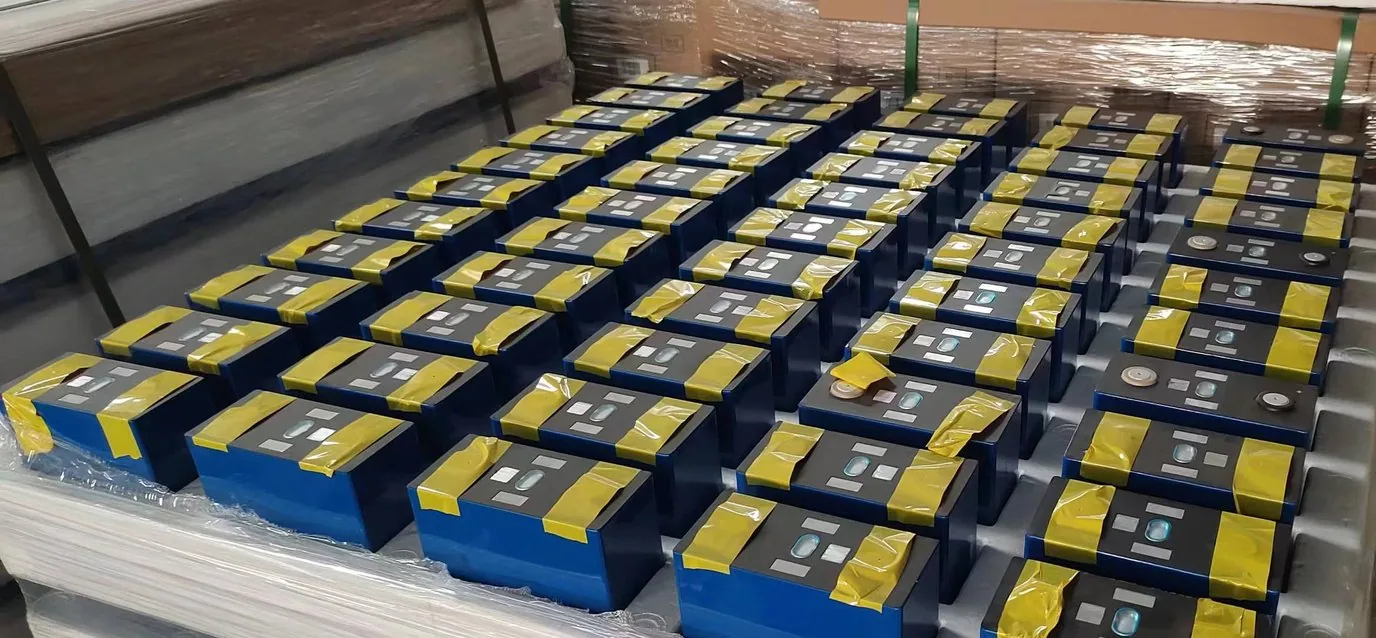
Roughly 180 packs fit a 20GP and 320+ a 40HQ; samples can travel as compliant dangerous goods by air or as LCL sea freight. Full container against LCL and air against sea have their own unit-cost structures, and the choice is carried into the final quotation.

≈180 / 20GP · 320+ / 40HQ
payments

Trade terms and settlement

EXW, FOB and CIF carry different boundaries of responsibility, so they do not produce the same number, and a Form E certificate of origin can be issued. Container orders ship with a matched ratio of core consumables, confirmed at quotation stage.

EXW / FOB / CIF · Form E
savingsLocal Cost Comparison

Existing lead-acid against the lithium upgrade

A large share of local passenger three-wheelers still run the 48V system built from four 12V lead-acid blocks in series. Lead-acid is cheap to buy in, but usable capacity, dead weight and cycle life are all constrained; lithium moves the cost up front and spreads it over 3,500 cycles.

warning

Existing lead-acid (48V, 4 × 12V in series)

  • cancelNameplate against usable capacityOnly 50%–60% of nameplate is usableA 100Ah nameplate pack delivers appreciably less
  • cancelPack weight, same nominal capacityAbout 240 kg (lead-acid basis)Dead weight comes straight off passenger and climbing margin
  • cancelCycle life300–500 cyclesThen the whole set is bought again — repeated spending
  • cancelCharging and availabilityLong charging waits, tight midday top-up windowA shift is easily cut in two by charging time
  • cancelMaintenanceRegular electrolyte and terminal checksPacks live very different lives depending on upkeep
verified

TIANQIU LiFePO4 (51.2V 16S)

  • check_circleNameplate against usable capacity88%–90% DoD recommendedConfigured on net usable capacity, not padded nameplate Ah
  • check_circlePack weight, same nominal capacityAbout 81 kg (lithium basis)About 159 kg lighter than lead-acid
  • check_circleCycle life3,500 cycles at 1C, ≥80% SOHWarranty 5 years / 3,500 cycles
  • check_circleCharging and availabilityMidday top-up supported, shift planning stays flexibleBMS charge strategy can follow the shift pattern
  • check_circleMaintenanceNo water top-up; cell voltages readable remotelyFleets can check health vehicle by vehicle
local_shippingDelivery, Ports & Compliance

Container delivery into Chittagong, documents and who clears

Bangladesh’s main gateway is the Port of Chittagong, with inland transfer onward to Dhaka after arrival. Clearance is carried out by the buyer or the local importer; we supply the export-side documents and all supporting technical data.

  1. 01description

    Every shipping document prepared up front

    UN38.3 test summaries, MSDS with the maritime transport condition appraisal and the dangerous-goods packaging appraisal result sheet (the Chinese DG packing certificate) ship with the container, and a Form E certificate of origin can be issued. Filing drawings, cell datasheets and BMS logic diagrams are supplied in English.

    UN38.3 · MSDS · packing certificate · Form E
  2. 02directions_boat

    Class 9 container sailings into Chittagong

    Shipped from Yantian, Shekou or Nansha as UN3480 (Class 9) dangerous goods on a full-container booking. Roughly 180 packs fit a 20GP and 320+ a 40HQ; mixed specifications get a stowage plan built from carton dimensions and weight distribution inside the segregation rules.

    ≈180 / 20GP · 320+ / 40HQ
  3. 03inventory_2

    Pilot batches and local road testing

    Standard models sample in 3–5 days. Pilot batches of 1–10 units can fly as compliant dangerous goods or go by LCL sea freight, each with installation instructions, commissioning harnesses and the PC tuning software. The published capacity and consumption from those packs then set the full-container specification.

    Sampling 3–5 days · pilot batches 1–10 units
  4. 04gavel

    Who clears, and the access basis

    Clearance is completed by the buyer or the local importer at Chittagong; we provide document support and pre-entry cross-checks. Destination access requirements are subject to current Bangladeshi regulations, and the certification holder is normally the local importer or OEM — we supply the full technical basis for filing.

    Clearance holder: buyer or local importer
  5. 05payments

    Trade terms and container scheduling

    EXW / FOB / CIF with conventional TT or L/C settlement. Factory scheduling normally runs 15–20 days, and each container ships with a matched ratio of core consumables: BMS protection boards, high-current connectors, harnesses and chargers.

    EXW / FOB / CIF · scheduling 15–20 days
helpBangladesh Desk FAQ

What Bangladeshi buyers and fleets ask us most

Roughly what does a 48V lithium battery cost in Bangladesh?expand_more
A 48V platform price is set by five inputs: capacity tier (100Ah or 120Ah), voltage platform and series count, BMS current class and communication configuration, enclosure protection class, and shipping method with trade terms. Send the vehicle, daily distance and target capacity tier and we model an FOB / CIF quotation. We publish no fixed amount, because a unit price that ignores capacity and terms usually turns into rework or a downgrade at installation.
Why can you not just give us one fixed price?expand_more
Because on the same 48V platform a 100Ah pack uses roughly 20% fewer cells than a 120Ah pack, and the BMS current class, enclosure structure and protection class differ too — before container against LCL, air against sea and EXW against CIF are even counted. Our approach is to confirm the capacity tier and the configuration list first, then issue a price build-up you can verify, rather than quoting a number and bending the configuration to fit it.
How long from order to container pickup at Chittagong?expand_more
Standard models sample in 3–5 days and container scheduling normally runs 15–20 days; the sea leg follows the carrier’s sailing and slot schedule, with confirmed dates issued at booking, and Dhaka-bound cargo transfers inland after arrival. Clearance is completed by the buyer or the local importer at Chittagong, and UN38.3, MSDS, packing certificate and Form E travel with the container so nothing must be filed after arrival.
Does one pack cover a full day of work?expand_more
A 51.2V 100–120Ah pack holds 5.12–6.14 kWh nominal, which at 55–68 Wh/km gives a 100–120 km target range. Where a shift runs about 120 km with four to five passengers and constant stop-start, take the 120Ah tier with one midday top-up, or go to a 120Ah parallel double pack. Stretching depth of discharge beyond the recommended window to buy range is not the answer.
Can an existing lead-acid pack be swapped for lithium directly?expand_more
Yes, in place. Four 12V lead-acid blocks in series reach 56–58V at full charge, which lines up closely with 16S LiFePO4 at 51.2V nominal and 58.4V full charge, so it fits once bay dimensions and connectors are checked. Never step up to 60V or 72V unilaterally: the added voltage stacks on back-EMF peaks, can punch through controller MOSFETs or destroy the instrument cluster, and leaves the motor running in the overspeed field-weakening region.
How do we source locally in Bangladesh, and how is after-sales handled?expand_more
We supply container-direct volumes and work with in-country distributors. Container orders ship with a matched ratio of core consumables — BMS protection boards, high-current connectors, harnesses and chargers — and historical BMS fault codes can be read through the host software for remote diagnosis, enabling air-and-ground coordinated repair. Start with a pilot batch of 1–10 units for road testing; comparable fleet references are available under NDA.
What certification does Bangladesh require for imported traction lithium batteries?expand_more
Destination access requirements are subject to current Bangladeshi regulations, and the certification holder is normally the local importer or OEM. We cover the export and documentation side: UN38.3 test summaries, MSDS, the maritime transport condition appraisal, the dangerous-goods packing certificate and a Form E certificate of origin, plus filing drawings, cell datasheets, BMS logic diagrams and English test reports.
Passenger duty means constant stop-start — will the pack hold up?expand_more
Platform continuous discharge is 150–250A with 3C short-term peak and a wide transient over-current window, so loaded pull-away and continuous stop-start do not cause a false cut-out. The enclosure is IP67 steel with a potted BMS bay, and the operating window is -20℃ to 65℃ with high-temperature derating and low-temperature current limiting.
request_quoteBangladesh Desk Enquiry

Send the vehicle, daily distance and target capacity tier — we pull the Bangladesh desk configuration

Give us the vehicle (Easy-Bike or passenger e-rickshaw), daily distance, passenger count and target capacity tier, and the South Asia desk lead replies within 24 hours on working days with the full Bangladesh package: the passenger duty matrix and capacity tier, Chittagong container stowage and loading volume, the document list that ships with it and a CIF cost model.

  • 51.2V 100Ah and 120Ah primary tiers apply directly, with double-pack options modelled alongside
  • 20GP / 40HQ mixed stowage and Class 9 dangerous-goods booking supported
  • Fleet data and chassis dimensions can be submitted after a mutual NDA
mailSouth Asia desk lead: sales@erickshawtrikebattery.com
callExport line / WhatsApp: +86 13922702227 (English spoken)
location_onShipped from Yantian / Shekou / Nansha · containers consolidated within 48 hours
scheduleBangladesh desk package returned within 24 hours on working daysverifiedUN38.3 / MSDS / packing certificate / Form E supportinventory_2Core consumables matched to every container order

Specification notice:The figures above are engineering reference values. They may differ with production batch, configuration and actual duty cycle, and the percentages for life, efficiency, availability and coverage are engineering estimates and bench references. Contact us for the detailed specification sheet.

lockProtected by NDA

The chassis dimensions, operating data and purchase volumes you submit stay strictly confidential. A mutual NDA can be signed first.