
E-rickshaw battery 150Ah:the number means two different things at two voltages
Here is the answer first. 150Ah is not energy; it is current capacity. Energy is kWh = Ah × nominal volts.
· 48V / 60V platform (16S LiFePO4, 51.2V nominal — the same pack under two sales labels): 150Ah = 7.68 kWh, which targets 120–140 km on passenger duty (55–68 Wh/km);
· 72V platform (24S LiFePO4, 76.8V nominal): 150Ah = 11.52 kWh, which would run 170–210 km on passenger duty — but its standard duty is heavy cargo (95–125 Wh/km), where it targets 90–110 km.
So before asking how far 150Ah goes, ask which voltage platform; before asking what 150Ah costs, ask whether it is 16S or 24S. This page settles both, lists the five things that set the price, and quotes no amounts at all.
verifiedEnergy is computed at factory nominal voltage. Range figures are converted from typical averages at full load, 35°C ambient and paved to lightly unpaved surfaces, not nameplate claims. The specification sheet shipped with your container governs.
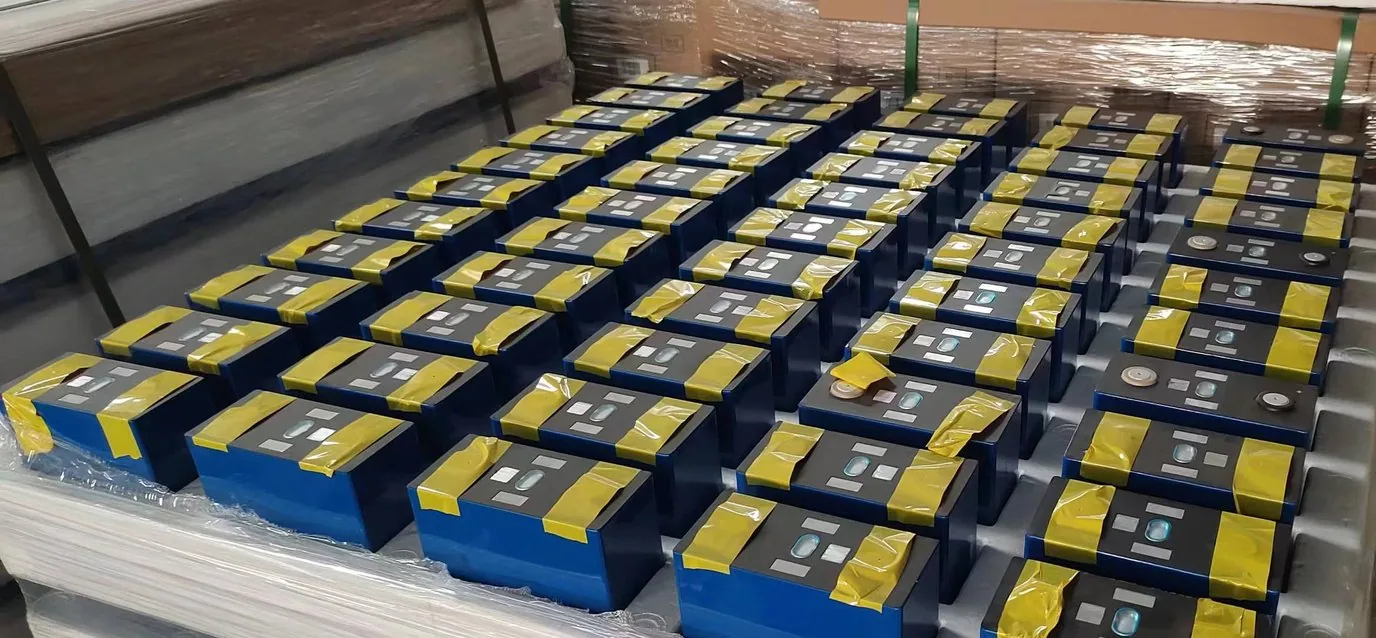
150Ah across two platforms: one number, two energies
Both rows say 150Ah; only the series count differs. Energy is computed at nominal voltage (51.2V / 76.8V) and pack weight at about 7 kg/kWh including steel enclosure, BMS and harness (±5%). Both the passenger and the heavy-cargo range are shown because the same pack on a different duty cycle answers a completely different question.
| Platform / series | Nominal voltage | 150Ah nominal energy | Pack weight (typical) | Passenger 55–68 Wh/km | Heavy cargo 95–125 Wh/km | Typical vehicle fit |
|---|---|---|---|---|---|---|
| 48V / 60V platform (16S LFP) | 51.2V | ≈ 7.68 kWh | ≈ 54 kg | 120 – 140 km | 60 – 80 km | Light passenger duty, long shifts on flat routes; drop-in for 5×12V lead-acid bays |
| 72V platform (24S LFP) | 76.8V | ≈ 11.52 kWh | ≈ 81 kg | 170 – 210 km | 90 – 110 km | Heavy cargo tricycles, routes with frequent gradients |
The point buyers get misled on most often: a sales claim of "150Ah, big capacity" usually assumes a 12V or 48V basis. On a 72V (24S) vehicle that label is 11.52 kWh; on a 16S vehicle it is 7.68 kWh. A 1.5x spread in energy, and therefore in both range and price. The full capacity and range derivation is in the capacity and range engineering guide.
Specification notice:The figures above are engineering reference values. They may differ with production batch, configuration and actual duty cycle, and the percentages for life, efficiency, availability and coverage are engineering estimates and bench references. Contact us for the detailed specification sheet.
Both labelled 150Ah: lead-acid releases half, lithium nearly nine tenths
The second thing that gets missed: nameplate capacity is not usable capacity. To protect plate life, lead-acid is typically discharged only 50–60% before it needs recharging, while LiFePO4 is specified at 88–90% depth of discharge. At the same 150Ah label, the usable energy differs by about 1.7x.
Factory lead-acid 150Ah
Nominal rating of a 4×12V or 6×12V series set- cancelUsable capacity50–60%Roughly 75–90Ah usable from a 150Ah label — the rest is dead zone held back against sulphation
- cancelCycle life300 – 500 cyclesOften under 300 on stop-start passenger duty with deep discharge
- cancelAssembled weight (72V basis)≈ 240 kgOn a passenger vehicle that weight comes straight out of paying seats
- cancelCharging per shiftHeavy or long routes normally need a midday top-up
LiFePO4 150Ah
Same nominal capacity · 16S / 24S- check_circleUsable capacity88–90% DoD recommendedAbout 132–135Ah usable, roughly 1.7x the same-label lead-acid set
- check_circleCycle life3,500 cycles1C charge/discharge to ≥80% SOH, 5-year / 3,500-cycle warranty
- check_circleAssembled weight (72V basis)≈ 81 kgAbout 160 kg lighter than lead-acid — two to three passengers of payload margin
- check_circleCharging per shiftOne pack covers the daySized on real daily distance plus 20% margin, not on a midday top-up
Five things set the price — this page gives the basis, not a number
Two quotations for the same "150Ah" can differ several fold, and it is never because one factory is greedier: it is because one of these five inputs differs. Fill all five in and any factory quote becomes comparable. This page publishes no amounts; the formal quotation governs.
- 01bolt
Voltage platform and series count: 16S / 24S
Series count sets the energy (see the table above) and also the BMS sense channels, MOSFET count and charger specification. A 24S 150Ah pack carries 50% more cells than a 16S 150Ah pack, plus an extra sense and protection loop — they are never in the same price band. Confirm the series count before comparing anything.
16S = 51.2V (48V / 60V shared) · 24S = 76.8V (72V) - 02battery_5_bar
Cell grade and consistency basis: Tier-1 A-grade, or graded stock
This is the largest single driver of price difference and the hardest to see from outside. We use Tier-1 A-grade cells only and refuse graded or dismantled cells, the factory matching spec on the battery spec sheet is ΔV ≤ 3 mV with internal-resistance spread ≤ 0.5 mΩ, and the spread records ship with every pack for inbound re-check. A 150Ah pack built from graded cells often measures fine for three months, then the spread opens, the weakest cell bottoms out first and usable energy collapses.
Factory matching spec: ΔV ≤ 3 mV / ΔIR ≤ 0.5 mΩ (see spec sheet) - 03shield
Structure and function options: enclosure, swapping, comms
IP67 steel enclosure and a potted BMS bay are standard. Above that, whether the pack needs a quick-release swap structure, CAN 2.0B for a fleet platform, or anti-theft positioning all enters the price. These are not accessories — they decide whether the pack can join a swap network and be managed by a fleet platform.
Standard IP67 steel case + potted BMS bay - 04description
Documents with the container and market access
Transport always requires UN38.3, MSDS and a dangerous-goods packing certificate (Class 9). Market access depends on the destination — India AIS-156 Phase 2, Indonesia SNI, South Africa NRCS LOA, Nigeria SONCAP, Kenya PVoC / KEBS, Sri Lanka SLS 1656. Which documents, issued by whom, and whether samples must be tested, all move both schedule and cost.
UN38.3 / MSDS / Class 9 packing certificate with every container - 05local_shipping
Trade terms, container loading and lead time
The same pack lands at a different cost under EXW, FOB and CIF, and the difference is entirely ocean freight, insurance and destination charges. A 20GP holds about 180 packs and a 40HQ more than 320; sampling takes 3–5 days. Give us destination port, payload, daily distance and motor rating and we can model FOB / CIF and container allocation.
20GP ≈ 180 packs · 40HQ 320+ · sampling 3–5 days
The six questions a 150Ah e-rickshaw battery always raises
How far will a 150Ah battery actually take me?expand_more
Why do lead-acid and lithium differ so much in usable energy at the same 150Ah?expand_more
How much more does 150Ah cost than 100Ah, and is it worth it?expand_more
How can I tell whether a 150Ah pack is overrated?expand_more
If the capacity is short, can I parallel two 150Ah packs?expand_more
What does a 150Ah battery cost?expand_more
Fix the series count, then get a firm quotation for your duty cycle
Tell us whether you need 16S or 24S (48V and 60V are both 16S), plus destination port, payload, daily distance and motor rating. We will return selection advice, FOB / CIF pricing, container allocation and lead time, with the shipping document list attached.
- Selection advice and pricing within 24 hours on working days
- Sample packs available to prove the real daily distance before you commit to a container
- Fleet size, routes and market-access documents are strictly confidential; NDA available first
Specification notice:The figures above are engineering reference values. They may differ with production batch, configuration and actual duty cycle, and the percentages for life, efficiency, availability and coverage are engineering estimates and bench references. Contact us for the detailed specification sheet.