
China electric tricycle battery suppliers:separate the factory from the trader before you argue price
Sourcing traction batteries from China rarely fails on price. It fails on three things: whether the company quoting you owns the production line, whether it can issue the export documents itself, and who is accountable when something goes wrong. This page sets out factory versus trader, the container document list, loading volumes and ports, payment and trade terms, and the three buying traps to check before you order.
verifiedThe manufacturing base is in Dongguan, Guangdong; shipment runs mainly through Yantian / Shekou and Guangzhou Nansha. Volumes, sailings and documents are governed by the signed quotation and contract.
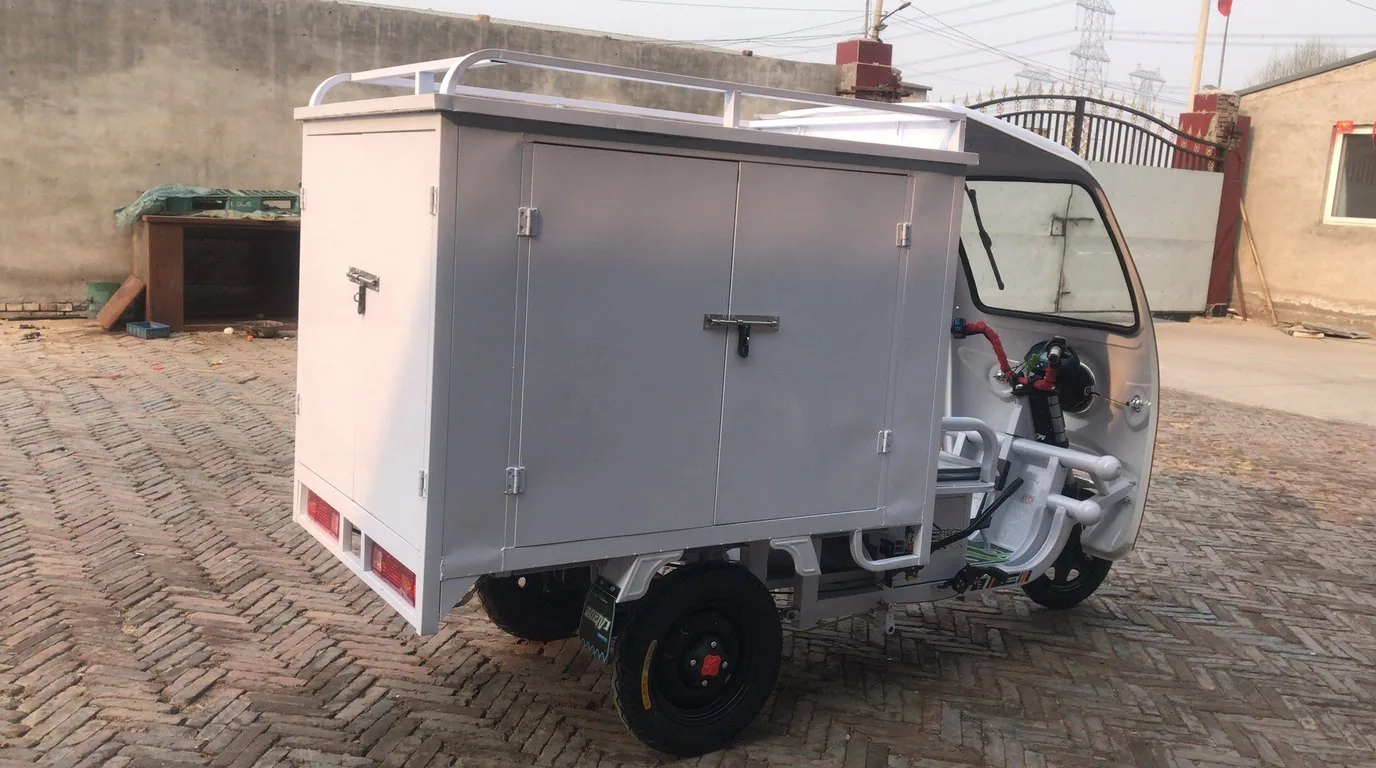
Four facts to hold before you buy
Specification notice:The figures above are engineering reference values. They may differ with production batch, configuration and actual duty cycle, and the percentages for life, efficiency, availability and coverage are engineering estimates and bench references. Contact us for the detailed specification sheet.
Factory or trader: five differences that matter
A trading company is not automatically wrong — but customisation, document responsibility and after-sales ownership must be written into the contract. These five lines are the easiest to verify and the most likely to fail.
Trading company / middleman
Passes the order to someone else- cancelProduction linesNone ownedThe order is placed with a third-party factory, so process and lead time sit outside their control
- cancelQuality inspectionRelies on the contract factory, so cell batch, voltage spread and capacity consistency cannot be independently re-checked before shipment
- cancelWho is accountableSits between the factory and the buyer, blurring responsibility and stretching replacement or claim cycles
- cancelOwns the documentsUN38.3 and the packing certificate must be requested from the factory or a third party, and nobody backs the buyer when details disagree
- cancelPrice build-upFactory price plus margin, with an opaque structure that is hard to compare
Factory direct (TIANQIU)
Own lines · own QC · own documents- check_circleProduction linesOwn lines and workshopsTIANQIU Energy Industrial Park, Machong, Dongguan with 50+ automated lines; on-site audit or video tour can be booked
- check_circleQuality inspection100% finished-goods inspectionFunction and appearance, full batch-code traceability; in-house testing for discharge, internal resistance, thermal shock, salt spray, vibration and humidity
- check_circleWho is accountableOne entity carries the battery, BMS and after-sales responsibility; the spare-parts kit, remote diagnostics and local replacement are supported by the maker directly
- check_circleOwns the documentsUN38.3, the sea and air dangerous-goods appraisal reports and the export compliance documents are handled by the factory export team and can be verified
- check_circlePrice build-upFactory directNo middle margin; EXW / FOB / CIF quoted against destination port, payload, daily distance and motor rating
Export document list: what each one does and who issues it
Lithium batteries ship as UN3480 / Class 9 dangerous goods, so an incomplete document set blocks a legitimate booking. Below is what travels with the container, what it is for, and who issues it.
| Document | What it does | Issued by |
|---|---|---|
| UN38.3 test summary report | Proves the cells and pack passed the eight T1–T8 transport safety tests; required for carrier booking and destination inspection | Accredited third-party test house |
| MSDS (16-section safety data sheet) | Describes hazard characteristics, emergency response and physico-chemical data; reviewed at customs, by the carrier and at destination | Accredited appraisal / test body, on the maker’s letterhead |
| Dangerous-goods packing certificate | Proves the packaging passed drop, airtightness and stacking tests and that battery serials match carton numbers; the precondition for a Class 9 booking | Local Customs (dangerous-goods packaging appraisal result sheet) |
| Maritime transport condition appraisal | Determines the transport conditions, stowage and segregation requirements for UN3480 | Accredited appraisal body |
| Form E certificate of origin | Claims tariff preference in applicable destinations; content must match the bill of lading and invoice or the preference is refused | China Customs / CCPIT |
| Commercial invoice and packing list | Used for export declaration, destination clearance and cargo check; model, quantity and carton numbers must match the packing certificate | The exporter (TIANQIU) |
| Ocean bill of lading and market-access files | The B/L is the title document; access files are added per market, e.g. India AIS-156 Phase 2, Indonesia SNI, South Africa NRCS LOA, Nigeria SONCAP, Kenya PVoC | Carrier / destination authority or authorised inspection body |
The commonest failure is a mismatched set: the battery nameplate, the packing certificate and the declaration must carry identical characters. Every batch we ship is archived by batch code, and original scans can be released for third-party verification.
Specification notice:The figures above are engineering reference values. They may differ with production batch, configuration and actual duty cycle, and the percentages for life, efficiency, availability and coverage are engineering estimates and bench references. Contact us for the detailed specification sheet.
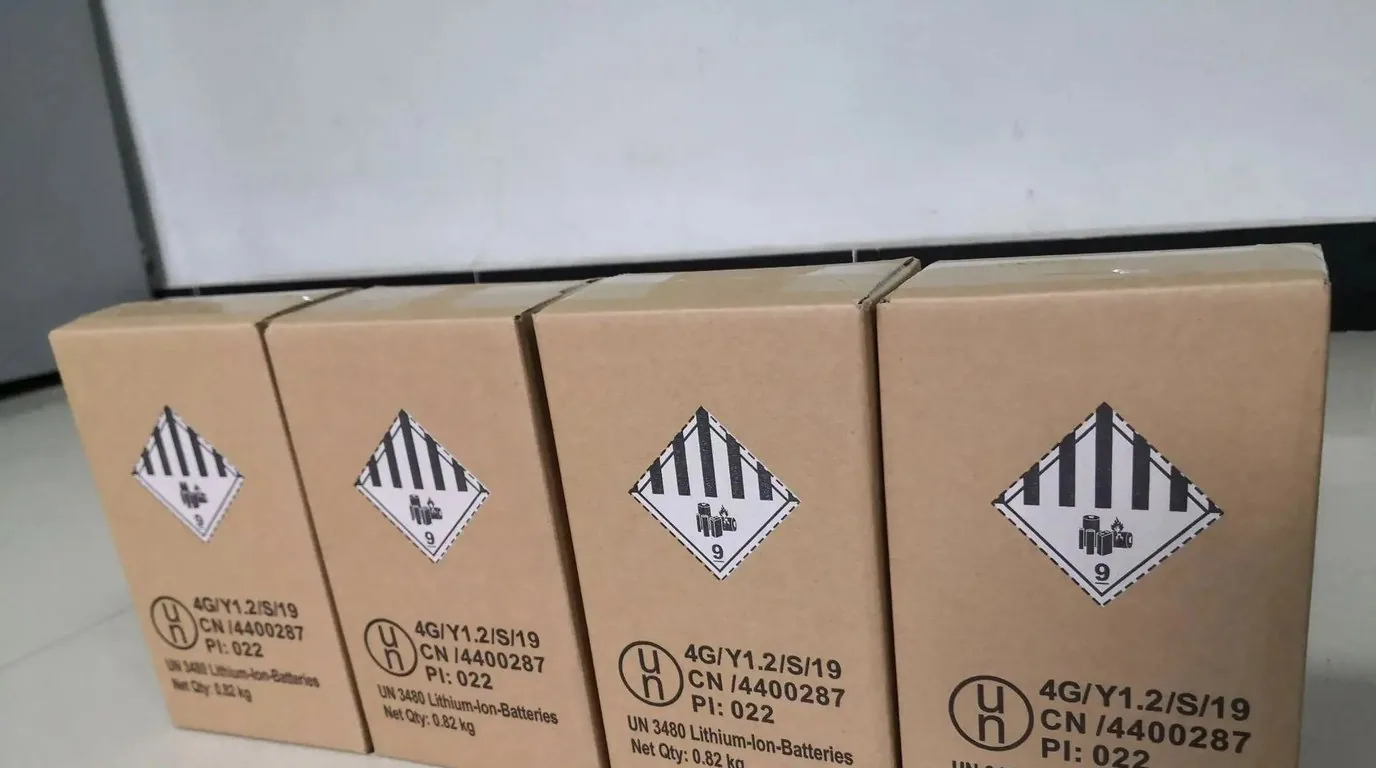
Loading and ports: why Guangzhou and Shenzhen are the nearest
The manufacturing base sits in Machong, Dongguan, Guangdong — so shipment naturally leaves through the Shenzhen and Guangzhou ports.
Supply originates in Guangdong, China: the manufacturing base is the TIANQIU Energy Industrial Park in Xinji Village, Machong, Dongguan, and the export entity is Guangdong TIANQIU Electronic Technology Co., Ltd. Shipments therefore run mainly through Yantian / Shekou in Shenzhen and Guangzhou Nansha. A 20GP container carries about 180 sets; a 40HQ carries 320+, depending on pack size and whether a spare-parts kit travels with the container.
- Yantian / Shekou, Shenzhen: major South China deep-sea gateways with dense sailings to Europe, the Americas, the Middle East, South Asia and Africa — suited to long-haul full containers.
- Guangzhou Nansha: closer to the Dongguan base, cutting trucking time and cost, and well matched to Southeast Asia and Middle East routes.
- Why the nearest port matters: the battery is a Class 9 dangerous good, so the shorter the inland leg and the fewer the transfers, the less the packaging and container lashing are exposed to shock — and the easier the declaration and inspection points are to control.
- Container load: about 180 sets per 20GP and 320+ per 40HQ; mixed models and spare-parts kits reduce the count per container, and we model that at quotation stage.
- EXW / FOB / CIF available; the signed contract governs
- Pricing is modelled against destination port, payload, daily distance and motor rating
- Payment method is confirmed by order value and region, as agreed in the contract
- Documents are configured to the destination: UN38.3, MSDS and the packing certificate, with market-access files added as required
Common buying traps and who is accountable
Trap 1 · Inflated capacity
The label claims more capacity than the pack discharges, and the vehicle delivers noticeably less range than expected. How to check: ask for 0.2C / 1C charge-discharge curves and a batch capacity report, and compare pack weight against claimed energy (roughly 7 kg/kWh on this platform).
Trap 2 · Second-life and salvaged cells
Packs rebuilt from retired or salvaged cells cost less up front but offer no guaranteed consistency, cycle life or safety. We use Tier-1 A grade cells only and refuse second-life and salvaged material — a point written into the specification sheet.
Trap 3 · Incomplete documents
A pack without a packing certificate cannot be booked legitimately, and declaring pure lithium cells as general cargo risks seizure, fines and carrier blacklisting. Before ordering, verify that the UN38.3, MSDS and packing certificate cover the same batch and the same model.
Who is accountable
The warranty basis is 5 years / 3,500 cycles. We recommend writing accountability into the contract: which entity carries the battery, BMS and after-sales responsibility, and the response path for the spare-parts kit, remote diagnostics and local replacement.
Sourcing traction batteries from China: common questions
How do we confirm a supplier is a factory, not a trader?expand_more
Is the document set complete, and what is included?expand_more
How long does it take to reach my port?expand_more
How do we pay?expand_more
Can we start with a small batch?expand_more
What happens if something goes wrong?expand_more
Will the price increase later, or the cells be swapped for cheaper ones?expand_more
Can you build under our own brand?expand_more
Three pages to check next
Own production lines and QC
Lines, workshops, test stations and how to arrange an audit — confirm the maker before discussing price.
Open the manufacturer pagearrow_forwardFull OEM / ODM customisation
Voltage, capacity, enclosure, connectors, protocol and nameplate ranges, plus the sampling flow.
Open the OEM / ODM pagearrow_forwardShipping and compliance
The eight UN38.3 tests, the packing certificate application and the full Class 9 container workflow.
Open the compliance guidearrow_forwardGet a factory-direct quote and the container document list
Send the destination port, payload, daily distance and motor rating. We will model FOB / CIF pricing, the container volume and the delivery schedule, and attach the document list and audit arrangements.
- Quotation and selection advice within 24 hours on working days
- On-site factory audit or a live video tour can be arranged
- Vehicle data and commercial information stay confidential; NDA available first
Specification notice:The figures above are engineering reference values. They may differ with production batch, configuration and actual duty cycle, and the percentages for life, efficiency, availability and coverage are engineering estimates and bench references. Contact us for the detailed specification sheet.
Vehicle parameters, target market and commercial information you submit stay strictly confidential. An NDA can be signed first.