
Multi-voltage step-load comparison
Flat-road cruising and 20% heavy-gradient step loads are simulated in sync, monitoring torque build-up across the three voltages at identical axle power.
STEP-LOAD · 71.4V / 42.8A · 3850 RPMMany overseas buyers and OEM engineers assume that “more speed and more climbing torque simply means fitting a higher voltage” — and overlook controller back-EMF punch-through, motor insulation temperature rise and chassis battery-bay volume. TIANQIU uses dynamometer measurements so you can select the right voltage architecture for the real duty cycle and avoid expensive rework and burnt controllers.
verifiedStep load at 3850 RPM · transient back-EMF Vpeak 98.4V · 100V-rated MOSFET matching · bench data available for independent re-check
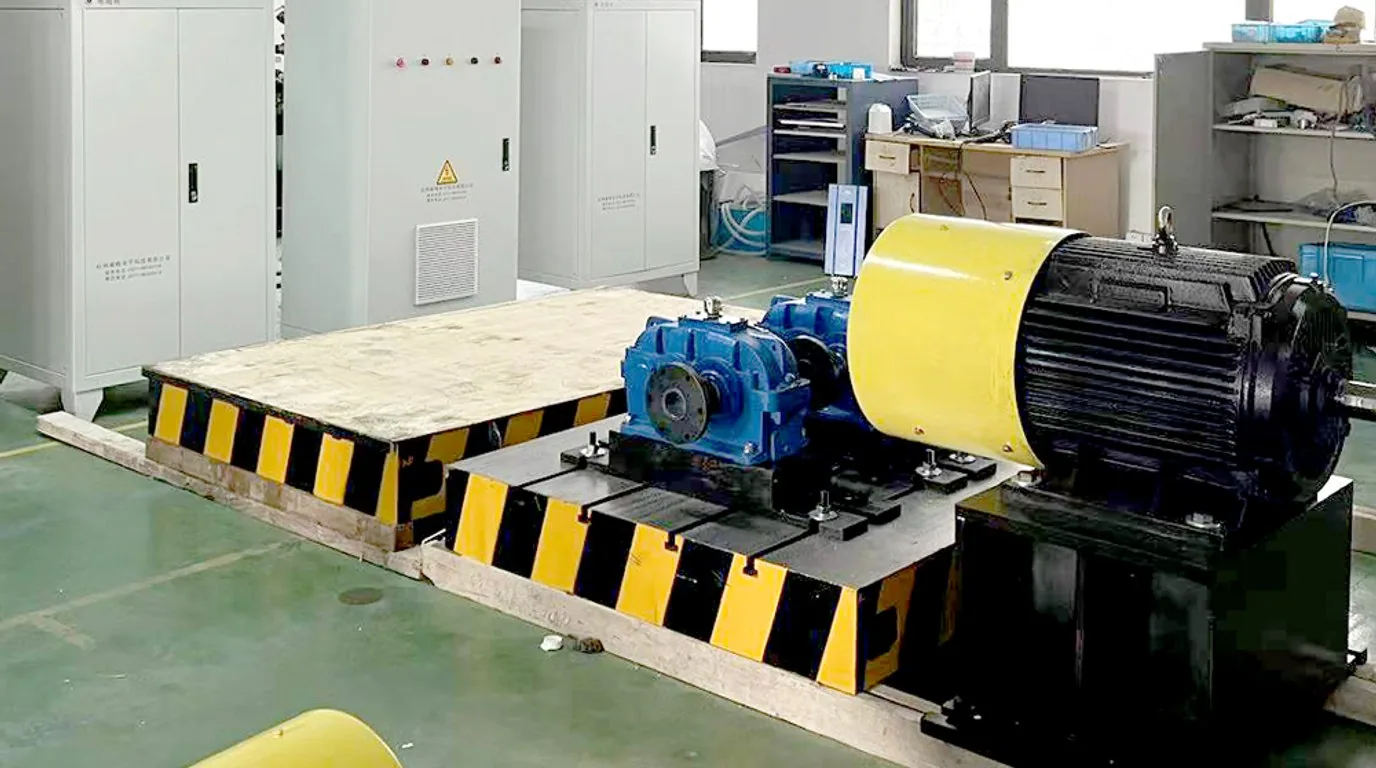
Three voltage platforms compared on the same dynamometer channel at the same 3000W rated load: the 72V improvement over 48V follows from Joule heating itself, not from control-strategy tuning.
Specification notice:The figures above are engineering reference values. They may differ with production batch, configuration and actual duty cycle, and the percentages for life, efficiency, availability and coverage are engineering estimates and bench references. Contact us for the detailed specification sheet.
Thermal fade and transient electrical behaviour of 48V, 60V and 72V systems under harsh tropical export conditions.
Flat-road cruising and 20% heavy-gradient step loads are simulated in sync, monitoring torque build-up across the three voltages at identical axle power.
STEP-LOAD · 71.4V / 42.8A · 3850 RPMCaptures the reverse voltage surge at regenerative braking and sudden throttle release, calibrating the avalanche-breakdown safety margin for the controller MOSFETs.
Vpeak 98.4V (72V system) · boundary met by 100V-rated MOSFETsChennai 50°C heat and tropical monsoon duty are the reference points: Joule heat generated in cell tabs, the main discharge connector and enamelled windings.
55°C ambient · ΔT 14.3°C @ 72V · 48V equivalent wire at 76.8°C · bus copper loss down 55.6%15S to 24S high-precision sampling with an automotive pre-charge circuit and contactor sticking detection at closure, protecting the bus around the clock.
Isolation > 500MΩ · response < 20μs hardware short-circuit cut-offPutting electrical, thermal, structural and market-access criteria in one table removes sales opinion from the selection.
| Parameter / dimension | 48V architecture 16S LiFePO4 | 60V architecture 16S LiFePO4 | 72V architecture 24S LiFePO4 |
|---|---|---|---|
| Nominal / full-charge cut-off voltage | 51.2V / 58.4V (16S) | 51.2V / 58.4V (16S) | 76.8V / 87.6V (24S) |
| Typical motor power range | 800W ~ 1500W | 1500W ~ 2500W | 2500W ~ 5000W+ |
| Continuous bus current at 3000W | ~ 58.6 A | ~ 58.6 A (same 16S pack as 48V) | ~ 39.1 A (33.3% lower than 16S) |
| Pull-away / climb transient peak (2C) | 120A ~ 160A | 120A ~ 160A | 75A ~ 95A |
| Recommended main harness cross-section | ≥ 16 mm² ~ 25 mm² | ≥ 16 mm² ~ 25 mm² (same current as 48V, so the same gauge) | ≥ 6 mm² ~ 10 mm² (easier routing) |
| Controller MOSFET voltage rating | ≥ 75V MOSFETs | ≥ 75V MOSFETs | Must be ≥ 100V ~ 120V automotive |
| Typical max economical cruise speed | 25 ~ 35 km/h | 40 ~ 50 km/h | 55 ~ 75 km/h+ |
| Vehicle insulation and safety class | Low-voltage body-safe (<60V) | Low-voltage body-safe (<60V) | Strict high-voltage rules (double insulation mandatory) |
| Primary export markets and vehicles | India E-Rickshaw passenger three-wheeler (AIS-156), SE Asian low-speed city runabouts, community delivery two-wheelers | Vietnamese / Indonesian city e-mopeds (50-60km/h swap standard), light agricultural cargo tricycles | Latin American heavy-gradient cargo tricycles, high-speed long-range delivery motorcycles, golf and sightseeing shuttles |
Fix the voltage platform before working through harness gauge, MOSFET rating and BMS selection — reversing that order causes batch rework. The BMS voltage array and overcurrent ladder are covered in the commercial BMS selection and CAN bus guide.
Specification notice:The figures above are engineering reference values. They may differ with production batch, configuration and actual duty cycle, and the percentages for life, efficiency, availability and coverage are engineering estimates and bench references. Contact us for the detailed specification sheet.
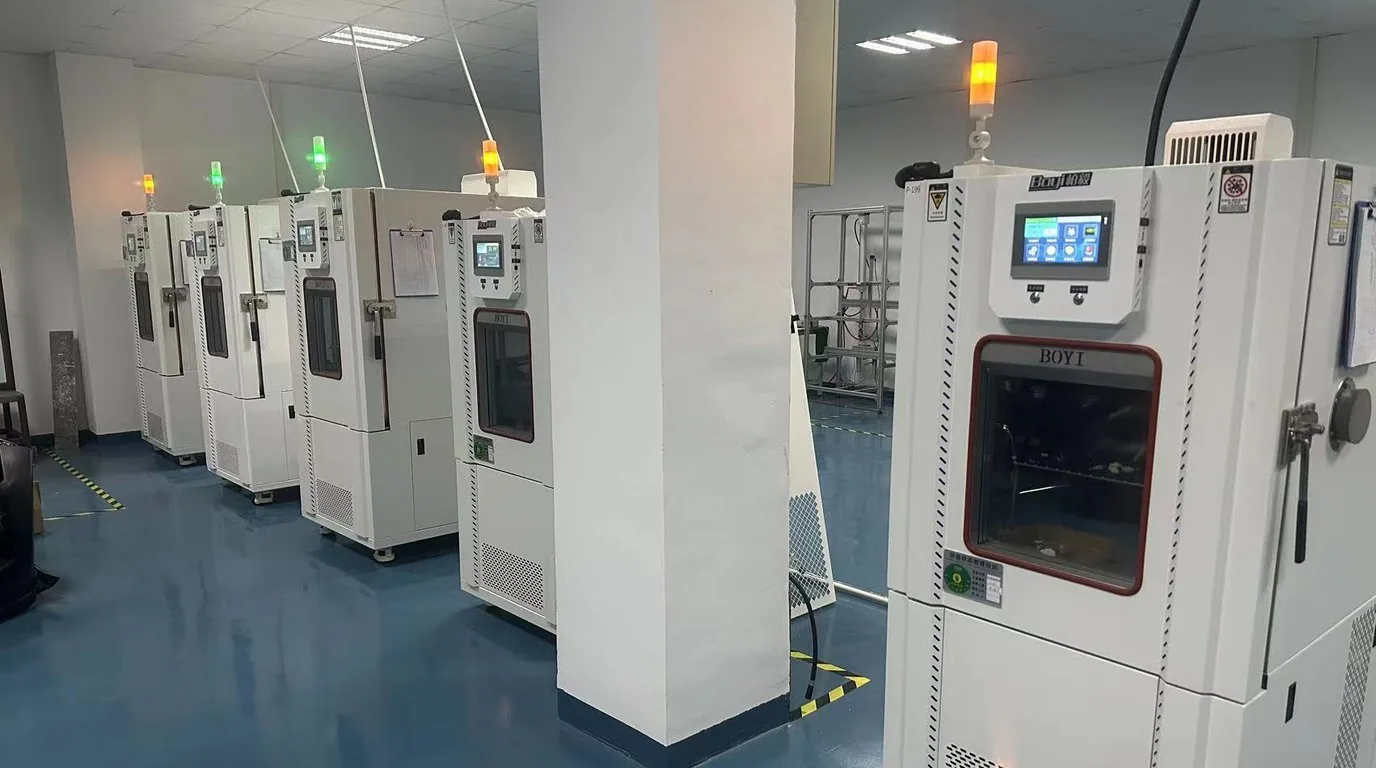
Rule-of-thumb assumptions are common among overseas OEMs and conversion shops, and they routinely end in burnt controllers, demagnetised motors and scrapped packs.
The standard engineering check sequence TIANQIU applies on turnkey export vehicle programmes. Worked in order, it converges on a single voltage platform.
Input kerb weight plus payload (e.g. 500kg of freight) and the maximum design parking or pull-away gradient. Above 15%, go straight to a 60V or 72V platform.
Metric: required peak axle torque (N·m)Using tyre rolling radius, gearbox ratio and motor KV, back-calculate the peak no-load back-EMF so that at full charge it stays below the controller voltage ceiling.
Metric: V_bemf < MOS_vds × 0.8Check the continuous current under sustained heavy load. If a 48V bus would exceed 60A, cable cross-section and connector heating costs climb steeply and you should move to 60V or 72V.
Metric: hot-state current density < 4.5A/mm²Check the chassis battery bay length, width and height, then match cell format (large blade cells vs 100Ah prismatic aluminium cases) for the best space utilisation at 16S or 24S.
Metric: volumetric packing efficiency > 65%Enter your vehicle design targets; the algorithm derives a recommended configuration from back-EMF, thermal load and energy efficiency.
For a 450kg laden weight at 45km/h cruise, a 60V system holds rated bus current below 35A — avoiding the high-load heating of 48V while saving about 15% of the high-voltage capacitor and MOSFET hardware premium that 72V carries. Results can be mapped directly to the ex-stock standard module V-MOTIVE-60V60Ah-G20 and carried into a container sampling enquiry.
Selecting the voltage platform settles bus current and voltage margins. Electronics, capacity and vehicle structure still need to be closed one by one.
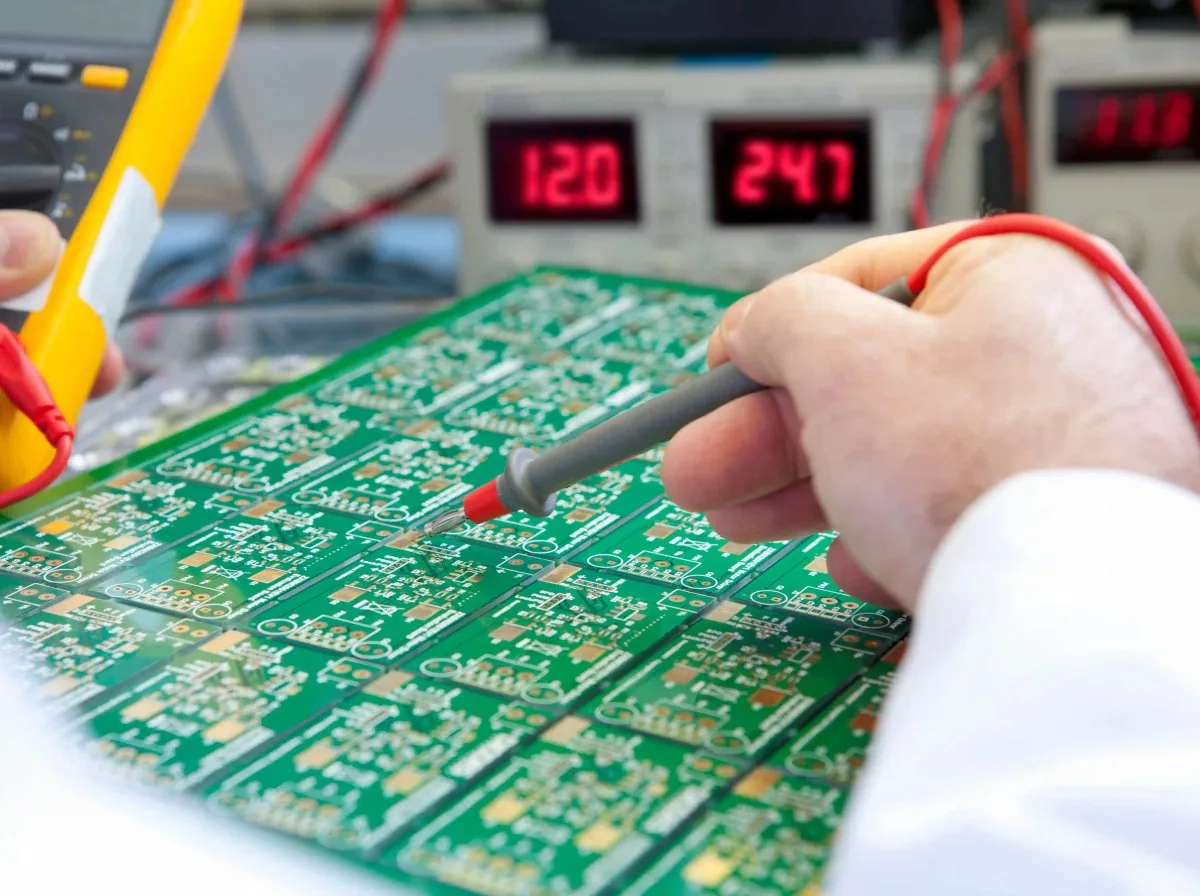
A 72V platform needs higher-voltage MOSFET arrays and a pre-charge circuit, plus agreement on message definitions between cluster and charger.
Open the BMS selection guidearrow_forward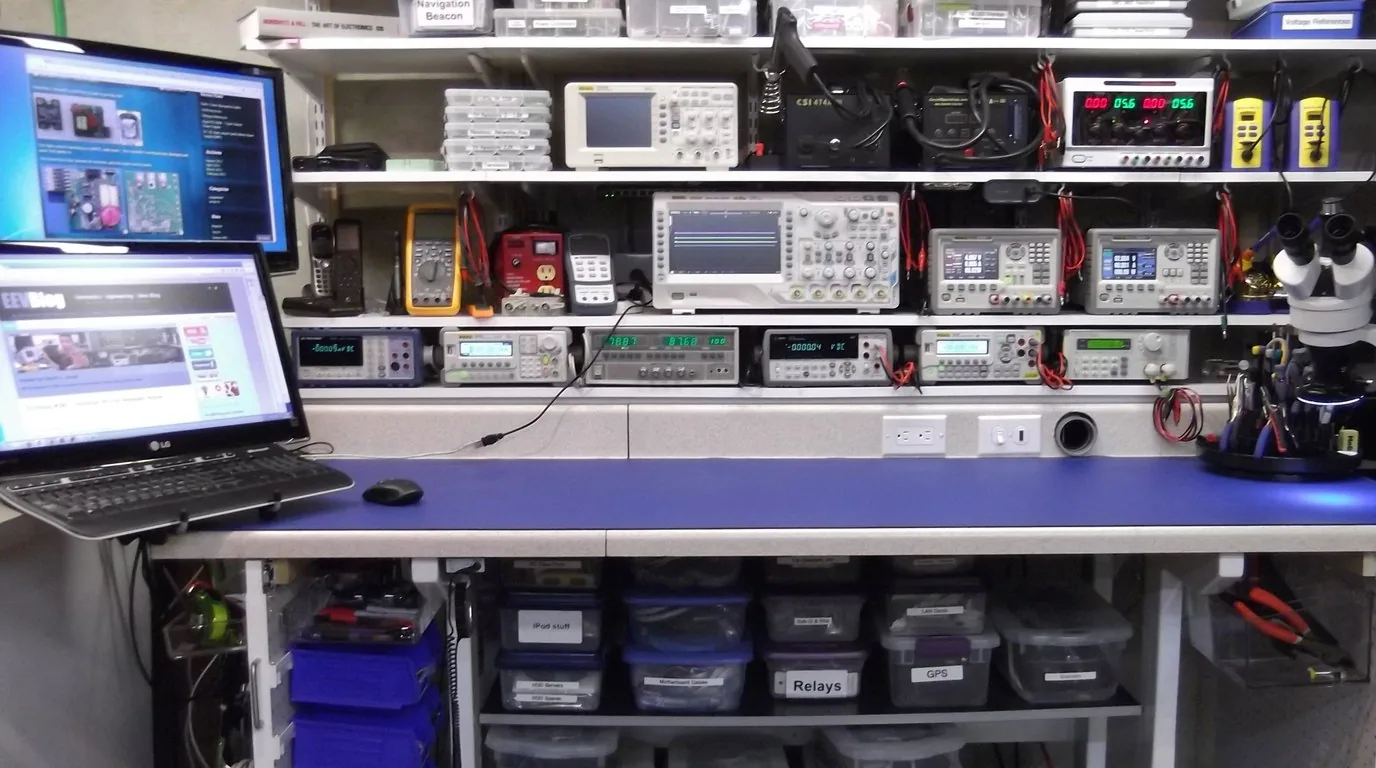
With the voltage fixed, derive safe capacity from typical duty-cycle consumption instead of estimating from motor power multiplied by hours.
Open the capacity guidearrow_forwardThicker armoured enclosures and high-rate motive configurations for 800–1,500kg payloads, calibrated to the gradients and loads of your target market.
See the cargo platformarrow_forwardDrawn from working sessions with electrical engineers at mainstream OEMs in India, Indonesia, Mexico and Egypt.
Tell us your target vehicle, destination market access standard and current vehicle parameters, and the TIANQIU powertrain institute will reply within 24 hours on working days with a complete dynamometer matching study and a custom ex-works pack proposal.
Specification notice:The figures above are engineering reference values. They may differ with production batch, configuration and actual duty cycle, and the percentages for life, efficiency, availability and coverage are engineering estimates and bench references. Contact us for the detailed specification sheet.
Vehicle parameters, controller brands and market-access documents you submit stay strictly confidential. A mutual NDA can be signed first.