
The Keke Napep battery price in Nigeria:first, the five things that set it
This page quotes no amounts at all, for a simple reason. On a pack labelled 60V, if any one of five things changes — capacity tier and cell grade, voltage platform and series count, BMS current and communication, enclosure protection and thermal design, or shipping method and trade terms — the price moves a tier. And the destination duty cycle decides how those five should be chosen. Our pricing basis is therefore an FOB / CIF figure calculated from destination port, payload, daily distance and motor rating, not a number that does not match your route. A fixed price works against the buyer: a 10% difference in duty cycle moves the configuration a full tier, so a low quote will not fit and a high quote wastes money.
verifiedNo prices are quoted on this page; a formal quotation governs. Pricing is calculated from destination port, payload, daily distance and motor rating, with Form E certificate of origin available.
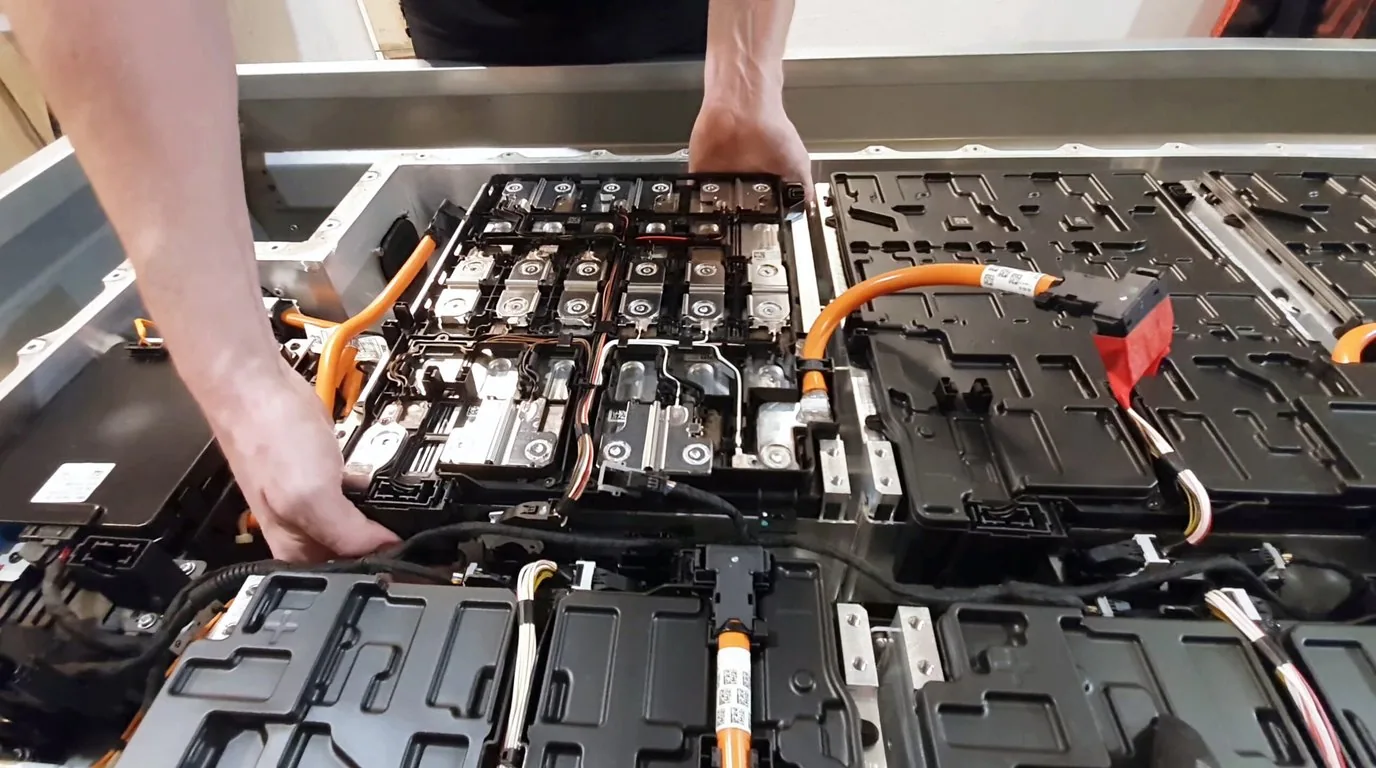
The five factors that set the price
Take any quotation apart and it is almost always a combination of these five. The first two fix the materials and the electrical architecture, the middle two fix reliability and service life, and the last one fixes the pricing basis itself.
- 01battery_5_bar
Capacity tier and cell grade
The capacity tier sets how many cells are used; the cell grade sets what they actually cost. Automotive-grade A-grade cells are about 62% of pack material cost, and second-life or salvaged cells can push that line far lower — at the cost of higher internal resistance, faster transient sag under load and a much shorter cycle life. Our quotations state the cell grade; we do not blur “same capacity, same price”.
The dominant material cost - 02bolt
Voltage platform and series count
At the same 120Ah, a 60V (16S) and a 72V (24S) pack differ in series count, so BMS sampling channels, enclosure internals and harness specification all change. The platform should follow motor rating and payload, not price: fitting 72V to a light short-route vehicle only adds weight without adding daily range.
Fixes architecture and structure - 03memory
BMS current and communication
Lagos duty requires a BMS that absorbs a 180A transient inrush without a false cut-out. The platform sustains 150–250A continuously with a 3C peak for short climbs. Above that sit CAN 2.0B / RS485 communication, swap-cabinet handshake and anti-theft positioning — optional lines that decide the field repair rate.
Decides reliability and service - 04shield
Enclosure protection and thermal design
Monsoon wading and 40°C-plus heat are normal in Nigeria. IP67 steel enclosure construction, a potted BMS bay, thermally conductive potting and directed airflow are structure cost and service-life cost at the same time: with a heat derating factor of Kt 0.91–0.94, poor thermal design takes that money back out of your range within the first year.
Decides life and downtime - 05directions_boat
Shipping method and trade terms
EXW, FOB and CIF are three pricing bases and three answers to who carries freight and insurance. 20GP and 40HQ containers each have their own tier, and how the document set is configured — UN38.3, MSDS, dangerous-goods packing certificate (Class 9) — shows up in the quotation as well.
Fixes the pricing basis
Capacity tiers and relative price steps (no amounts)
The table below shows relative position between tiers, so you can compare how much energy a step buys. It is not a price list; all amounts are governed by a formal quotation.
| Capacity tier | Nominal energy | Daily distance matched | Primary city fit | Relative price step (not an amount) | Data needed to quote |
|---|---|---|---|---|---|
| 60V 100Ah | 6.0 kWh | 100 km / day | Makurdi / Kano (dirt-road anti-vibration) | Baseline | Port · payload · daily distance · motor rating |
| 60V 120Ah | 7.2 kWh | 120 km / day | Lagos (heavy stop-start) | One step above baseline | Port · payload · daily distance · motor rating |
| 72V 100Ah | 7.2 kWh | 120 km (fast-road cruising) | Abuja (medium-high speed, long runs) | Rises with series count | Port · payload · daily distance · motor rating |
| 72V 130Ah | 9.98 kWh | 150 km / day | Interstate duty / Abuja long-distance | Two steps above baseline | Port · payload · daily distance · motor rating |
Pricing is calculated as FOB / CIF from destination port, payload, daily distance and motor rating, with a Form E certificate of origin available. 20GP / 40HQ sea freight ships with UN38.3, MSDS and the dangerous-goods packing certificate (Class 9). The steps above compare capacity against cost only — every amount is governed by the formal quotation.
Specification notice:The figures above are engineering reference values. They may differ with production batch, configuration and actual duty cycle, and the percentages for life, efficiency, availability and coverage are engineering estimates and bench references. Contact us for the detailed specification sheet.
Why three cities mean three configurations, not three prices
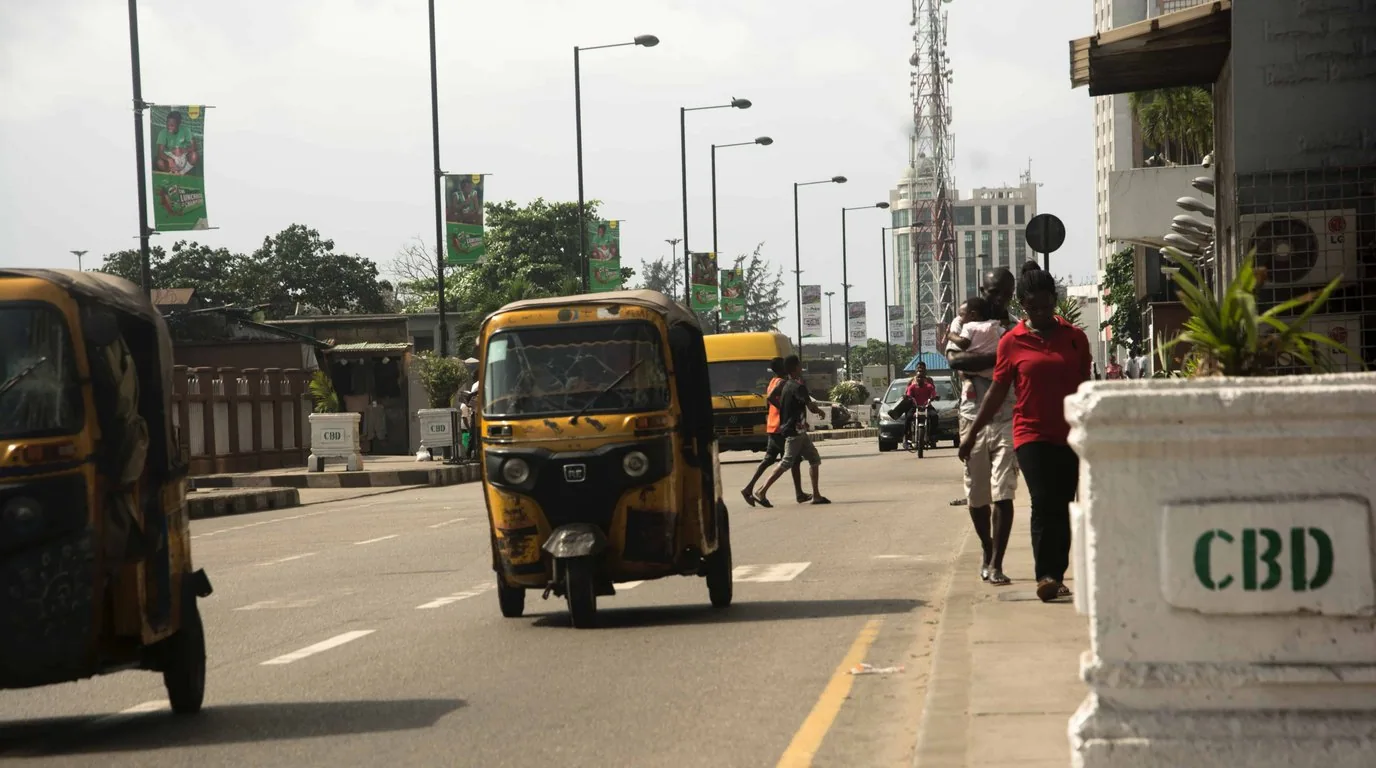
The difference between these cities is not the name on the map, it is the duty cycle: congested stop-start, fast-road cruising and dirt-road dust each point to a different BMS current step, capacity step and enclosure protection level. Move the configuration a tier and the price moves a tier with it — which is exactly why comparing “a unit price in some city” tells you nothing.
- Lagos · extreme congestion and humid heat: up to 14 hours of operation a day, nine stops and starts per kilometre, ambient 36–41°C and three to four adult passengers. The BMS must absorb a 180A transient inrush without a false cut-out — the heavy start-stop 60V 120Ah configuration.
- Abuja · open fast roads and long cruising: medium-to-high-speed running and long inter-city trips. Consumption is steady but the legs are long, so the match is the high-speed range 72V 100Ah — a higher series count buys a lower bus current, and cable heating and voltage sag fall with it.
- Makurdi / Kano · dirt and dust: vibration and dust are the dominant failure modes, so the match is the armoured anti-vibration 60V 100Ah, where the priorities are enclosure sealing, connector protection and mounting-point strength rather than a larger capacity.
- Destination port: Apapa or Tin Can (this fixes the CIF basis)
- Normal payload: passenger count or cargo weight — state it honestly if the vehicle runs full
- Daily distance: what the vehicle actually covers in a day, not what it covers on a good day
- Motor rating: rated power and controller current limit, which fix the voltage platform and BMS current step
Lead-acid vs lithium: compare ownership cost, not unit price
A unit-price comparison always flatters lead-acid, because lead-acid asks for less money up front. The real spending on a three-wheeler happens over three years: how many replacements, how many days parked, and how many fares you could not carry.
Factory lead-acid 6×12V 150Ah
About 72V 150Ah nominal- cancelAssembled weight≈ 240 kgSix 12V blocks stacked — weight taken straight out of passenger capacity
- cancelUsable capacityDischarged to only 50–60% to protect life: roughly 80–90Ah usable from a 150Ah label
- cancelCycle life300 – 500 cyclesOften under 300 under deep discharge
- cancelReplacements in three yearsAt one charge/discharge a day, typically one to two full pack replacements — each one taking the vehicle off the road
- cancelCharging per shiftHeavy duty needs a midday top-up, sometimes two
72V 150Ah LiFePO4
Same nominal capacity · 24S LFP · tier-one A-grade cells- check_circleAssembled weight≈ 81 kgAbout 160 kg lighter, which becomes payload or range
- check_circleUsable capacity88–90% DoD recommendedUsable capacity close to the label, with no half reserved for life
- check_circleCycle life3,500 cycles1C charge/discharge to ≥80% SOH, warranted 5 years / 3,500 cycles
- check_circleReplacements in three yearsNoneAt one charge/discharge a day the theoretical life is 7–9 years; fade depends on depth of discharge and ambient temperature
- check_circleCharging per shiftOne pack covers the dayOne charge per shift at the 100 km step; one midday top-up at 150 km
Nigeria pricing and clearance questions
Why not simply publish a Nigeria price?expand_more
Why do Lagos, Abuja and Makurdi differ?expand_more
Which is more expensive, 60V or 72V?expand_more
Does the price include clearance, and who handles SONCAP?expand_more
Where does a lead-acid to lithium swap actually save money?expand_more
How does container pricing differ from buying single packs?expand_more
Get a firm Nigeria quotation against your duty cycle
Send destination port, payload, daily distance and motor rating and we will model 60V / 72V pack pricing on an FOB / CIF basis, with container stowage and delivery scheduling, plus the SONCAP / Form M document list. Selection advice and pricing come back within 24 hours on working days.
- Sized to duty cycle, not to the biggest pack we can sell
- Sample packs available to prove the route before committing to a container
- Vehicle data and commercial details stay confidential; NDA available first
Specification notice:The figures above are engineering reference values. They may differ with production batch, configuration and actual duty cycle, and the percentages for life, efficiency, availability and coverage are engineering estimates and bench references. Contact us for the detailed specification sheet.