
End the gradient cut-out and the swollen cellexport-grade motive power packs for two- and three-wheeler fleets
Engineered for the hot, heavy duty cycles of India, Southeast Asia and Africa. Every pack ships with a 150A–250A continuous-duty smart BMS — no inflated capacity ratings, no high-temperature derating trips, and a plug-and-play replacement for the lead-acid block it replaces.
verifiedSeven-day custom sampling · free 3D CAD drawings · OEM/ODM nameplates and harness builds
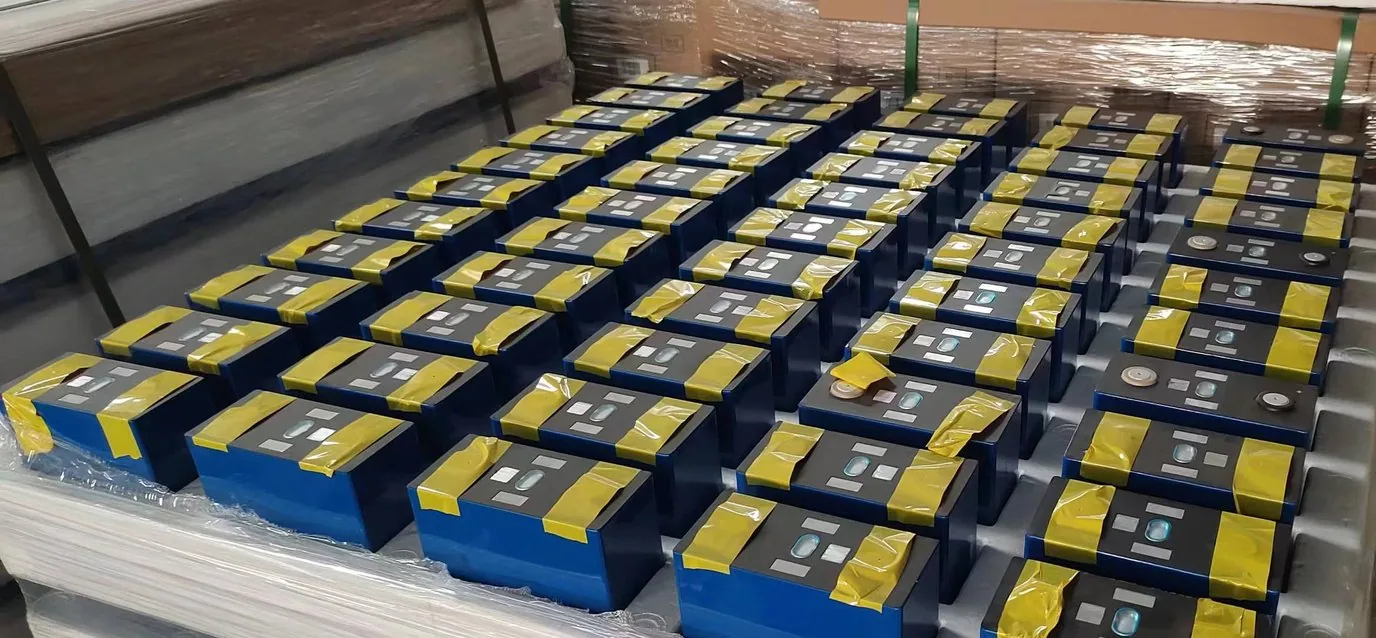
Why does an ordinary storage battery fail on a moto-tricycle within 90 days?
The specification buyers overlook first is not the nominal capacity — it is what the cell was designed to do.
Around 70% returned for swollen cells inside 90 days
Install a static storage battery on a working moto-tricycle and around 70% of packs come back with severe cell swelling within 90 days.
300% transient climb, no cut-out
Every pack carries a 150A–250A continuous-duty smart BMS rated for 3.0C continuous and 5.0C peak transients — no thermal derating trips.
Full-load bench validation
Fully compliant with IEC 62660-2 for road-vehicle traction batteries, with -30℃ cold-store discharge testing under way.
Motive-grade cells vs storage cells: the typical difference
Same bench, same loaded duty cycle. The gap between the two cell types decides your daily dispatch rate and the residual value of the asset three years out.
| Engineering metric | TIANQIU motive-grade pack | Repurposed storage / solar pack | Real-world consequence |
|---|---|---|---|
| Discharge rate (C-rate) | 3.0C continuous / 5.0C peak transient (15s) | 0.5C continuous / 1.0C maximum transient | The storage cell sheds 4–8V the moment a loaded vehicle climbs, and the drivetrain loses all power. |
| Cell internal resistance (IR) | ≤ 0.35 mΩ, strictly matched to automotive grade | ≥ 1.2 mΩ, ordinary storage grade | High resistance dumps Joule heat under load, vents the aluminium safety valve and swells the pack. |
| Shock and vibration standard | ISO 12405-3 / three-axis 50G shock test | Static rack standard only (zero road-vibration resistance) | Rough roads snap the fragile internal welds and cause internal shorts or arc fires. |
| BMS current-limit logic | Motive dynamic over-current curve that tolerates start-up inrush | Fixed inverter limit (50–80A hard cut-off) | Pulling away from a traffic light is misread as a short circuit and the vehicle cuts out. |
| Cycle life at 1C motive load | 3,500 cycles, retaining >80% capacity | Under 800 cycles at heavy motive load | Fleet payback collapses and the entire pack set is replaced inside eight months of operation. |
A static energy-storage (ESS) cell is designed for 0.2C trickle discharge inside an air-conditioned rack room. Fit it to a vehicle that starts and climbs under full load and the plates heat instantly, producing a large voltage drop and gas expansion that strands the vehicle mid-route.
Specification notice:The figures above are engineering reference values. They may differ with production batch, configuration and actual duty cycle, and the percentages for life, efficiency, availability and coverage are engineering estimates and bench references. Contact us for the detailed specification sheet.
Packs sized to the duty cycle, not the catalogue
Three standardised platforms covering passenger three-wheelers, heavy cargo tricycles and two-wheeler delivery swap fleets — each calibrated to the road, payload and motor power of its target market.
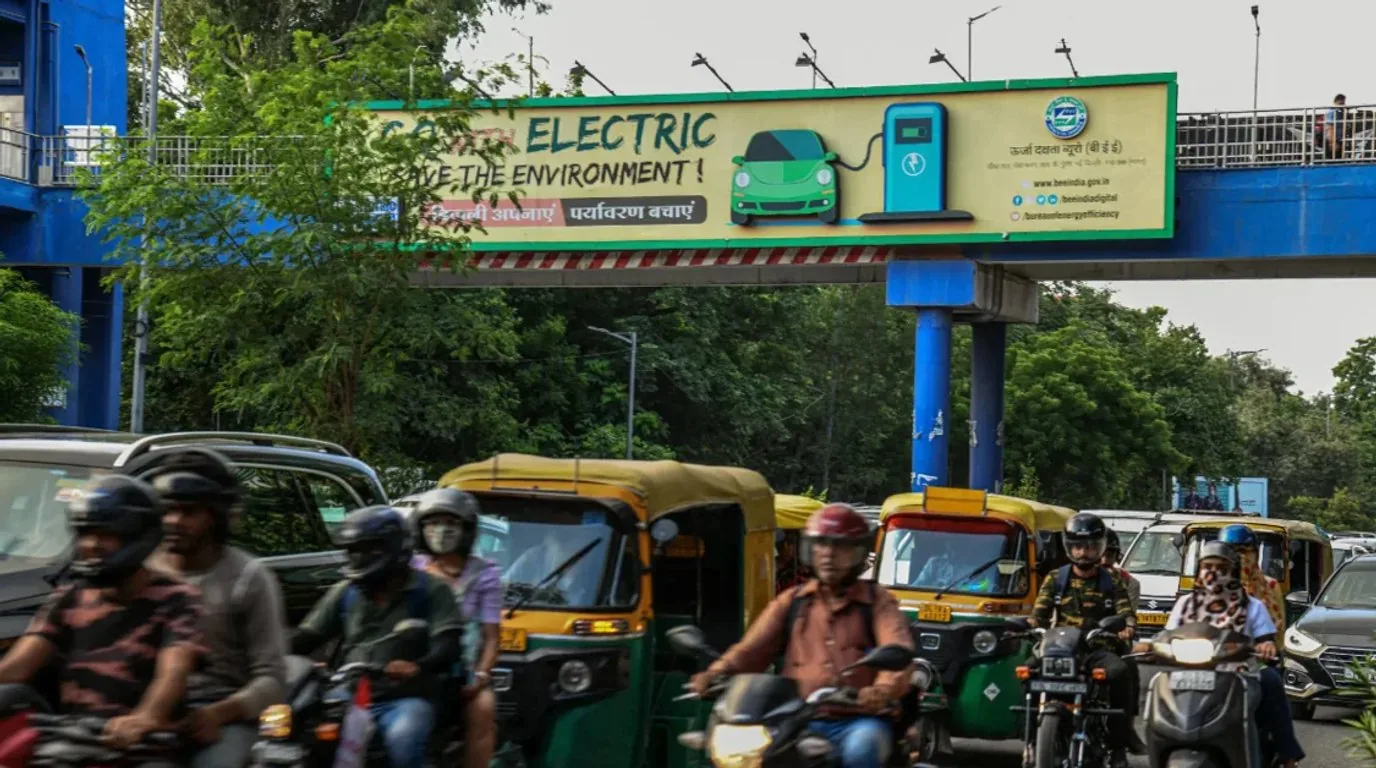
Passenger three-wheeler pack
Designed for Bajaj RE, Piaggio and Keke Napep conversions. An ultra-slim under-seat chassis removes the 180kg of dead lead-acid weight the original vehicle carried and sharpens throttle response.
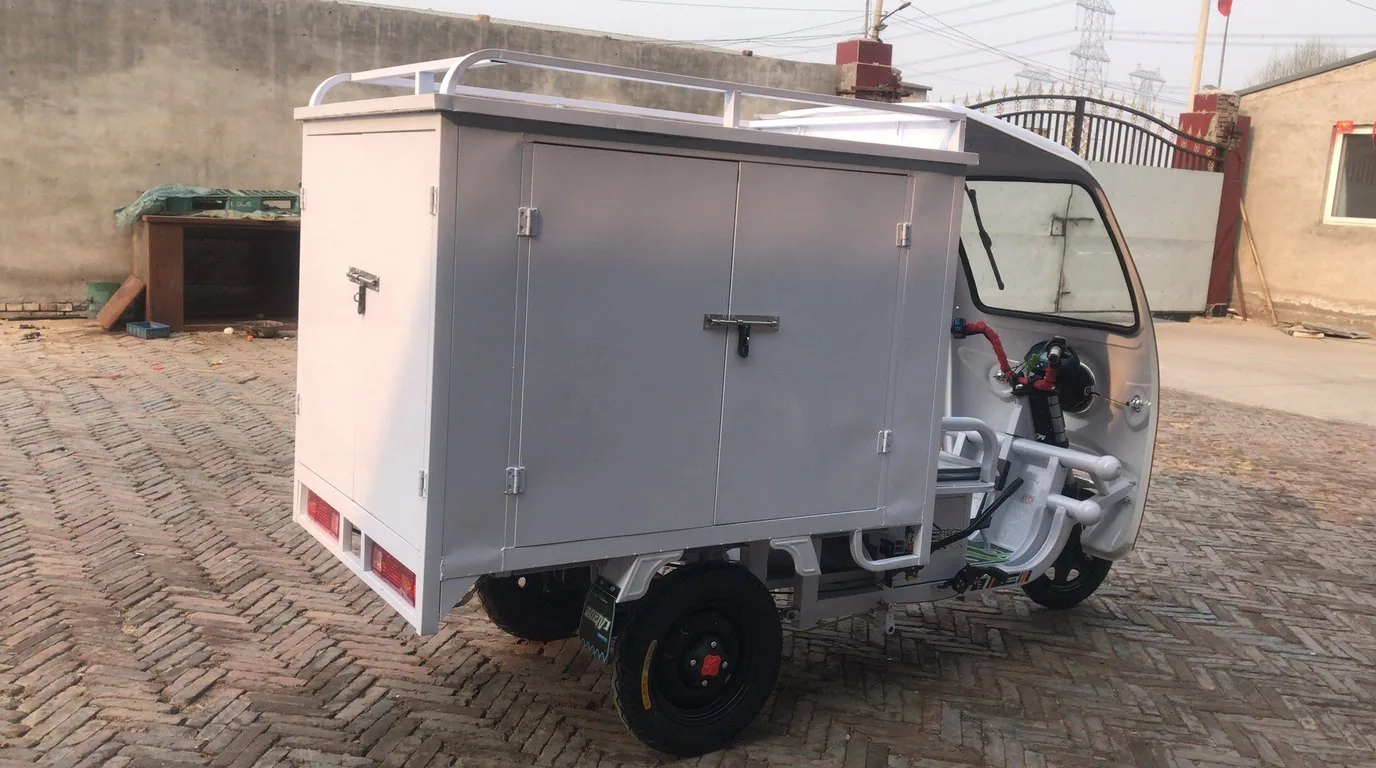
Heavy-duty cargo tricycle pack
Built for 800–1,500kg of industrial and agricultural haulage. A 2.0mm cold-rolled steel armour shell and twin Anderson connectors carry 200A transient surges, so loaded starts and rough surfaces stop being the limit.
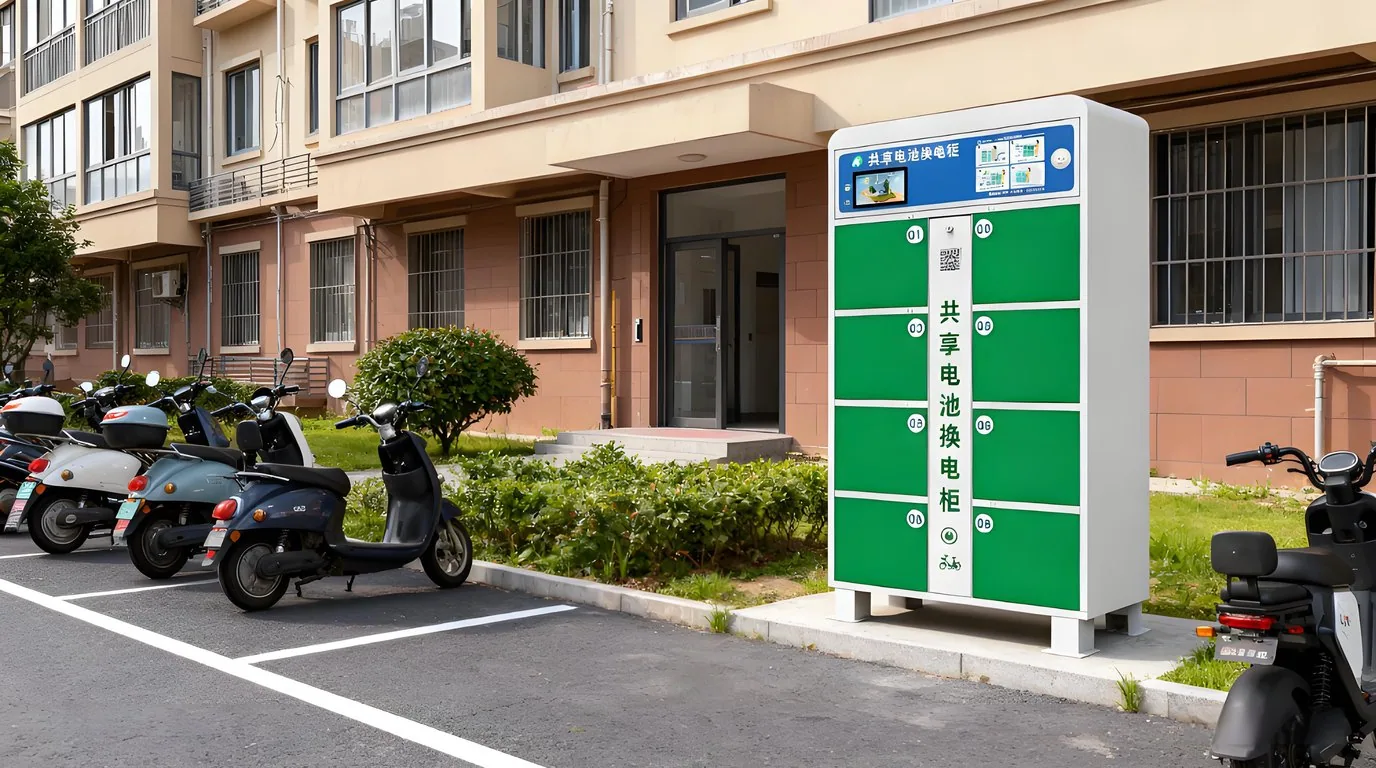
Two-wheeler delivery / swap pack
Compatible with mainstream commercial swap cabinets and high-frequency delivery fleets. Onboard CAN/RS485 telemetry and GPS anti-theft locking, twin ergonomic handles and 1C fast charging from 0 to 100% in 70 minutes.
Seven-market engineering access and clearance matrix
Every port of entry already has its BMS thresholds tuned, its bill-of-lading documentation file and its duty-cycle calibration on record — so kick-off never stalls on compliance.
India (IN)
Aerogel inter-cell fire barriers, tamper-resistant shell rivets and hardware dual-relay cut-off, specified for Delhi and Uttar Pradesh passenger e-rickshaws.
Nigeria (NG)
The BMS charge input carries a surge-suppression module for diesel-generator swings of 160–280V AC, alongside large passive cooling fins for the 48°C dry season.
Kenya (KE)
Over-current trip delays widened specifically for the steep climbs of the Great Rift Valley, with native M-Pesa payment integration and a PAYGO remote lock interface.
Sri Lanka (LK)
A plug-and-play harness adapter for the Bajaj two-stroke retrofit project, with a preset 0–5V analogue bridge for the original dashboard fuel gauge signal.
Philippines (PH)
Industrial triple-coat conformal potting resists typhoon-season wading and aggressive coastal salt spray, widely fitted to E-Trikes and modern electric jeepneys.
Tanzania (TZ)
A 60V 140Ah long-range variant built for the inter-city run between rural produce depots and the passenger terminals on the edge of Dar es Salaam.
Bangladesh (BD)
Designed for heavily loaded EasyBike chassis with a reinforced underside skid plate, holding up to monsoon flooding and unpaved, muddy road impacts.
A pack that dies mid-gradient: what actually failed
Most fleet operators assume the cells are at fault. In fact 94% of cut-out events trace back to protection-board logic and poorly matched "soft" cells. Here is what the lab found.
- E-01electric_bolt
Instant peak over-current cut-out
Cause: pulling five passengers away on an 18° gradient drives the 1200W motor to a 120A inrush for 3–5 seconds. An ordinary storage BMS with a cheap 80A hard-switch chip simply cuts the supply.
120A inrush · 3–5 seconds
TIANQIU fix: a two-stage motive over-current algorithm lets 300% peak inrush pass safely for 10 seconds. - E-02thermostat
Nuisance thermal cut-off
Cause: high-resistance reject cells heat themselves under high current (Joule heating, I²R). At 42°C ambient, fifteen minutes of continuous climbing drives the cell core to 65°C and triggers an over-temperature shutdown.
42°C ambient · 15 min climbing
TIANQIU fix: only ≤0.35mΩ ultra-low-resistance new A-grade cells, cutting self-heating by 68% and holding a stable 55°C safe window. - E-03battery_alert
Weak cell "drop-out" and false under-voltage
Cause: mixed, unmatched bulk cells let one weak cell sag to 2.2V under a loaded pull-away, so the protection board reads a whole-pack under-voltage event and kills the vehicle.
One string at 2.2V · pack locked out
TIANQIU fix: fully automated optical grading and matching at the plant (ΔAh < 0.5%, ΔIR < 0.05mΩ) plus a 200mA active balancing module.
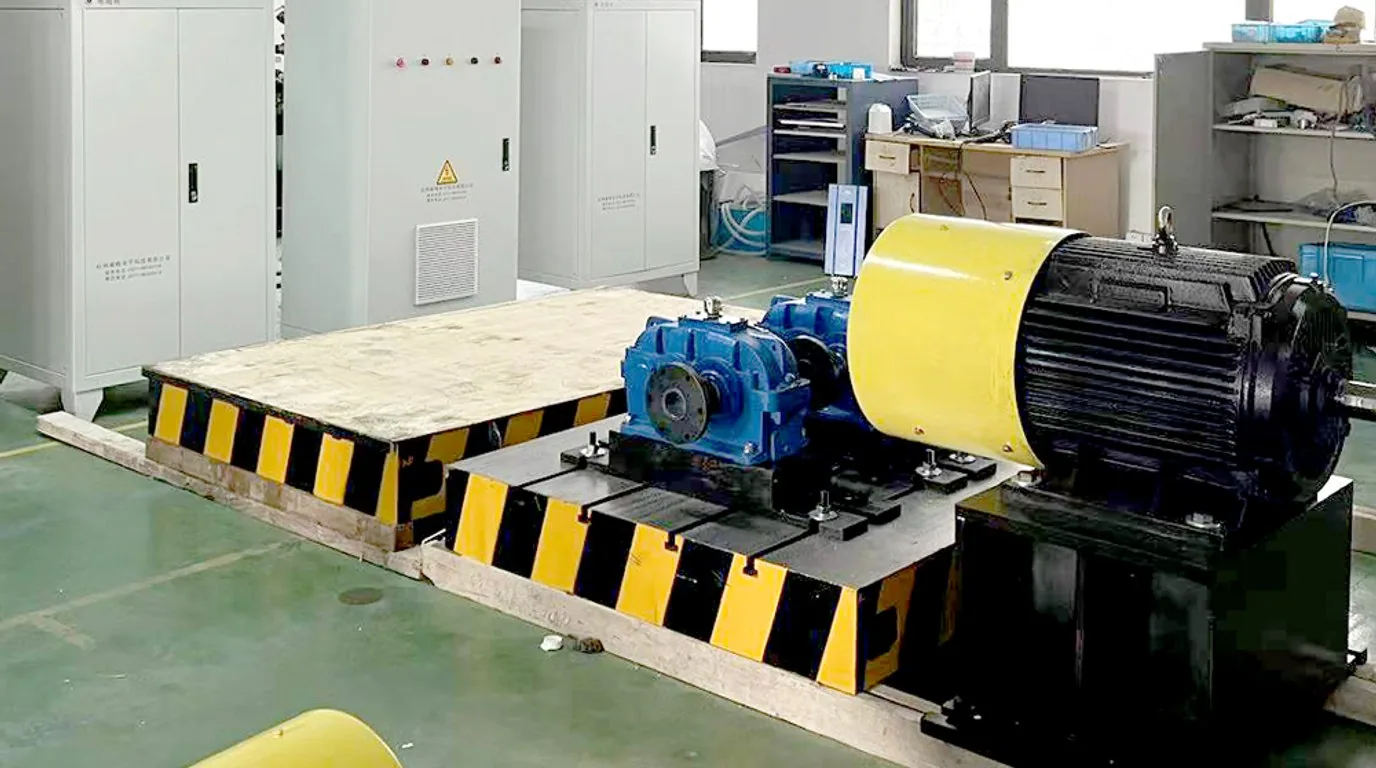
Automotive-grade control: no second-hand or graded cells, ever
Every TIANQIU pack uses new automotive-grade prismatic aluminium-shell LiFePO4 cells supplied directly by the cell manufacturer, each carrying its original laser-etched QR traceability code. Retired bus cells and polished scrap automotive cells are never used.
- 100% full-power EOL ageing: every pack completes a 1.5C continuous full-load charge and discharge cycle before dispatch, screening out weak welds and residual resistance spread.
- IP67 immersion test: the complete unit sits one metre underwater for 30 minutes, after which no liquid has entered the sealed connectors or harness glands.
- Three-axis rough-road shaker: 100,000km of simulated potholed emerging-market road, confirming the internal structure never loosens or shorts.
- Robot laser-welded busbars: precision fibre laser welding replaces screwed joints entirely, removing the long-term vibration and heat-loosening failure mode.
Common questions from fleets and overseas buyers
Answers for fleet managers, conversion workshop supervisors and importers on harness wiring, charger matching and the full sea-freight clearance process.
Can this pack replace the four 12V lead-acid batteries already in the vehicle?expand_more
Can I charge it with the old lead-acid charger?expand_more
Will the protection board cut out on a flyover gradient or an overloaded start?expand_more
Which CANbus / RS485 dashboard and GPS fleet protocols are supported?expand_more
Lithium is UN3480 Class 9 dangerous goods — how do you keep sea freight clearance smooth?expand_more
How long will the pack really last in 45°C tropical heat?expand_more
Can you customise the enclosure size, mounting ears and harness connector for our local vehicle?expand_more
What warranty and spare-part support does the factory provide overseas?expand_more
Request a sample pack and the container technical pack
Talk directly to a senior motive-power engineer. Send your motor rating, rear-axle reduction ratio, target-market gradients and daily duty cycle, and we will issue a complete power-matching specification and container loading plan within 24 hours.
- Seven-day custom engineering sample pack, air-freighted
- Full 3D CAD drawings and pin definitions
- UN38.3 dangerous-goods sea-freight release documents
Specification notice:The figures above are engineering reference values. They may differ with production batch, configuration and actual duty cycle, and the percentages for life, efficiency, availability and coverage are engineering estimates and bench references. Contact us for the detailed specification sheet.
Drawings, volumes and commercial details you submit stay strictly confidential. A mutual NDA can be signed first.