
E-rickshaw battery weight vs passenger capacity:what those 160 kg are actually worth
The arithmetic first. At the same 72V 150Ah nominal capacity:
· factory lead-acid 6×12V 150Ah is about 240 kg assembled;
· LiFePO4 72V 150Ah is about 81 kg;
· the difference is about 160 kg, equal to two to three passengers at 65 kg each.
This is exactly where a passenger tricycle differs from a cargo one: on a cargo vehicle extra weight becomes extra goods, but on a passenger vehicle it can only become one fewer fare. So converting those 160 kg into income follows the path additional passengers × single-trip fare × daily trips. This page publishes no currency amount — substitute your own local fare and trip count. And losing weight does not only mean carrying more people: a lighter vehicle also cuts rolling resistance and acceleration energy, so the same capacity covers more distance.
verifiedWeight is the assembled pack including steel enclosure, BMS and harness, converted at roughly 7 kg/kWh (±5%). Occupancy is estimated at 65 kg per person; the permitted passenger count and gross vehicle mass in your market remain the governing limits.
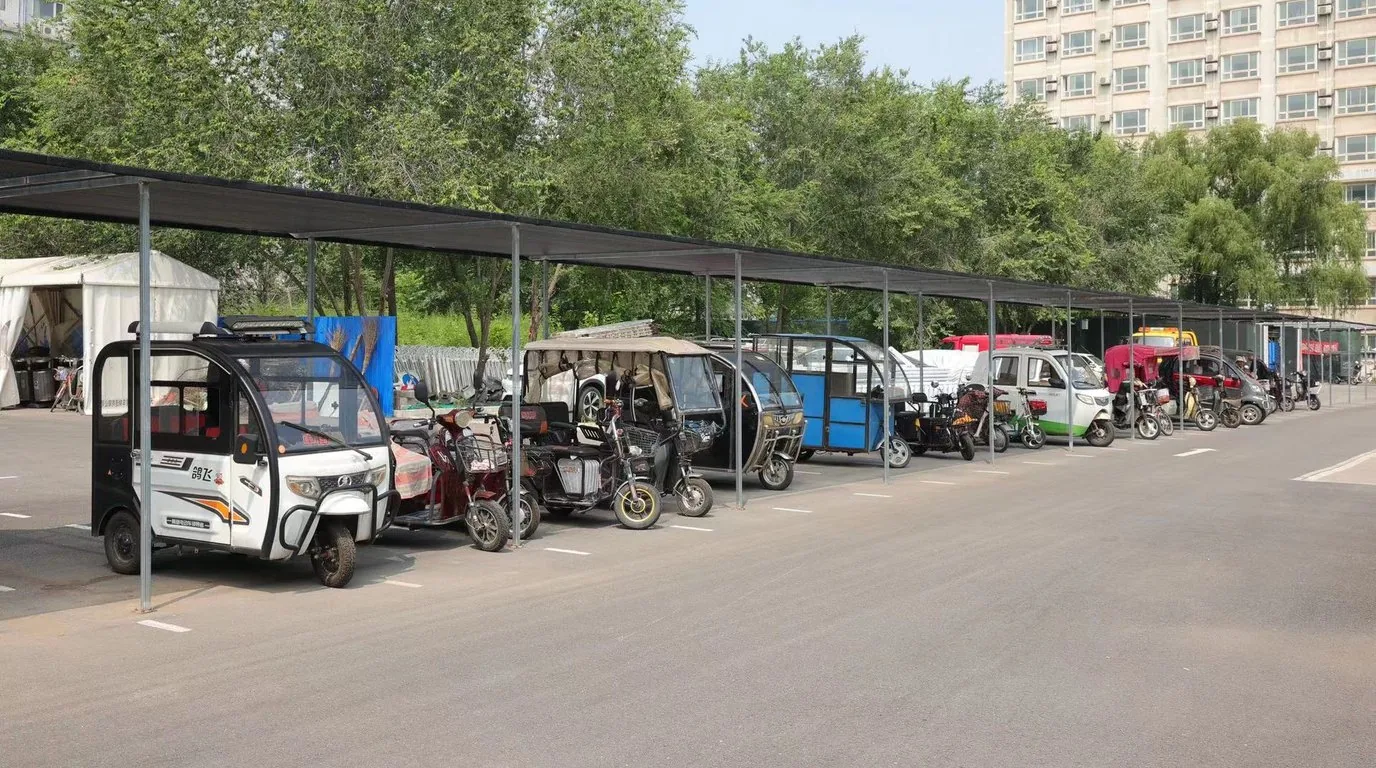
The whole calculation in four numbers
These four figures are the most commonly overlooked benefit of a passenger conversion: the battery did not get cheaper, the vehicle stopped hauling 160 kg around all day.
Specification notice:The figures above are engineering reference values. They may differ with production batch, configuration and actual duty cycle, and the percentages for life, efficiency, availability and coverage are engineering estimates and bench references. Contact us for the detailed specification sheet.
Turn the weight saving into seats, then into a daily revenue increment
The comparison is drawn at the same 72V 150Ah nominal capacity; every other capacity step is lighter on both sides, but the ratio is unchanged. The money column is left entirely as variables: substitute your local single-trip fare and trip count. No currency figure appears on this page.
| Item | Factory lead-acid 72V 150Ah | LiFePO4 72V 150Ah | Difference and conversion |
|---|---|---|---|
| Assembled weight | ≈ 240 kg | ≈ 81 kg | About 160 kg saved (≈ 67%) |
| Equivalent seats (at 65 kg each) | Baseline | 2 – 3 more | 160 ÷ 65 ≈ 2.5 people |
| Usable capacity | 50–60%, about 75–90Ah | 88–90%, about 132–135Ah | About 1.7x the usable energy |
| Charging per shift | Long routes usually need a midday top-up | One pack covers the day | Saves 30–60 minutes of charging time |
| Daily trips (same route) | Capped by weight and the charging rhythm | One extra trip, or one extra passenger | Gain = extra passengers × extra trips |
| Daily revenue increment | Baseline | (extra passengers × single-trip fare × daily trips) | Convert with your local fare — no amount is published here |
Why this path works on a passenger vehicle and not on a cargo one: a tricycle has a gross vehicle mass and axle-load limit, so every kilogram the battery occupies comes straight out of payload. A cargo vehicle turns the released 160 kg into goods; a passenger vehicle can only turn it into people. The reverse also holds as a warning: never bolt ballast onto the rear to “restore” the old ride and suspension feel — that hands the 160 kg straight back and the benefit goes to zero. Adjust suspension and tyre pressure instead (see the checklist below).
Specification notice:The figures above are engineering reference values. They may differ with production batch, configuration and actual duty cycle, and the percentages for life, efficiency, availability and coverage are engineering estimates and bench references. Contact us for the detailed specification sheet.
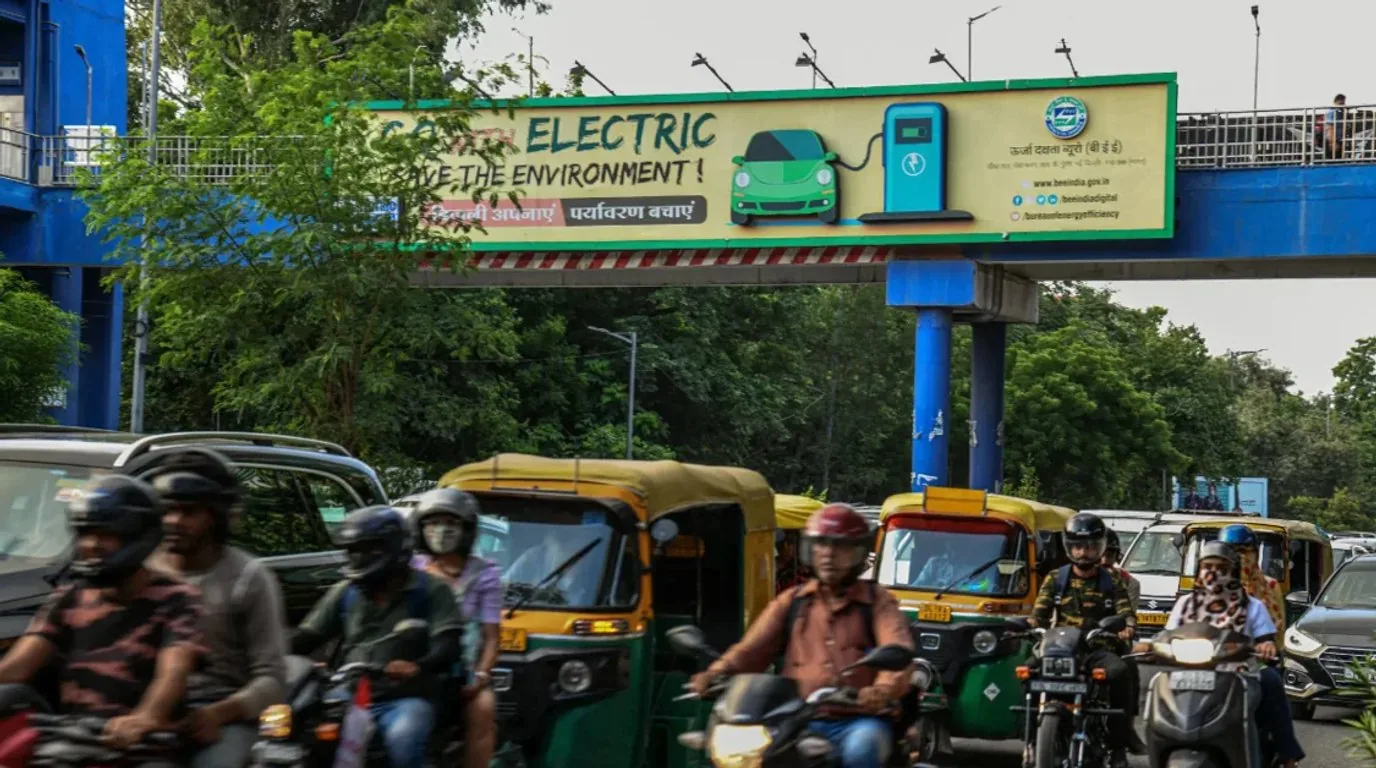
Weight affects two more things: energy use, and tricycle stability
Lighter does not mean "a bit less stuff fitted" — it moves the whole vehicle operating point toward the efficient side. Rolling resistance and acceleration energy both fall with vehicle mass, so the same capacity covers more distance. That is part of why an equal-capacity lithium pack feels "longer lasting" in service.
- Evidence from the energy basis: the site’s two typical duty bands show the order of magnitude — passenger rickshaw 55–68 Wh/km against heavy cargo 95–125 Wh/km. On unpaved, overloaded duty the rolling-resistance coefficient rises from 0.015 to 0.035 and consumption per kilometre increases by nearly half. Vehicle mass and rolling resistance are the same set of variables; losing weight and saving energy are the same act.
- But do not trust a "Wh saved per kg" coefficient: real consumption depends on tyre pressure, surface, speed, gradient and driving style, and two drivers on the same vehicle can differ by more than 20%. Any table claiming single-digit precision should be discarded.
- Ballast and centre of gravity: a tricycle is a three-point support, usually with single-wheel rear drive, and the pack normally sits under the seat or above the rear axle. A 240 kg lead-acid set raises the centre of gravity and keeps the rear axle near its limit; at 81 kg the centre of gravity drops and rear-axle impact falls, so the vehicle is actually more stable over potholes and on climbs.
- One job that must follow the swap: recheck suspension preload and rear tyre pressure against the new kerb weight. Leave them set for the old lead-acid load and the vehicle will feel noticeably skittish unladen, which hurts both ride comfort and tyre life.
- Suspension preload and dampers: reset against the new kerb weight, or it will ride skittish empty and soft loaded
- Rear tyre pressure and track: adjust to the new axle load; over-inflation costs grip and comfort
- Battery bay mounting frame: a lithium pack is far smaller than the lead-acid set it replaces, so locating brackets must be fabricated inside the original bay — never pack it with timber or strap it temporarily
Five questions about battery weight and passenger capacity
Does saving 160 kg really mean carrying another passenger?expand_more
Does a lighter pack make a tricycle less stable?expand_more
A lithium pack is so much lighter — are there fewer cells inside?expand_more
Does the vehicle go faster now that it is lighter?expand_more
How is the daily revenue increment actually calculated?expand_more
Get a sizing table and firm pricing against your occupancy and route
Send the destination port, normal occupancy, daily distance and motor rating. We will size the 48V / 51.2V or 60V / 72V pack and return FOB / CIF pricing, container allocation and delivery schedule, with the shipping document list attached.
- Sizing advice and pricing within 24 hours on working days
- Sample packs can prove the real passenger duty cycle before you commit to a container
- Fleet size, routes and market-access documents are strictly confidential; NDA available first
Specification notice:The figures above are engineering reference values. They may differ with production batch, configuration and actual duty cycle, and the percentages for life, efficiency, availability and coverage are engineering estimates and bench references. Contact us for the detailed specification sheet.