
Three wheeler battery packs:the selection hub for passenger, cargo and swap duty
The term “three wheeler” covers completely different work: a 4–5 passenger e-rickshaw in India or Bangladesh, a West African keke napep running 8–12 hours a day, a cargo tricycle rated at 800–1000kg, and a swap module built for high-turnover fleets. Duty cycles that far apart cannot share one sizing table. This page gives the three-duty comparison, a naming index by market, the 48V / 60V / 72V voltage entry point and the lead-acid comparison, then routes you to the page that fits your vehicle.
verifiedConsumption and range figures are typical fleet averages on real duty, not nameplate claims; payload, gradient, surface and riding style all move the result. The specification sheet shipped with your container governs.
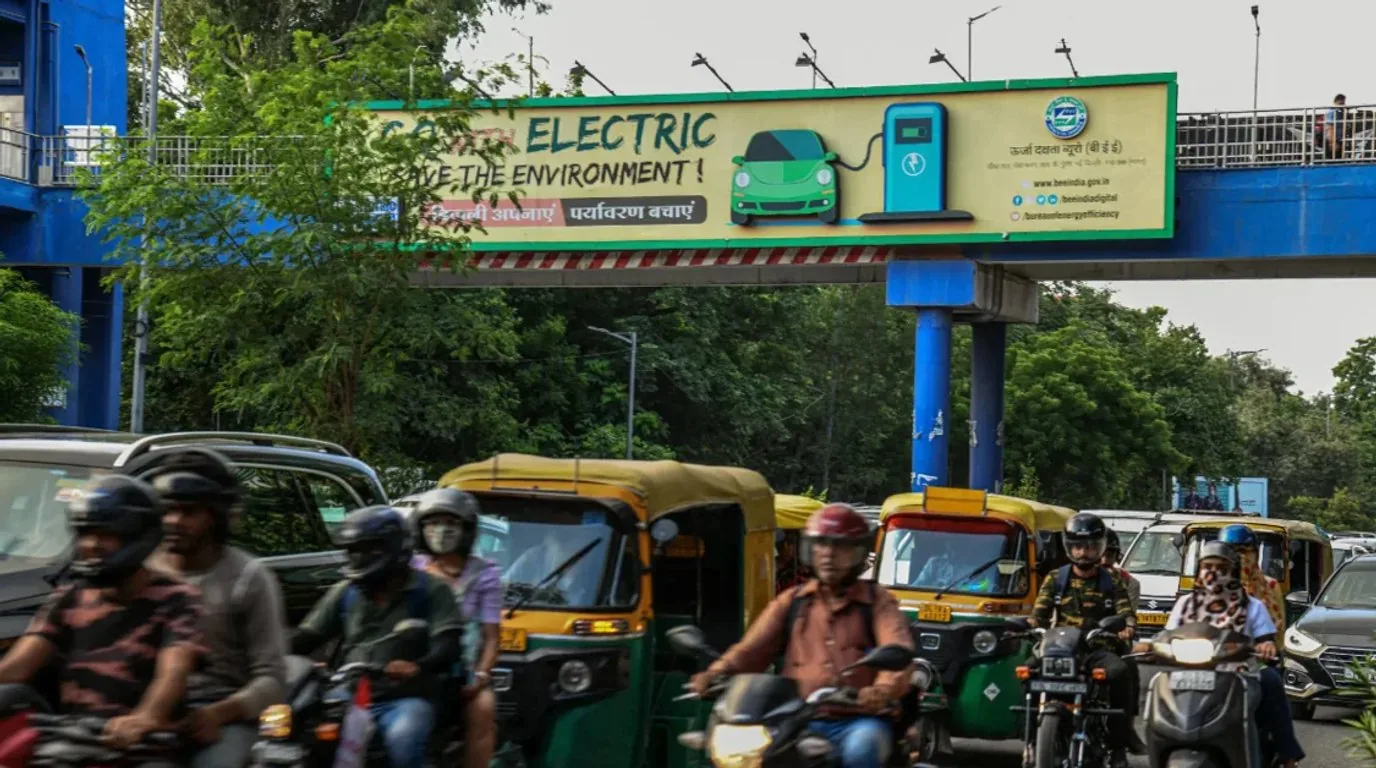
A three-wheeler battery does one of three jobs — establish which first
The first selection question is not how many amp-hours, but what the vehicle actually does. Passenger duty turns on stops and occupancy, cargo duty on tonnage and gradient, swap duty on turnover and cabinet handshake.
Specification notice:The figures above are engineering reference values. They may differ with production batch, configuration and actual duty cycle, and the percentages for life, efficiency, availability and coverage are engineering estimates and bench references. Contact us for the detailed specification sheet.
Three duty classes: what voltage and capacity each one needs
Consumption and capacity figures come straight from the typical fleet matrix in our real capacity and range engineering guide — nothing is converted from nameplate data. Size on real daily distance plus 20% margin, never on the biggest pack.
| Duty class | Typical scenario | Recommended platform | Real combined consumption | Target range | Recommended safe capacity | Matching pack model |
|---|---|---|---|---|---|---|
| Passenger three-wheeler | E-rickshaw / tuk-tuk / keke napep in daily passenger service: 4–5 people, frequent stops, 120 km a day | 48V / 51.2V (16S) | 55 – 68 Wh/km | 100 – 120 km | 51.2V 100 – 120Ah | VT-48100-AIS156-MAX |
| African passenger tricycle | Keke Napep and typical West African duty: rough surfaces, 45°C heat, high-speed cruising | 60V / 72V platform | 65 – 80 Wh/km | 110 – 130 km | 60V / 72V 120 – 140Ah | VT-72130-TROPICAL-HD |
| Heavy cargo tricycle | 800kg–1000kg rated payload, high torque and steep climbs, building materials and produce | 72V (24S LiFePO4) | 95 – 125 Wh/km | 90 – 110 km | 72V 160 – 200Ah | VT-72180-CARGO-PRO |
| Swap and high-turnover duty | Swap cabinets and in-fleet swapping, double-shift short routes, courier and delivery | 60V (16S LiFePO4) | 28 – 35 Wh/km | 80 – 100 km | 60V 50 – 60Ah | VT-6050-LFP-SWAP |
The same vehicle can differ by more than four times in consumption across duty classes (28 Wh/km against 125 Wh/km), which is exactly why a three-wheeler battery cannot be sold as one universal step. Where payload, gradient or surface differs from the baseline, recalculate with the dynamic road-resistance factor — see the capacity and range engineering guide.
Specification notice:The figures above are engineering reference values. They may differ with production batch, configuration and actual duty cycle, and the percentages for life, efficiency, availability and coverage are engineering estimates and bench references. Contact us for the detailed specification sheet.
E-rickshaw, tuk-tuk, keke napep, tricycle: one vehicle, many names
Buyers search with the word their country uses, not the word the vehicle deserves. The table aligns each regional name with the operating pattern and voltage platform, so you can jump straight to the right page — the vehicle is the same class, the sizing basis is not.
| Region / market | Local name | Operating pattern | Voltage platform | Where to go next |
|---|---|---|---|---|
| India / Bangladesh | e-rickshaw / auto-rickshaw | 4–5 passenger taxi duty, central charging hubs, 120 km a day | 48V / 51.2V (16S) | Passenger duty page |
| Sri Lanka / India / Thailand | tuk-tuk | Street passenger taxi duty, high share of petrol-to-electric conversion | 48V / 60V / 72V | Tuk-tuk battery page |
| Nigeria / West Africa | keke napep | 8–12 hour passenger shifts, mid-shift charging is the norm | 60V / 72V | Keke Napep battery page |
| Philippines / Indonesia / Vietnam | tricycle / becak | Mixed passenger and light cargo duty on varied surfaces | 48V / 60V | Heavy-load cargo page |
| General export enquiries | three wheeler / three-wheeler | The umbrella term for passenger, cargo and swap three-wheelers | 48V / 60V / 72V | This page (hub) |
These names point at the same vehicle class but not at the same pack specification: a tuk-tuk in Colombo and a tuk-tuk climbing from the port of Dar es Salaam are not the same duty cycle. Choose the page by market, then the pack by duty.
Specification notice:The figures above are engineering reference values. They may differ with production batch, configuration and actual duty cycle, and the percentages for life, efficiency, availability and coverage are engineering estimates and bench references. Contact us for the detailed specification sheet.
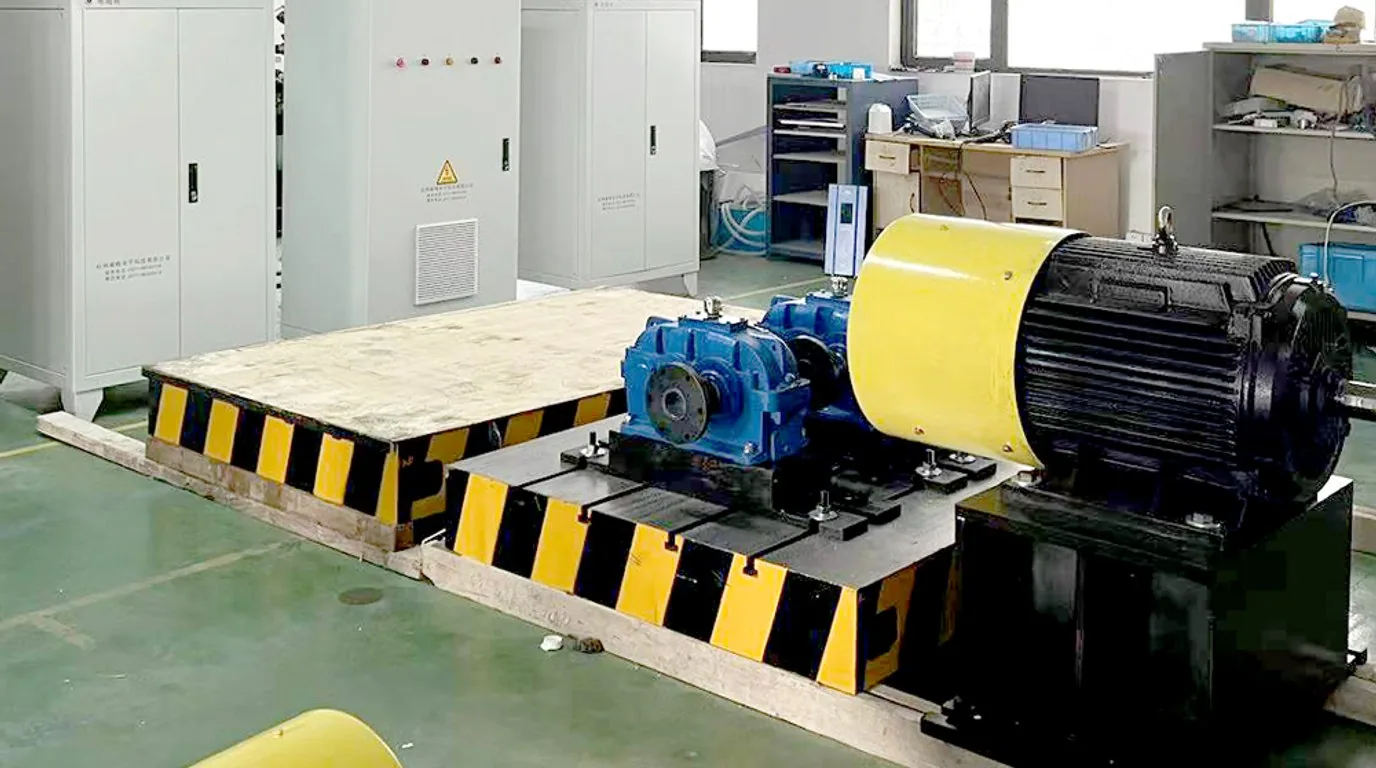
Fix the voltage first: the 48V / 60V / 72V entry point
The most common mistake in three-wheeler battery selection is treating voltage as a premium tier. The right step follows motor rating, everyday payload and route gradient: too high adds weight and cost for nothing, too low trips protection on a loaded climb.
- Choose 48V / 51.2V for 4–5 passenger duty at 100–120 km a day on mainly flat routes — the lightest pack and the lowest entry cost, and the most common step on India’s AIS-156 fleet.
- Choose 60V for the widest coverage: West African passenger duty and swap modules both land here, with enough power for normal occupancy without an overweight pack.
- Choose 72V for cargo tricycles rated 800–1000kg and for loaded routes with long gradients or unpaved sections, where the higher bus voltage cuts loaded current sharply.
- Do not choose by “bigger is safer”: the extra weight comes straight out of passenger capacity or payload, and for a passenger driver that is income.
- Controller MOSFET rating and current limit must cover the full-charge voltage and the loaded hill-climb peak current
- Battery bay dimensions: measure before choosing capacity — a three-wheeler bay is usually tighter than a two-wheeler bay
- Charger: a CC-CV charger matched to the series count is mandatory; never continue with a lead-acid constant-voltage unit
- Market access documents: India AIS-156 Phase 2, Sri Lanka SLS 1656, Nigeria SONCAP, Kenya PVoC — confirm per market before the order
On the same three-wheeler, where lead-acid and LiFePO4 diverge
The comparison is drawn at the same nominal capacity, 72V 150Ah (factory lead-acid 6×12V 150Ah against a 24S LiFePO4 pack). At the 48V / 60V 100–130Ah steps commonly used on three-wheelers both sides get lighter, but the ratio between them does not change.
Factory lead-acid 6×12V 150Ah
About 72V 150Ah nominal- cancelAssembled weight≈ 240 kgSix 12V blocks stacked; the weight comes straight out of passengers or payload
- cancelUsable capacityDischarged to only 50–60% to protect life: roughly 80–90Ah usable from a 150Ah label
- cancelCycle life300 – 500 cyclesOften under 300 in deep discharge, and faster still on high-frequency passenger duty
- cancelCharging per shiftHeavy duty usually needs a midday top-up, some routes two
- cancelTemperature behaviourUsable capacity falls away below 0°C; tropical heat drives water loss and swelling
72V 150Ah LiFePO4
Same nominal capacity · 24S LFP · Tier-1 A-grade cells- check_circleAssembled weight≈ 81 kgAbout 160 kg lighter, convertible into passengers, payload or range
- check_circleUsable capacity88–90% DoD recommendedUsable capacity close to the label; quotes are issued on net usable capacity
- check_circleCycle life3,500 cycles1C charge/discharge to ≥80% SOH, 5-year / 3,500-cycle warranty
- check_circleCharging per shiftOne pack covers the daySized at 90–110 km heavy cargo or 100–120 km passenger duty
- check_circleTemperature behaviour−20°C to 65°C window, with high-temperature derating and cold current limiting
The eight questions three-wheeler battery buyers ask first
How big a battery does my three-wheeler need?expand_more
What is the real difference between passenger and cargo duty?expand_more
Are e-rickshaw, tuk-tuk and keke napep the same vehicle?expand_more
Can I swap lead-acid for lithium directly?expand_more
What does a three-wheeler battery cost?expand_more
How long until it pays back?expand_more
Can a three-wheeler pack be built as swappable?expand_more
What certifications does a three-wheeler battery need to ship?expand_more
Go to the page that matches your duty
Three-wheeler platform overview
How the passenger, cargo and swap platforms differ in structure, controller and charger matching, plus the ex-works pack fitment list.
See the three-wheeler platformarrow_forwardPassenger tricycle battery
Passenger duty only: 4–5 people, 100–150 km a day, frequent stops and mid-shift top-ups, sized back from 55–68 Wh/km.
Open the passenger pagearrow_forwardHeavy-load cargo tricycle battery
72V platform selection for 800–1000kg payloads and steep climbs, with typical consumption and the lead-acid comparison.
Open the cargo pagearrow_forwardGet a firm three-wheeler battery quotation against your duty cycle
Send the destination port, payload (or passenger count), daily distance and motor rating. We will classify the duty cycle, size the 48V / 60V / 72V pack, and return FOB / CIF pricing, container allocation and delivery schedule with the shipping document list attached.
- Duty classification and sizing advice within 24 hours on working days
- Sample packs available to prove the duty cycle before committing to a container
- Fleet size, routes and market-access documents are strictly confidential; NDA available first
Specification notice:The figures above are engineering reference values. They may differ with production batch, configuration and actual duty cycle, and the percentages for life, efficiency, availability and coverage are engineering estimates and bench references. Contact us for the detailed specification sheet.