verifiedAIS-156 | UN38.3 | CE | IEC 62619 | 12-market export certification system
EN
TIANQIULi-ion Export
COLD-CHAMBER VALIDATION · -20°C SETPOINTZero-plating safety verification, 100%-35℃ extreme storage tolerance3,500+ cycles retained in extreme cold

Sub-zero charge and discharge for motive lithium packs,with intelligent PTC self-heating and insulation

The complaint every export buyer and fleet knows: a pack that behaves perfectly at room temperature will not accept charge at -10℃ or -20℃, and forced charging plates lithium and pierces the separator; range halves or worse, and high-current climbing trips protection. This paper breaks down rising electrolyte viscosity and the surge in lithium de-intercalation resistance, then presents a system-level answer: heating-film insulation plus intelligent BMS low-temperature charge blocking plus a low-temperature self-heating warm-up strategy.

speed
PTC targeted heat-up rate1.5℃/min
battery_charging_full
Capacity retained at -20℃≥ 85%
flip_to_back
Low-temp charge cut-off response< 10 ms
electric_bolt
PTC heating share of pack energy4.2%
timelapse
Warm-up curve (-20℃ → +15℃)14.2 min
bedtime
Overnight parking at -20℃8 h insulated

verifiedCold-chamber limit testing · infrared thermal-spread scanning · extreme short-circuit anti-plating interception · discharge cut-off protection passed 100%

thermostatTest dataAmbient setpoint: -20°C
PTC targeted warm-up rate1.5℃/minSelf-equalising heat distribution
Capacity retention at -20℃ discharge≥ 85%Conventional packs manage only 40%
Low-temperature charge cut-off response< 10msDual-MCU hard-isolated fuse
PTC heater energy share4.2%Negligible loss across the pack
device_thermostatWarm-up curve (-20℃ → +15℃)14.2 min target met

Specification notice:Reference values only — batch and duty-cycle variation applies. Contact us for detailed specifications.

monitor_heartTest data

Test data at -20°C

Cold weather is not simply “a bit less capacity”: charge safety, usable discharge capacity and cycle life all come under pressure at once. These four readings come from the -20°C calibration channel.

speed1.5℃/minPTC targeted heat-up rateSelf-evening heat distribution
battery_charging_full≥ 85%Capacity retained at -20℃Standard packs manage only 40%
flip_to_back< 10 msLow-temperature charge cut-off responseDual-MCU hard-isolated cut-out
electric_bolt4.2%PTC heating share of pack energyMinimal whole-pack energy cost

Specification notice:The figures above are engineering reference values. They may differ with production batch, configuration and actual duty cycle, and the percentages for life, efficiency, availability and coverage are engineering estimates and bench references. Contact us for the detailed specification sheet.

scienceLab Validation

Four-dimension validation in a high-cold environmental chamber

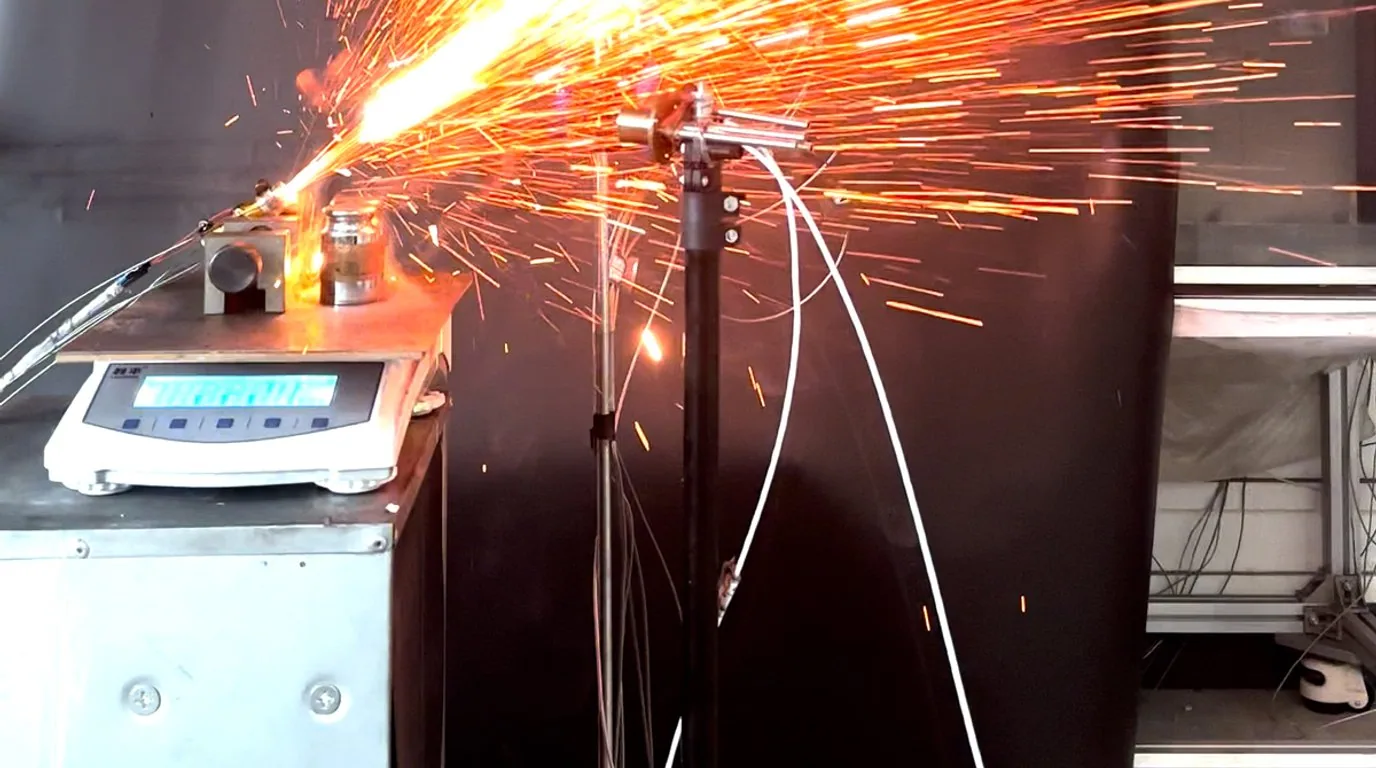
Every pack exported to high-latitude cold regions must pass cold-chamber limit testing, infrared thermal-spread scanning and extreme short-circuit anti-plating interception verification.

ac_unit

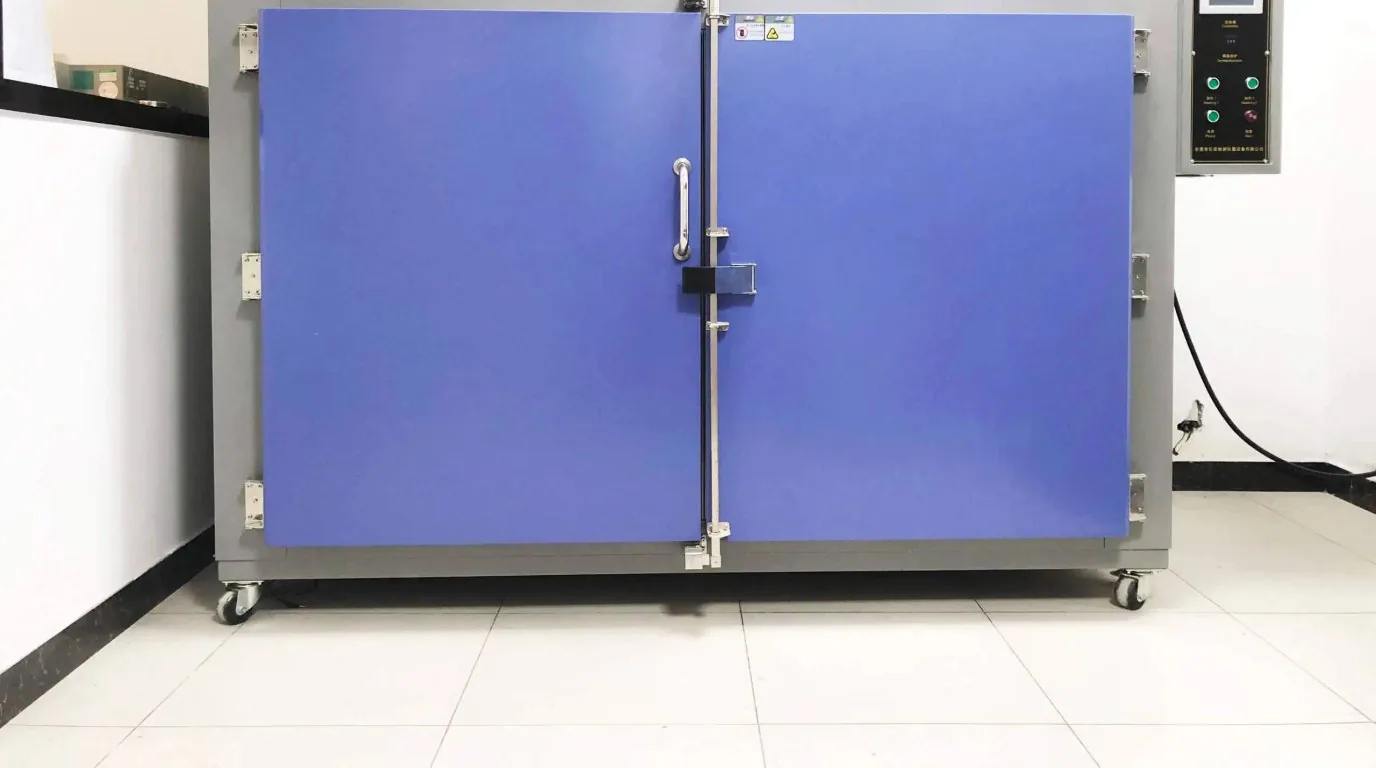
LAB 01 · Frosted-chamber discharge monitoring

A -20℃ chamber reproduces high-latitude deposition conditions while sustaining 150Ah continuous output, logging temperature rise at the enclosure and terminal cold bridges in real time.

Discharge cut-off normal · 100% pass
heat_pump

LAB 02 · PTC flexible film thermal mapping

Aviation-grade silicone heating film bonded to the cell face and baseplate is scanned with high-resolution infrared imaging to eliminate local hot-spot segregation and keep the whole pack even.

Spread ≤ 3.5℃ · heat uniformity 98.7% · no hot spots
memory

LAB 03 · BMS low-temperature charge block and pulse algorithm

Scope-monitored signal logic: below 0℃ the main charge circuit is opened unconditionally, the heating film brings the pack to 10℃, and only then does full-rate charging resume smoothly.

0℃ hard charge block · hardware plus software anti-plating · zero false trips
shield_with_house

LAB 04 · Vacuum nano insulation layer (VIP)

The pack enclosure is lined with 10mm nano aerogel felt to break the chassis metal cold bridge. Eight hours parked outdoors at -20℃ produces less than 4℃ of temperature loss.

Conductivity 0.018W/(m·K) · efficient heat retention
compare_arrowsSpecification Benchmark

Four-way benchmark of mainstream cold-weather technologies

Operating reliability in the cold season, compared across commercial light cargo tricycles, passenger tuk-tuks and high-latitude special-purpose vehicles.

Recommended solution: TIANQIU automotive-grade PTC intelligent thermal control
Key assessment metricStandard ambient-temperature pack (no heating)Generic external heat-trace retrofitTIANQIU automotive-grade PTC thermal system
-20℃ low-temperature chargingCharging forbidden (forced high current plates lithium, pierces the separator and triggers a thermal runaway)Slow warm-up with localised trace overheating; spread easily exceeds 10℃, creating local plating riskSelf-heats to +10℃ first, then smoothly activates constant-current high-rate charging with no plating risk
-20℃ usable discharge capacityOnly 40% - 50% of nameplate capacity; the vehicle is severely short on rangeBarely recovers to 65% - 70%; edge cells discharge shallowly because they stay coldStable 88% - 92% of nameplate capacity, with no protection trips under full load on gradients
Cell life fade rateMore than 30% capacity lost in a single winter, with cell resistance doublingLocal temperature spread degrades cell consistency badly and requires frequent balancing within two years3,500+ charge/discharge cycles unaffected by winter losses, with a five-year warranty
Overnight parked insulationNo insulation at all; condensate ingress means the vehicle will not start in the morningContinuous heavy power draw routinely drains the auxiliary battery and immobilises the vehicleMicro-power automatic sleep pulse insulation with nano aerogel retention; ready to drive at any time

The fundamental weakness of external heat tracing is not heating power but temperature spread and power management: localised overheating and overnight drain damage cell consistency and starting reliability at the same time. Field diagnosis of low-temperature charge faults and discharge trips is in uphill cut-off and BMS current limit diagnosis.

Specification notice:The figures above are engineering reference values. They may differ with production batch, configuration and actual duty cycle, and the percentages for life, efficiency, availability and coverage are engineering estimates and bench references. Contact us for the detailed specification sheet.

engineeringSystem Architecture

Four underlying engineering breakthroughs in the cold-weather powertrain

Moving past the industry habit of bolting on a single heating pad, we close the loop across chemistry, heat transfer, hardware control and aerogel insulation.

science

01 Dedicated low-temperature electrolyte formulation

Conventional carbonate solvents thicken readily in the cold, collapsing lithium-ion transport mobility. TIANQIU cold-series cells use a new low-viscosity carboxylate co-solvent with fluoroethylene carbonate (FEC) film-forming additive, preserving room-temperature-like discharge punch.

42% lower interfacial charge-transfer resistance at -20℃
heat_pump

02 Aviation-grade PTC self-limiting flexible heater

Unlike resistance wire, which risks localised scorching, PTC (positive temperature coefficient) material self-limits by physics: at the calibrated Curie point (about 45℃) resistance steps up sharply and cuts the heating current, so local thermal runaway is impossible.

Self-limiting, cannot overheat · 98.5% electro-thermal conversion efficiency
memory

03 Automotive dual-MCU cold-strategy BMS

Eight to sixteen precision NTC probes measure not only surface temperature but, through a core thermal-network model, the internal jelly-roll temperature. On a low-temperature charge request the BMS locks the charge relay, diverts charger energy to the heating circuit, and begins stepped charging only once the cell core averages 10℃.

Multi-channel NTC millisecond sampling · no cold-charge plating
shield_with_house

04 Ultra-light aerogel insulated enclosure

In winter the chassis is a huge metal heat sink. Inside just 1.5mm of high-strength stamped steel, TIANQIU wraps aerospace-grade micro-porous silica aerogel felt, cutting passive heat loss and holding the day-time driving warmth deep into the night.

Nano aerogel felt · conductivity down to 0.018W/(m·K)
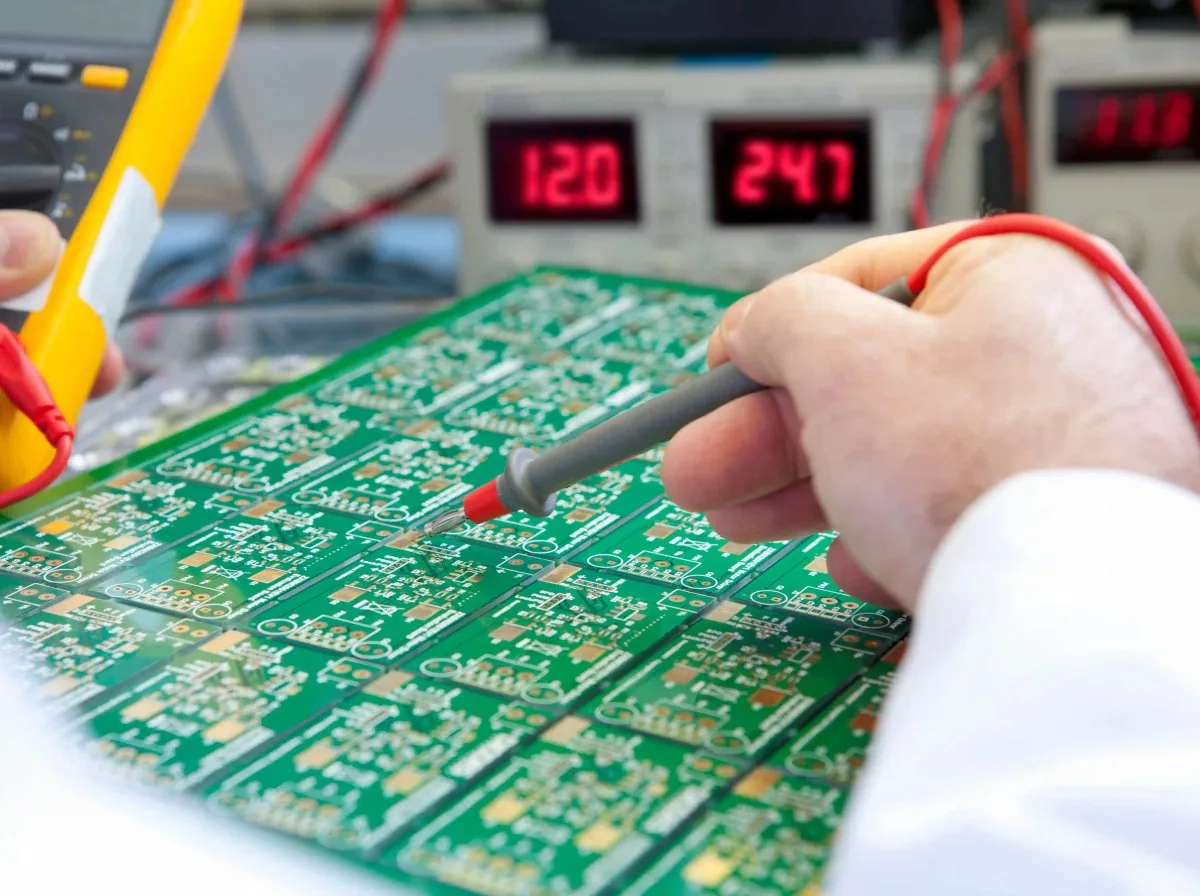
BMS smart management board and cell thermal testing
heat_pumpHeating Modes & Soak Test

Two PTC heating modes and the parked soak test

The heating film is not a simple parasitic load: on the charger it draws from the grid first, while driving it wakes only as needed, and when parked the aerogel holds the heat in.

Heat first, then chargeGrid power takes priorityMicro-power sleep insulationDrop-in replacement
  • Mode 1 · Charger plugged in: the BMS first schedules grid power to the heating film, consuming none of the stored pack energy, and starts charging only once the pack has reached a suitable temperature.
  • Mode 2 · Driving independently: when cell temperature is very low the user can trigger a scheduled wake-up self-heat, spending only 3%~5% of pack energy to bring the cells back into their efficient window — releasing more than 40% additional low-temperature discharge capacity, an excellent energy trade.
  • Parked soak test: thanks to the nano aerogel composite insulated enclosure, eight hours parked at -20℃ costs only about 4℃~6℃ at the cell core. Turning the key the next morning, the BMS self-check passes in milliseconds and delivers full cranking current without a long wait.
electric_bolt3% ~ 5%Energy spent on driving self-heat
battery_charging_full+40%Low-temperature capacity unlocked
bedtime4℃ ~ 6℃Core temperature loss over 8h parked
verified100%Cold-morning shift availability
fact_checkCold-weather operating rules
  • Below 0℃ ambient, keep the main charge circuit open: start the heating film, bring the pack to 10℃, then resume full-rate charging smoothly.
  • Before overnight outdoor parking, confirm the BMS has entered micro-power auto-sleep pulse insulation so the auxiliary battery is not drained.
  • Select the cold-series electrolyte formulation against the historical extreme minimum of the operating region — do not push an ambient-temperature model into deep cold.
helpEngineering Q&A

Cold-weather motive lithium: six practical questions answered

The six technical concerns overseas buyers, tricycle conversion shops and fleet maintenance engineers raise most often.

1. Why must a LiFePO4 pack never be charged at high current below 0℃?expand_more
Below 0℃, solid-phase diffusion at the graphite anode and ionic conductivity in the electrolyte both fall sharply. Forcing high charge current means lithium ions cannot intercalate into the anode lattice in time and instead plate as metallic lithium on the surface — the plating phenomenon. The plated lithium grows sharp dendrites that easily pierce the micron-scale polyethylene separator and cause irreversible internal short circuits, the leading cause of winter charging fires. Intelligent thermal pre-conditioning is therefore a hard requirement.
2. Does the PTC heating film run while charging or while driving, and how much energy does it consume?expand_more
It switches adaptively between two modes: ① with the charger plugged in, the BMS schedules grid power to the heating film first, consuming none of the pack energy, and charging begins once the pack is warm; ② when driving independently, if cell temperature is very low the user can trigger a scheduled wake-up self-heat, spending only 3%~5% of pack energy to bring cells back into the efficient window and unlocking more than 40% additional low-temperature capacity — a very favourable energy trade.
3. When a loaded tricycle cuts out on a climb in the cold, is the pack flat or has the BMS protected it?expand_more
It is essentially the transient voltage drop caused by higher cold resistance tripping BMS under-voltage protection. At -15℃ a conventional cell may show more than three times its ambient internal resistance. When the tricycle pulls away uphill under high torque at 80A~120A, that resistance drags terminal voltage instantly below the protection threshold. TIANQIU reduces cold resistance through cell chemistry while PTC heating keeps cell activity up, eliminating false-flat shutdowns. The diagnostic sequence is in the four-step workshop SOP.
4. How do I convert existing vehicles to low-temperature lithium in Russia, Central Asia or cold highlands?expand_more
TIANQIU uses a standard drop-in replacement structure. Enclosure dimensions remain strictly compatible with conventional lead-acid battery bays and standard tricycle subframes, with an integrated high-voltage waterproof aviation plug and CAN harness brought out as one assembly, plus a built-in intelligent heating mainboard. No additional vehicle modification or external relay box is needed — swap and drive.
5. Can the vehicle start normally in the morning after the pack has been parked outdoors at -20℃ overnight?expand_more
Yes. Thanks to the heat-retention of the nano aerogel composite insulated enclosure, eight hours at -20℃ produces only about 4℃~6℃ of core temperature loss. Turning the key in the morning, the BMS passes self-check in milliseconds and delivers ample cranking current without a long wait, supporting 100% cold-morning shift availability.
6. What warranty do you offer on cold-weather commercial packs?expand_more
For overseas commercial fleets and export vehicle builders, TIANQIU provides an industry-leading five-year or 3,500-cycle warranty, whichever comes first. Within the warranty period we guarantee capacity retention of no less than 80% of the initial nameplate value under calibrated extreme-cold duty, backed by overseas spare-parts warehouses and a fast claim response process.
verifiedExport & Custom Engineering

Get a container quotation and CAD package for cold-weather packs

Our senior powertrain engineers will issue a targeted proposal within 24 hours on working days, based on your local climate, vehicle structure and range requirement.

  • Heating power and electrolyte formulation matched to the historical minimum of the operating region
  • Drop-in structure drawings compatible with your existing lead-acid battery bay
  • Full-container (20GP / 40HQ) direct export with overseas spare-parts support
callTechnical / WhatsApp: +86 13922702227 (English, French and Arabic spoken)
location_onEBattery Office, Room 310I, Huilange BLDG, No. 273, Huangpu Blvd W, Tianhe District, Guangzhou 510620, Guangdong, China
scheduleA cold-weather engineer assigns your technical number within 24 hours on working daysac_unitHeating power and insulation recommendations for your local climatelocal_shippingEngineering samples and the container selection table issued together

Specification notice:The figures above are engineering reference values. They may differ with production batch, configuration and actual duty cycle, and the percentages for life, efficiency, availability and coverage are engineering estimates and bench references. Contact us for the detailed specification sheet.

lockProtected by NDA

We sign an international mutual NDA, protecting your vehicle drawings and technical data.