
Swappable battery pack:quick-release geometry, connector, protocol and anti-theft in one place
A swappable pack differs from a standard traction pack not in its cells but in four things around them: whether a stranger can exchange it in 30 seconds (quick-release geometry), whether the cabinet recognises it (communication handshake), whether a stolen pack can be locked out (anti-theft tracking), and whether it is charged with the right unit (charge-curve matching). This page covers the pack alone: the 12S / 16S / 24S platform specification, how slide, handle and side-draw releases differ in vehicle fit, the handshake figures for swap cabinets, and how to charge a single pack. Station engineering and franchise models live on their own pages and are not repeated here.
verifiedThe BMS handshake logic, pack outline and shell marking can be built to your cabinet interface; the specification sheet shipped with the container governs.
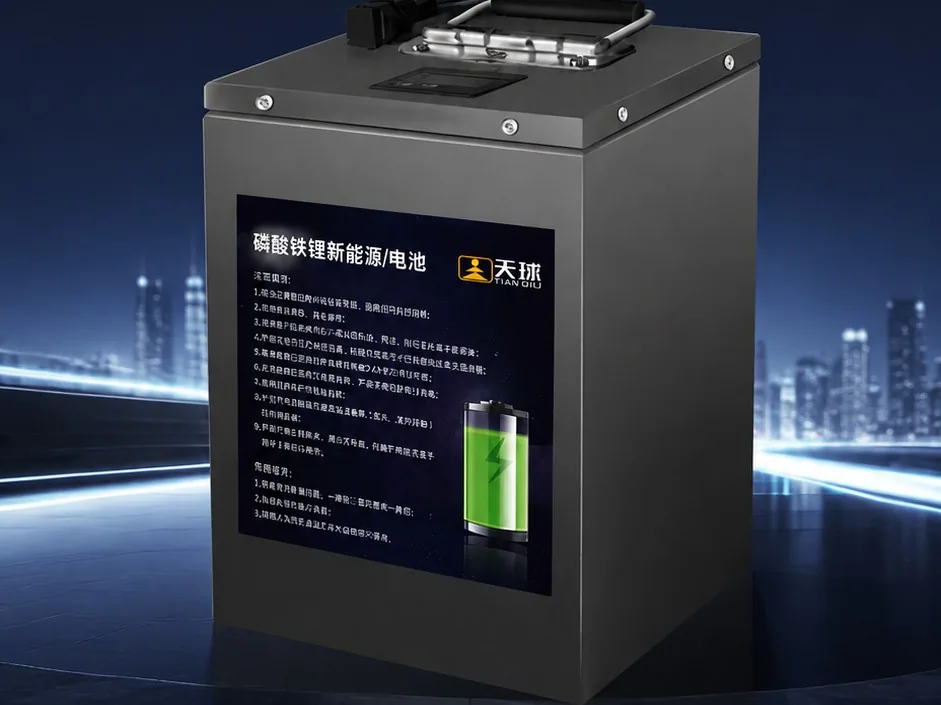
Four figures that define a swap pack
These decide whether the pack enters the cabinet, whether a rider can lift it, and how many times it can be exchanged — not the capacity number on the label.
Specification notice:The figures above are engineering reference values. They may differ with production batch, configuration and actual duty cycle, and the percentages for life, efficiency, availability and coverage are engineering estimates and bench references. Contact us for the detailed specification sheet.
Swappable pack specification: 12S / 16S / 24S platforms
Fix the platform voltage first, then the capacity step and the release style. All three platforms share one BMS communication and anti-theft architecture; they differ in string count, capacity step, pack weight and the bay they fit.
| Platform | String count and nominal voltage | Typical capacity step | Pack weight | Insertion life | Communication | Anti-theft and tracking |
|---|---|---|---|---|---|---|
| 12S light platform | 12S LiFePO4 · 36V class | Set by bay and daily distance | Light class, one-hand lift | > 10,000 | CAN 2.0B / RS485 / UART | Optional 4G Cat.1 + GPS cloud lock-out |
| 16S two-wheeler swap platform | 16S LiFePO4 · 48V / 60V (51.2V / 58.4V full charge) | 48V 24–30Ah · 60V 30–45Ah | About 18.5 kg at the 60V 45Ah step (typical) | > 10,000 | CAN 2.0B / RS485 / UART | 4G Cat.1 + GPS standard, one-click cloud lock-out |
| 16S high-frequency delivery platform | 16S LiFePO4 · 60V (51.2V / 58.4V full charge) | 50–60Ah (VT-6050-LFP-SWAP class) | About 18 – 22 kg at 7 kg/kWh | > 10,000 | CAN 2.0B / RS485 / UART | 4G Cat.1 + GPS with operating geofence |
| 24S two- and three-wheeler platform | 24S LiFePO4 · 72V (76.8V nominal / 87.6V full charge) | 45–60Ah (VT-7260-SWAP class) | About 24 – 32 kg by capacity step | > 10,000 | CAN 2.0B / RS485 / UART | 4G Cat.1 + GPS, cloud cut-off of the discharge loop |
All four platform steps use Tier-1 A-grade automotive cells; salvage and downgraded cells are refused. Cycle life is 3,500 at 1C to ≥80% SOH with a 5-year / 3,500-cycle pack warranty. The swap connector is aligned to cabinet door standards and takes high cycle counts without arcing. OEM shell marking, a custom BMS bus and per-vehicle matching are supported.
Specification notice:The figures above are engineering reference values. They may differ with production batch, configuration and actual duty cycle, and the percentages for life, efficiency, availability and coverage are engineering estimates and bench references. Contact us for the detailed specification sheet.
Release structures compared: slide, handle and side-draw
There is no better or worse here, only fit. The differences are who moves the pack and which direction the space opens: slide and side-draw hand alignment to the cabinet, while a handle hands alignment to the rider.
Cabinet-aligned: slide and side-draw
Alignment performed by the cabinet rail or side channel- cancelExchange actionPush in / draw out, 30-second classThe cabinet guides alignment, so the rider does not have to line it up
- cancelSlide-rail fitDoor-standard cabinets · upright baysBottom rail carries the load, suited to 18–20kg class packs
- cancelSide-draw fitUnder-floor longitudinal bays · low-opening bikesOpens sideways, so the bay side must be fully clear
- cancelBay tolerance8–12mm all roundWith high-damping EVA foam; no hard contact anywhere
- cancelCabinet compatibilityMust align to cabinet door standards: we design to the Gogoro and China Tower cabinet bus conventions
- cancelMain riskToo tight a rail tolerance will not enter the cabinet; too loose produces rattles and connector fretting on rough roads
Hand-swap: the handle type
Alignment performed by the rider, no cabinet needed- check_circleExchange actionOne-hand lift, no toolsAbout 18.5 kg at the 60V 45Ah step, so one hand is enough
- check_circleVehicle fitUnder-seat or upright bays · cabinet-free fleetsDelivery e-mopeds and passenger-cargo two-wheelers
- check_circlePack structureHandle plus keyed guide slotThe handle must sit above the centre of gravity so the pack does not tip during lift
- check_circleConnectorIP67 high-current aviation typeAbove 10,000 insertions without arcing, with anti-reversal keying
- check_circleBay tolerance8–12mm all roundSame basis as cabinet-aligned packs, with high-damping EVA foam
- check_circleMain riskA badly placed handle makes the pack unwieldy and can be dropped; the shell must pass a 30G three-axis shock fatigue test
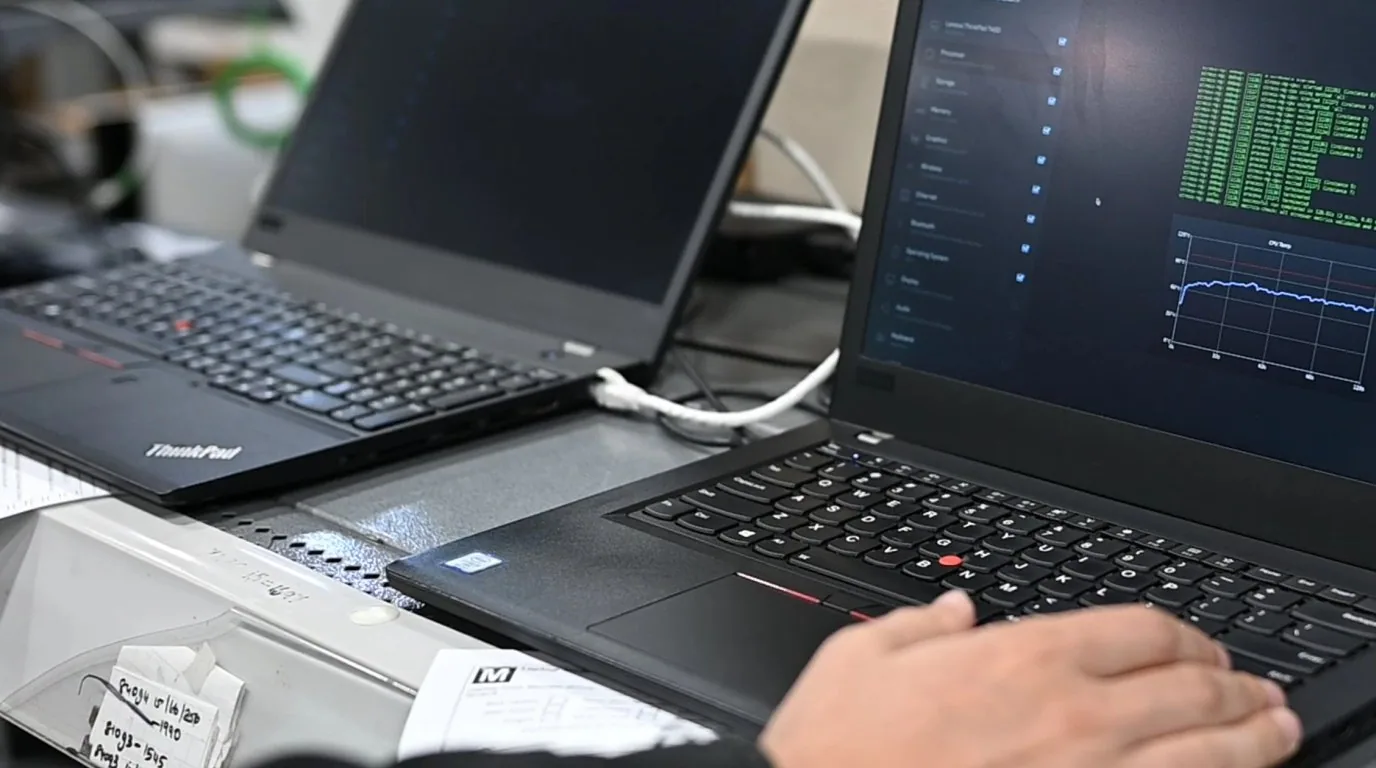
The cabinet handshake: how a cabinet recognises the pack
The first thing a swap pack does inside a cabinet is identify itself: the cabinet reads the pack identity and state, then decides how much charge current to send. A pack that fails the handshake is refused or charged at the lowest conservative rate — which is the real root cause of the common complaint that a pack goes in but charges very slowly. Our smart BMS natively integrates CAN 2.0B, RS485 and UART hardware interfaces and connects directly to China Tower, Gogoro and mainstream overseas IoT cabinet buses without modifying the cabinet.
- Hardware interfaces: choose CAN 2.0B, RS485 or UART to match the cabinet standard you already run — no cabinet changes.
- Protocol delivery: the complete communication register whitepaper and C/C++ SDK ship with the pack, not as a verbal promise.
- Commissioning support: a dedicated firmware engineer supports cabinet handshaking, stepped charge-current delivery and fault-code commissioning.
- Protection interlock: over-temperature and over-current cut 250ms early; the BMS derates above 60°C and cuts the MOS protection loop at 65°C.
- Anti-theft telemetry: an independent onboard 4G Cat.1 / GPS module with a coin-cell backup lets the cabinet and the cloud read position and lock state.
- Cabinet door standard and pack outline: we tool the shell, handle position and marking to your existing door dimensions and rail positions
- BMS handshake logic: confirm which register table the cabinet reads and we map our BMS to your protocol
- Charge-current ladder: whether the cabinet can step current on BMS request decides whether 1C fast charging actually runs at full rate
- Fault-code definitions: agree fault codes and lock commands so a pack cannot be rejected by the cabinet without a traceable reason
Carrying and charging a swap pack
People searching for a swappable battery charger usually need three answers: can the cabinet fast-charge this pack, can it be charged at home, and what goes wrong when the charger does not match.
1C charging in the cabinet is the turnover precondition
A single pack charges at 1C, taking about 70% in 30 minutes and reaching full in roughly 70 minutes. That one figure decides how many exchanges a cabinet bay can turn over in a day, and how many spare packs the site must hold.
Home slow charging is supported too
The pack accepts standard CC-CV slow charging, so a rider can take it back to a dormitory or garage and top it up overnight on the matching charger, then return it to the cabinet the next day — with no effect on pack life. Lower rate, less heat, which also makes it the safest option in hot weather.
Never reuse a lead-acid constant-voltage charger
A lead-acid charger has no CC-CV knee and no BMS handshake, so it will drive a lithium pack straight into protection or overcharge it. A swap pack needs a dedicated lithium charger, checked against the pack voltage class — 48V, 60V and 72V chargers are not interchangeable.
Temperature sets the charge rate
The operating window is -20°C to 65°C. In hot climates we recommend dropping below 0.5C to protect cycle life; in the cold the pack current-limits by policy and pairs with a self-heating film, with the BMS derating automatically by cell temperature.
Standing questions about the swappable pack itself
How does a swappable pack differ from a standard traction pack?expand_more
Will the connector loosen after many insertions?expand_more
If a pack is stolen, can I find it and lock it out?expand_more
Can I charge it at home?expand_more
What if the pack will not handshake with the cabinet?expand_more
What does a swappable battery pack cost?expand_more
Can I buy packs without joining a franchise?expand_more
Which voltage and capacity step should the pack be?expand_more
Get a pack built to your cabinet interface, with pricing
Send the cabinet door standard and interface type, target vehicle and bay dimensions, capacity step and daily exchange count. We will recommend the platform and capacity, then return FOB / CIF pricing, a spare-pack quantity and the shipping document list.
- Pack selection advice and pricing within 24 hours on working days
- A sample swap pack plus protocol whitepaper can prove the handshake before a container order
- Cabinet interfaces, vehicle parameters and protocol documents are strictly confidential; NDA available first
Specification notice:The figures above are engineering reference values. They may differ with production batch, configuration and actual duty cycle, and the percentages for life, efficiency, availability and coverage are engineering estimates and bench references. Contact us for the detailed specification sheet.