
Motorcycle conversion kit:swap the petrol engine for electric, keep the frame and body
The hard part of converting a motorcycle is not whether the parts fit — it is weight and centre of gravity. A two-wheeler balances dynamically, so shifting the pack a few centimetres fore or aft changes front-to-rear wheel load and steering feel. A motorcycle kit therefore has to settle four things: motor torque matched to how the bike is used, a controller current limit aligned with what the pack can deliver, a sprocket ratio re-derived from the rolling radius, and a bracket that reuses the original engine mounts instead of being welded to the frame. This page covers the bill of materials, the displacement-to-configuration mapping, the two- versus three-wheeler differences, the workflow and the compliance position.
verifiedMotor power, pack capacity and range are taken from this site’s published pages (the 72V capacity matrix and the retrofit kit matrix); gearing and labour time follow the kit list issued after survey.
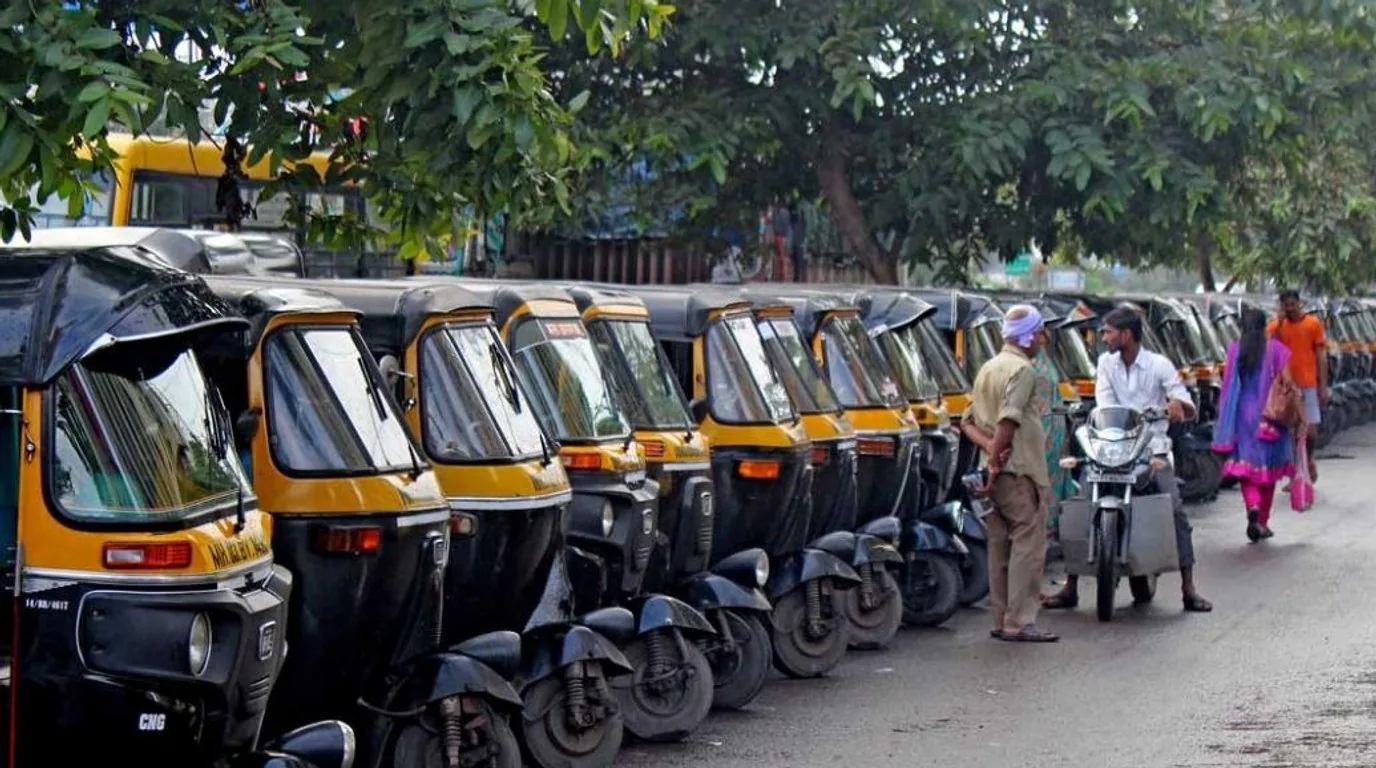
Four figures that define a motorcycle conversion
Specification notice:The figures above are engineering reference values. They may differ with production batch, configuration and actual duty cycle, and the percentages for life, efficiency, availability and coverage are engineering estimates and bench references. Contact us for the detailed specification sheet.
Motorcycle conversion kit bill of materials
Standard items ship in one crate and are everything needed to complete the build. The decisive difference from a three-wheeler is the transmission: a mid-drive build must specify a sprocket ratio, while a hub build leaves the original drive alone.
| Component | Standard / optional | Specification | What it does and how it is sized | If it is missing |
|---|---|---|---|---|
| Drive motor | Standard | 2.5kW hub motor (4.2kW peak), or 2.5–5.0kW mid-drive PMSM (4.2–9.5kW peak) | The hub version leaves the original transmission untouched and is the simplest build; the mid-drive version makes more torque with less unsprung mass, which suits two-up riding and long gradients | No drive at all |
| Vector FOC controller | Standard | Fully potted IP67, electronic brake energy recovery, upper-computer calibration | Sets launch torque, top speed and gradient ability; the current limit must be aligned to both the motor rating and what the pack can deliver continuously (150–250A platform level) | Weak launch, cut-out under load, or a burnt motor |
| Motive battery pack | Standard | LiFePO4 48V (16S, 51.2V nominal) / 60V / 72V (24S, 76.8V nominal), steel case with potted BMS bay, IP67 | Supplies range and peak current; capacity is sized on daily distance and payload, with 3C peak available for short hill climbs | Blank instrument, no power |
| DC-DC step-down module | Standard | Independent 12V supply, isolated from the main circuit by dual fuses | Feeds headlight, indicators, horn and instrument cluster. A motorcycle carries fewer lamps than a tricycle, but taking 12V straight off the bus is just as fatal | Lighting assembly and cluster burn out at switch-on |
| Instrument cluster / LCD | Standard | Voltage, SOC, speed and gear display, versioned by platform voltage | Drops into the original instrument position; neutral and indicator lamps must be checked too, and SOC must be calibrated to the BMS | No usable state of charge, unmanaged shift distance |
| Plug-and-play harness | Standard | Pre-formed modular flame-retardant loom, ignition-lock relay, keyed IP67 connectors | Plugs into the factory ignition assembly, headlight and brake cut-off switch without cutting the original loom | Hand-spliced joints, heat build-up and short-circuit risk |
| Sprocket and drive ratio | Standard (mid-drive builds) | The ratio is derived from target top speed, rear rolling radius and motor rated speed; the kit list states the front / rear sprocket tooth combination. Heavier or hillier routes can take a larger ratio (trading top speed for torque) | A mismatched ratio leaves the motor outside its efficient band — weak launch, inflated top-speed claims and higher consumption. A hub-motor build has no sprocket; check the rear axle and brake disc interface instead | Launch torque or top speed below target, with higher consumption |
| Engine-mount bracket | Standard | 3mm galvanised heavy-duty bracket, locks into the original engine mounts and chassis holes, grade 10.9 bolts and anti-vibration pads, vibration verified to 3G | Bolted, never welded or cut. A motorcycle routes load through the swingarm and subframe, so the bracket must reuse the original engine-mount load path | Motor or pack cannot be secured, and the frame safety structure is compromised |
| Dedicated CC-CV charger | Optional | Matched to the platform voltage, 10–40A, with BMS handshake | LiFePO4 requires constant-current/constant-voltage charging; the original regulator-rectifier or a lead-acid charger must never be reused | Pack never fully charges, or trips straight into protection |
| Quick-release / swap structure | Optional | Quick-release handle or a BMS version that handshakes with swap cabinets, with anti-theft positioning | Lets double-shift delivery riders swap instead of charge, cutting downtime to minutes | Shift distance limited by charging time |
| Calibration and training | Optional | Wheel diameter, gearing and payload parameters written in, plus multilingual video tutorials and an assembly manual | Covers hall self-learning, cluster SOC calibration and the loaded road test | Visible speed and SOC error, unpredictable riding experience |
The kit does not include tyres, brake shoes, body panels or local registration. Those follow the condition of the vehicle and destination regulations. For the all-in configuration with the pack included, see /conversion-kit-with-battery/.
Specification notice:The figures above are engineering reference values. They may differ with production batch, configuration and actual duty cycle, and the percentages for life, efficiency, availability and coverage are engineering estimates and bench references. Contact us for the detailed specification sheet.
Displacement mapped to motor power, voltage and capacity
Original displacement sets how the bike is used and how much performance is expected, which sets motor rating. Daily distance and route gradient set pack capacity. Size the two separately — never by picking the biggest pack.
| Original displacement / bike | Recommended motor | Battery voltage and capacity | Nominal energy | Target range | Duty cycle this row is calibrated on |
|---|---|---|---|---|---|
| 100cc class (commuting / short shuttles) | 2.5kW hub motor · 4.2kW peak | 72V 40Ah (24S LiFePO4) | ≈ 3.07 kWh | 64 – 84 km | High-speed e-moto commuting, frequent stops and starts |
| 150cc class (delivery / commuter) | 2.5kW hub motor · 4.2kW peak | 72V 45Ah (24S LiFePO4) | ≈ 3.24 kWh | 85 – 100 km | Delivery and swap duty, up to 80 km a day |
| 200cc class (two-up / long commute) | 3.5kW mid-drive PMSM · 6kW peak | 72V 60Ah (24S LiFePO4) | ≈ 4.61 kWh | 97 – 127 km | Double-shift short routes, swap two-wheeler duty |
| 250cc class (high speed / long distance and load) | 4.2 – 5.0kW mid-drive PMSM · 7.5 – 9.5kW peak | 72V 100Ah (24S LiFePO4) | ≈ 7.68 kWh | 100 – 120 km | Long-distance commuting and moderate payload, needing more energy in reserve |
Range is the typical band for that pack size on its calibrated duty cycle — not a linear extrapolation of capacity. The same pack can differ by 30% between a stop-start commute and steady delivery duty, so match the numbers to your own daily distance and average speed. Light two-wheelers can also run 48V (16S) or 60V, which saves weight where the route is limited to about 45km/h. Recorded conversion times are 25 minutes for a light two-wheeler and 35–45 minutes on the three-wheeler platform; motorcycle frames vary, so labour time is confirmed after survey.
Specification notice:The figures above are engineering reference values. They may differ with production batch, configuration and actual duty cycle, and the percentages for life, efficiency, availability and coverage are engineering estimates and bench references. Contact us for the detailed specification sheet.
Two wheels or three: why a motorcycle is more sensitive to weight and centre of gravity
Tricycle conversion (covered on its own page)
/electric-tricycle-conversion-kit/- cancelSupportA static triangle of three wheelsNo rider balance needed at rest or low speed, so the centre-of-gravity envelope is generous
- cancelTransmissionIntegrated differentialBoth rear wheels are driven and the differential absorbs the speed difference; the standard reduction ratio is 1:8.6 for loaded torque
- cancelLoad profilePayloads of 500 – 1000kgDropping the pack under the passenger seat actually lowers the centre of gravity, and the axle load ratio can be held at 42:58 after ballasting
- cancelTypical gain240kg of lead-acid becomes 81kg of lithiumThe weight removed turns straight into payload or range
- cancelRecorded labour35 – 45 minutesTwo experienced technicians following the five-step sequence
Motorcycle conversion (this page)
/electric-motorcycle-conversion-kit/- check_circleSupportSingle track, dynamic balanceCentre-of-gravity height and fore/aft position feed directly into handling and braking stability; a small shift changes wheel load and steering feel
- check_circleTransmissionChain drive or hub direct driveA mid-drive build re-derives the ratio from rolling radius and target speed; a hub build keeps the original rear wheel assembly
- check_circleLoad profileOne or two ridersFar less total mass than a tricycle, but weight changes move acceleration, braking distance and suspension response more directly
- check_circleStructural limitsA tight frame triangleThe pack sits along the longitudinal axis near the original engine centre of gravity and must not foul suspension travel or chain tension
- check_circleRecorded labour25 minutes for a light two-wheelerSimpler than a tricycle, but non-standard frames still need a survey and dedicated bracket
Five steps to convert a petrol motorcycle
No frame cutting and no welding at any stage, with the bracket locking into the original engine mounts. Every build closes with a loaded road test and a signed handover sheet.
- 01oil_barrel
Strip the fuel system and drivetrain
Drain residual fuel and remove the tank, carburettor (or injection system), exhaust, engine and starter. Removing the tank changes the original weight distribution, so measure static front and rear axle load and clean the installation bay.
Note: the fuel system removed is generally not reusable and is disposed of under local environmental rules - 02handyman
Position the pack and bolt the bracket
Set the pack longitudinally over the original engine centre of gravity, then lock the 3mm galvanised heavy-duty bracket into the original engine mounts and chassis holes with anti-vibration pads and double anti-release clamps, vibration verified to 3G.
Note: pack position sets front-to-rear wheel load — fix it before wiring - 03settings
Fit the motor and set the ratio
A hub build replaces the rear wheel assembly; a mid-drive build mounts the motor and derives the ratio from target top speed, rear rolling radius and motor rated speed, then changes the front and rear sprockets and chain and sets chain tension and wheel alignment.
Note: the ratio comes from the kit list, never estimated on the bench - 04power
Plug in the BMS and vehicle harness
Connect the high-current main terminals, then plug the smart BMS into throttle, gear selector and brake cut-off in one action. An integrated pre-charge resistor prevents arcing at power-up; the 12V rail runs from an independent DC-DC.
Note: dual fuses plus independent 12V step-down supply - 05speed
Calibrate and road test
Write wheel diameter, gearing and payload parameters over Bluetooth or with a handheld tool, verify hall self-learning and cluster SOC accuracy, then run loaded acceleration, braking and hill-hold tests.
Note: released only against a signed handover checklist
Road legality: destination law governs
Vehicle class and licence
Once a motorcycle is converted, changes in top speed and kerb weight can move it into a different vehicle class, which affects plates, licence category and insurance. Whether the original frame may be kept and how the vehicle is registered is governed by destination law. We supply the technical dossier to support your filing, but we do not replace local approval.
Lithium shipping documents
Transport requires UN38.3, MSDS and a dangerous-goods packing certificate (Class 9), all shipped with the container. Market access depends on the destination: Pakistan CPFTA / Form E, South Africa NRCS LOA, while the UK and Australia follow their own lithium-battery and vehicle approval rules.
Where the warranty stops
The motive pack carries a 5-year / 3,500-cycle term; motor, controller and harness follow the container warranty terms. Where the build is carried out by a local bay, workmanship responsibility and product responsibility are stated separately in the quotation.
Electric motorcycle conversion kit questions
What has to be replaced on a motorcycle?expand_more
What does it cost with the battery included?expand_more
Can I keep the original frame?expand_more
How fast will it go?expand_more
How much range will I get?expand_more
Will it be road legal?expand_more
How do you ship to Pakistan and South Africa?expand_more
Will one kit fit both motorcycles and tricycles?expand_more
Three pages to read next
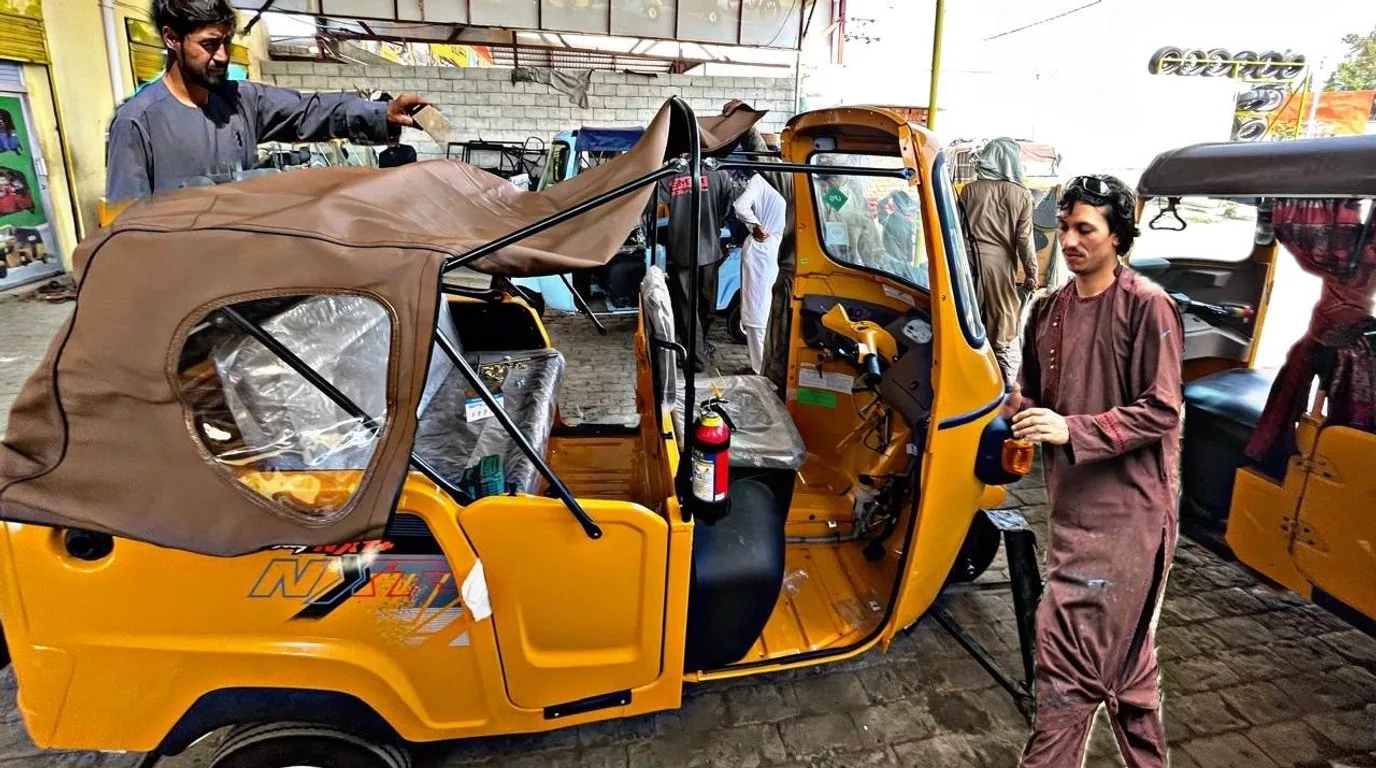
Tricycle conversion kit
Integrated differential, ballasting and load-carrying logic — a different design problem from a motorcycle.
See the tricycle kitarrow_forward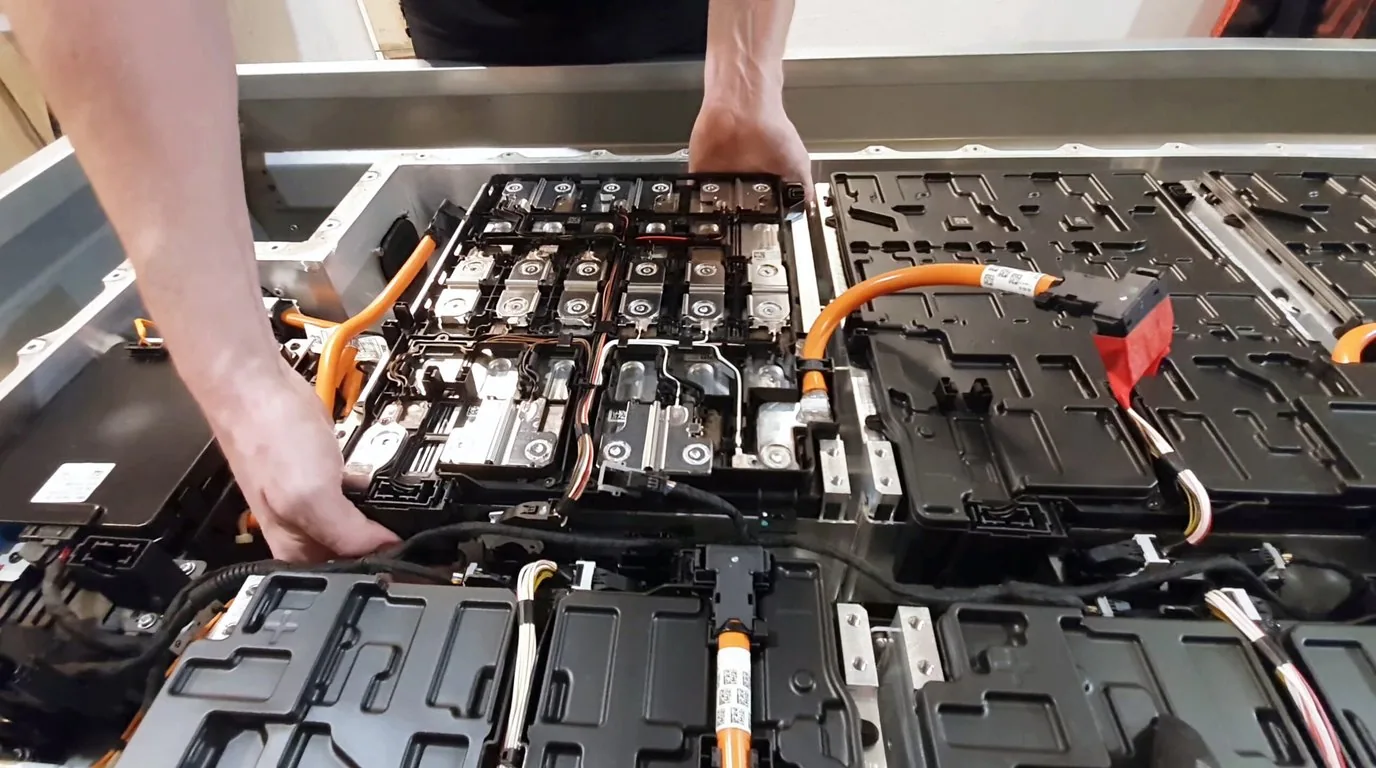
Kit with battery included
Exactly what is in the crate and what is not, the three build packages and the document set that ships with it.
See the kit with batteryarrow_forward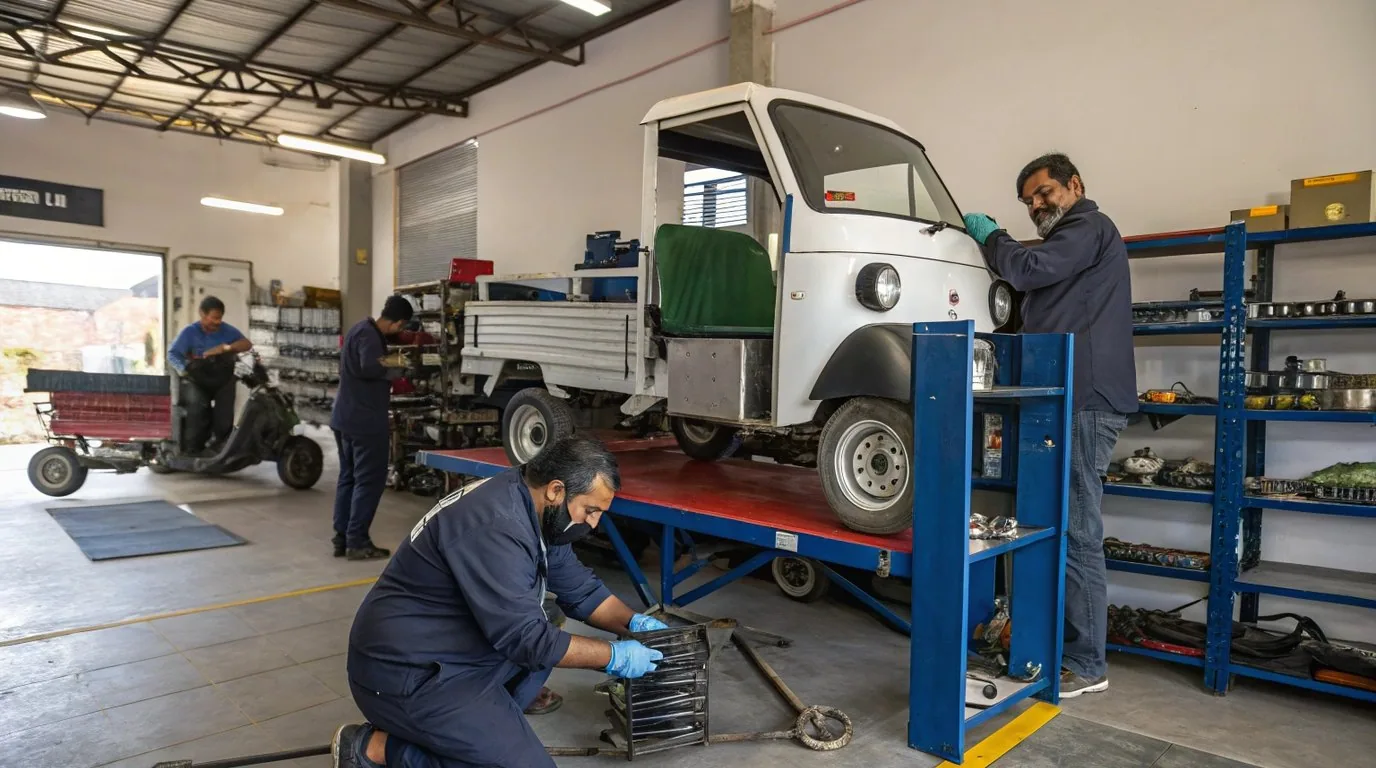
Global retrofit engineering guide
Workshop-floor records, the logic behind the weld-free bracket holes, and tropical heat and monsoon wading countermeasures.
Open the guidearrow_forwardGet a kit list and quotation for your motorcycle
Send the original brand and model, displacement, typical riders and payload, daily distance and destination port. We will size motor power, pack capacity and gearing, then return FOB / CIF pricing and the shipping document list.
- Kit configuration advice and pricing within 24 hours on working days
- Sample kits available to prove engine-mount holes and harness length before you commit to a container
- Vehicle and market-access documents are strictly confidential; NDA available first
Specification notice:The figures above are engineering reference values. They may differ with production batch, configuration and actual duty cycle, and the percentages for life, efficiency, availability and coverage are engineering estimates and bench references. Contact us for the detailed specification sheet.
The vehicle details and conversion plans you submit are used only for kit selection and remain strictly confidential.