
Shipping policy:dangerous-goods freight, container documents and destination customs
Motive lithium batteries ship as UN 3480, Class 9 dangerous goods and cannot be booked as general cargo. This page covers how we book and load, which documents travel with the container, who clears customs at destination, how the delivery terms place risk, and how a damage claim starts within 7 days of receipt. Reference loading: about 180 units per 20GP and 320+ per 40HQ.
verifiedThis page states transport policy; it does not replace the contract or the booking confirmation. Sailing dates, freight rates and space follow the booking in hand, and all amounts follow the signed contract.
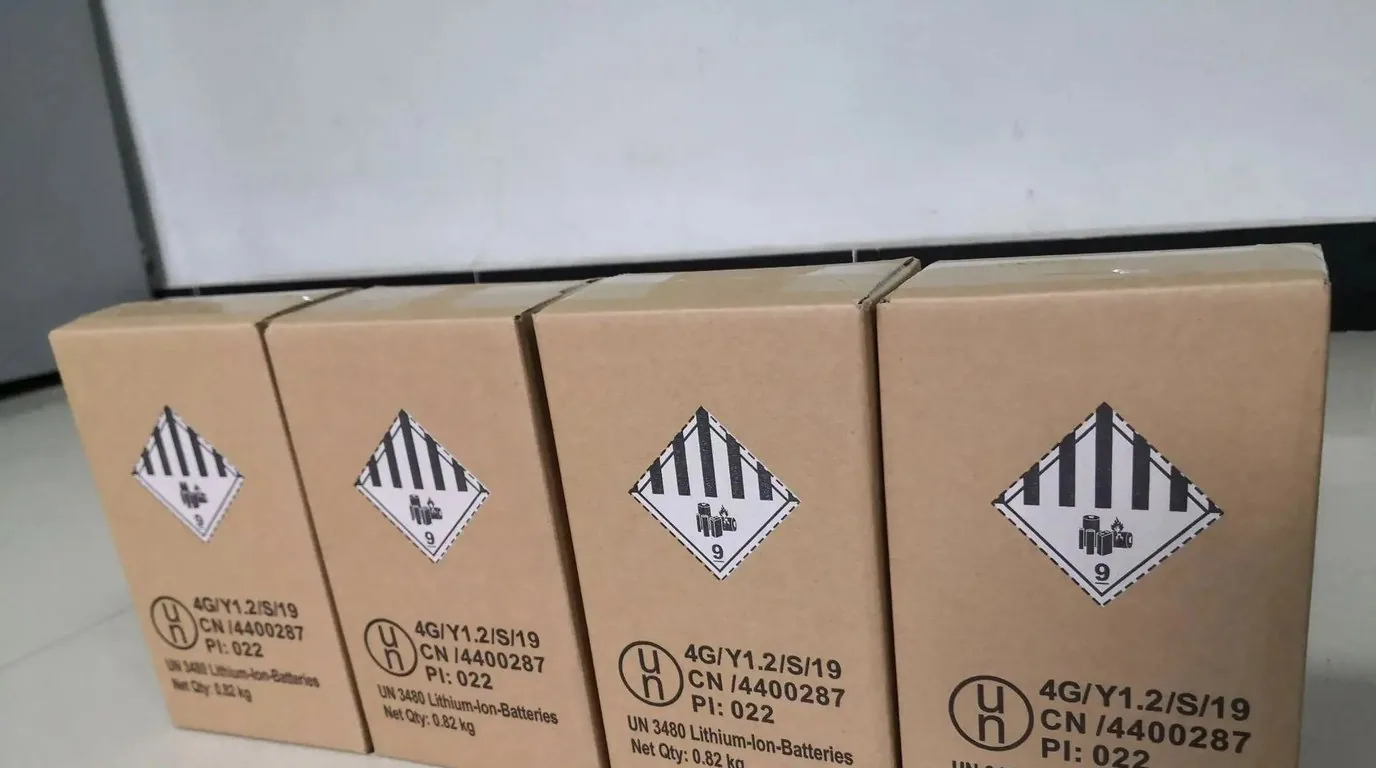
Ten transport points, factory to destination port
In the order buyers actually ask: why it is dangerous goods, packaging and paperwork, how it moves, who clears customs, who pays duty, and what happens if something arrives damaged. Any fee amount or compensation cap follows the signed contract.
dangerous1. Why lithium batteries must move as dangerous goods
Air and sea rules require a controlled state of charge, protection against short circuit and crushing, and packaging that has been tested and certified. We complete all of this before dispatch and file the dangerous-goods declaration with the carrier. If you nominate your own forwarder, confirm its DG handling qualification first — otherwise you risk refused loading, rolling and demurrage.
fact_check2. The three documents that must travel with the goods
MSDS — the safety data sheet, listing composition, hazards and emergency response.
Dangerous-goods packaging certificate — the certificate confirming this packaging is approved for Class 9 shipment.
All three ship with the container, with electronic or stamped versions available on request for your destination.
package_23. Packaging and marking
Nameplates and accompanying documents are provided in the language your destination requires. To print your own brand and barcode on the packaging, send artwork before order confirmation; we build to your OEM specification and photograph the finished goods before loading.
directions_boat4. Mode of transport: full-container sea freight first
LCL must be declared separately under dangerous-goods rules, with restricted routes and space — suitable only for small replenishment orders. Air freight must meet the dangerous-goods air rules and each carrier’s own limits, and is usually limited to samples with a full test file. Cross-border road follows the requirements of the border crossing and transit countries, so the crossing’s DG policy must be confirmed in advance.
anchor5. Departure ports and loading
Before loading we complete the factory inspection and photographic record, treat the container against moisture and load shift, and apply the dangerous-goods markings. If you want a third-party inspection or to watch the loading by video, book it in advance and we will supply the loading record and photographs.
description6. Documents that travel with the container
Anything else your port or letter of credit requires is added on request (bill of lading, insurance policy, third-party inspection report). We issue electronic versions with the container and courier originals as the contract and L/C provide.
gavel7. Destination customs duty split and market approvals
Market access: individual markets impose their own approvals on motive batteries — commonly India AIS-156, Indonesia SNI, South Africa NRCS LOA, Nigeria SONCAP, Kenya PVoC / KEBS, Thailand TISI, Vietnam QCVN 91, plus Sri Lanka SLS 1656, Tanzania TBS PVoC, Egypt GOEIC / ACID and Pakistan CPFTA. We supply the matching certificates and test data for your market and set out the approval timeline and required files at quotation stage.
handshake8. Delivery terms and transfer of risk
EXW — ex works; collection, inland haulage and export declaration are arranged by the buyer.
FOB — we handle export declaration and load on board; risk passes as the goods cross the ship’s rail (or at the agreed point).
CIF — we carry sea freight and basic insurance to the destination port; risk still passes at the port of loading, and destination clearance and collection remain with the buyer.
The exact risk-transfer point, insurance scope and insured value follow the signed contract and its trade terms. DDP or delivery into an overseas warehouse must be confirmed separately — this page makes no default promise of either.
receipt_long9. Duty and taxes are borne by the buyer
Where your market has a preferential trade arrangement we provide origin documents such as Form E on request, but eligibility for the preferential rate is decided by the destination customs authority. We recommend confirming the commodity code and duty position with your broker before ordering.
report10. Damage and claim procedure
1) Inspect before signing — photograph or video the container opening and unloading, and record the seal number.
2) Keep the packaging as it is — do not dismantle packs or discard cartons and cushioning.
3) File by email — send photographs, video, the signed receipt and the container and carton list to sales@erickshawtrikebattery.com.
4) Liability decision — we check the transport chain with the carrier: transit damage follows the carrier’s claim channel, product faults follow the warranty and RMA process.
Compensation scope and any cap follow the signed contract. The full document set and handling detail are in the sea freight compliance guide.
The six shipping and clearance questions buyers ask most
Can lithium batteries be shipped as general cargo?expand_more
How many packs fit in a 20GP or 40HQ?expand_more
Is air freight possible?expand_more
Who clears customs at the destination?expand_more
Who pays duty and destination charges?expand_more
What if the goods arrive damaged?expand_more
Model the container freight to your destination port
Send the destination port, pack model and quantity, payload and daily distance. We will return EXW / FOB / CIF freight modelling, a container loading plan and the document list, plus the market approval requirements for your destination.
- Quotes include the loading plan and dangerous-goods document list, excluding destination duty and clearance fees
- Samples in 3–5 days to prove the duty cycle before committing to a container and sailing
- Nominated forwarders, third-party inspection and video-supervised loading all accommodated
Specification notice:The figures above are engineering reference values. They may differ with production batch, configuration and actual duty cycle, and the percentages for life, efficiency, availability and coverage are engineering estimates and bench references. Contact us for the detailed specification sheet.