
Replacement batteries for electric motorcycles:measure the bay first, then fix voltage and capacity
A replacement pack bought on the wrong dimensions has to be shipped back. Price, weight and shape are all set by three things: the battery bay, the voltage platform and the controller current limit. Get the dimensions wrong and no specification will fit. This page gives a bay-size lookup table, the handle / lock / connector details of a removable pack, the pre-replacement checklist and whether a fixed bay can be converted.
verifiedDimensions and capacity are confirmed against your measured bay; UN38.3, MSDS and the dangerous-goods packing certificate travel with every container.
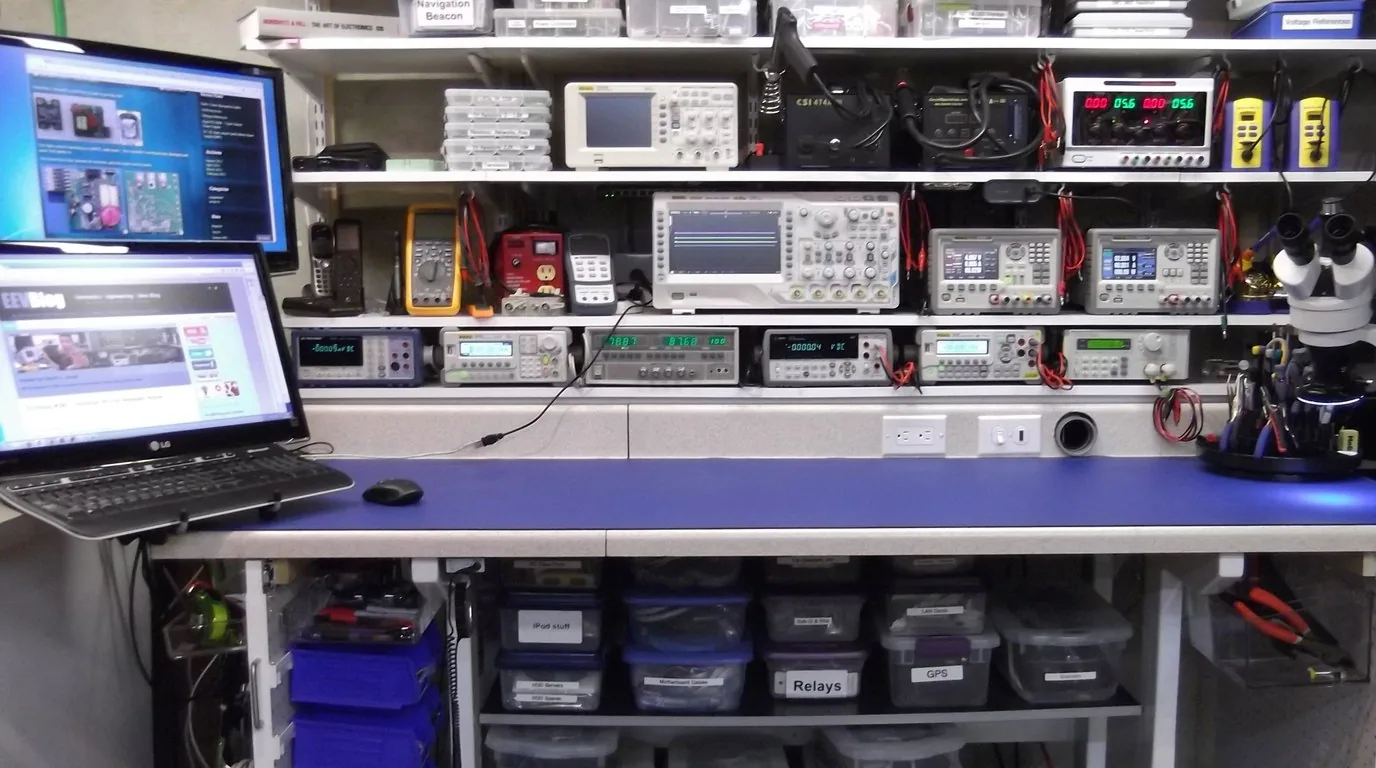
The four data points that decide whether a pack fits
Specification notice:The figures above are engineering reference values. They may differ with production batch, configuration and actual duty cycle, and the percentages for life, efficiency, availability and coverage are engineering estimates and bench references. Contact us for the detailed specification sheet.
Battery bay size lookup: work back to voltage and capacity
Measure the clear internal space first (length × width × height, including the space taken by connectors, handle and lock), find the matching bay range below, then choose capacity by payload and daily distance. A matching bay and voltage means a direct fit; changing voltage needs the controller and cluster checked as well.
| Bay L × W × H (range) | Typical vehicle and duty | Voltage platform | Capacity combinations | Pack weight (typical) | Reference pack model |
|---|---|---|---|---|---|
| ≈ 320–380 × 230–290 × 200–250 mm | Delivery e-motorcycle / swap two-wheeler, high turnover | 60V (16S LFP) | 60V 50 – 60Ah | ≈ 21 – 25 kg | VT-6050-LFP-SWAP |
| ≈ 330–400 × 220–280 × 200–260 mm | High-speed e-motorcycle, long-distance commuting | 72V (24S LFP) | 72V 40 – 60Ah | ≈ 22 – 32 kg | VT-7240-EMOTO · VT-7260-SWAP |
| ≈ 420–520 × 300–360 × 240–300 mm | Passenger e-rickshaw, 4–5 passengers | 48V / 51.2V (16S) | 51.2V 100 – 120Ah | ≈ 36 – 43 kg | VT-48100-AIS156-MAX |
| ≈ 480–580 × 320–380 × 260–320 mm | African passenger tricycle, hot and heavily loaded, unpaved roads | 60V / 72V platform | 60V / 72V 120 – 140Ah | ≈ 64 – 75 kg (72V) | VT-72130-TROPICAL-HD |
| ≈ 520–620 × 360–420 × 280–340 mm | Heavy cargo tricycle, 800–1000 kg rated payload | 72V (24S LFP) | 72V 160 – 200Ah | ≈ 86 – 107 kg | VT-72180-CARGO-PRO · VT-72200-CARGO-MAX |
| ≈ 460–560 × 300–360 × 240–300 mm | Resort golf cart / site shuttle | 48V / 72V platform | 48V 105 – 150Ah | ≈ 35 – 50 kg | VT-48105-GC-CANBUS |
Bay sizes above are the common ranges for each vehicle class; the same model varies between body builders and batches, so your measured clear internal dimensions govern (including connector, handle and lock clearance). Pack weight assumes steel enclosure, BMS and harness at roughly 7 kg/kWh (±5%). For the capacity and range basis see the real capacity and range guide.
Specification notice:The figures above are engineering reference values. They may differ with production batch, configuration and actual duty cycle, and the percentages for life, efficiency, availability and coverage are engineering estimates and bench references. Contact us for the detailed specification sheet.
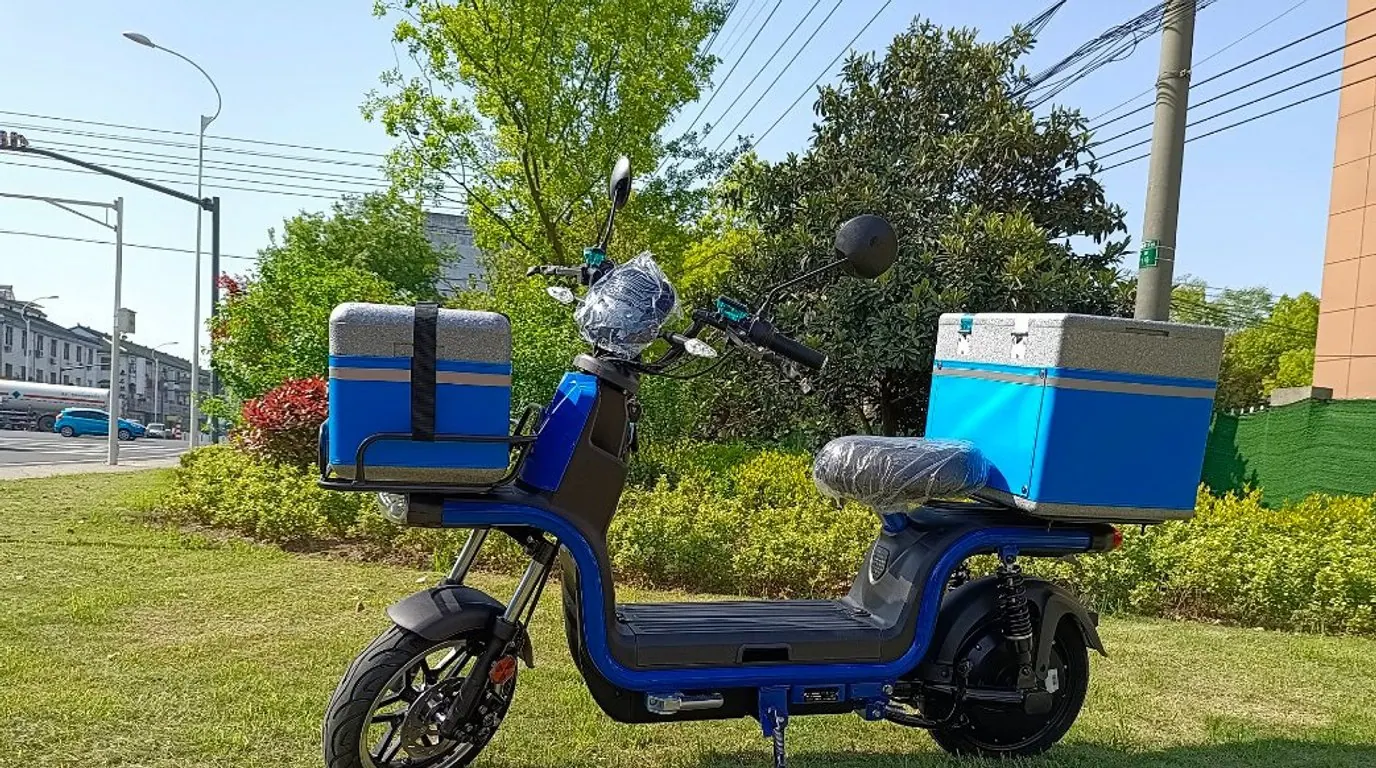
Handles, locks and connectors on a removable pack
Removable does not simply mean putting cells in a box. Whether one person can lift it out, whether it stays locked, whether it can be plugged in the wrong way and whether it still works once removed all come down to four decisions: handle load path, lock reinforcement, keyed terminals and BMS authorisation logic. They have to be right at the design stage.
- Handle and centre of gravity: the handle is laid out for a one-handed lift with the load path through the pack centre of gravity, so insertion does not twist or scuff the bay. The module shell follows the bay rails and locating slots rather than being held by a compression bar alone.
- Lock and retention: mechanical key lock, key plus solenoid lock, or an electronic lock tied to the vehicle controller. The lock body and the bay reinforcement plate are one design, so a forced lever does not tear the bay open.
- Connectors: power terminals are selected against continuous discharge current (150–250A platform level, 3C peak for short climbs) and use aviation connectors with keyed, poka-yoke location. Signal side runs a dual isolated CAN / RS485 bus to handshake with the instrument cluster and swap cabinet.
- Anti-theft and traceability: one code per pack; the BMS only permits discharge after a handshake with an authorised vehicle or swap cabinet, and outputs nothing when removed. Positioning and encrypted firmware can be layered on, so a stolen pack cannot be used.
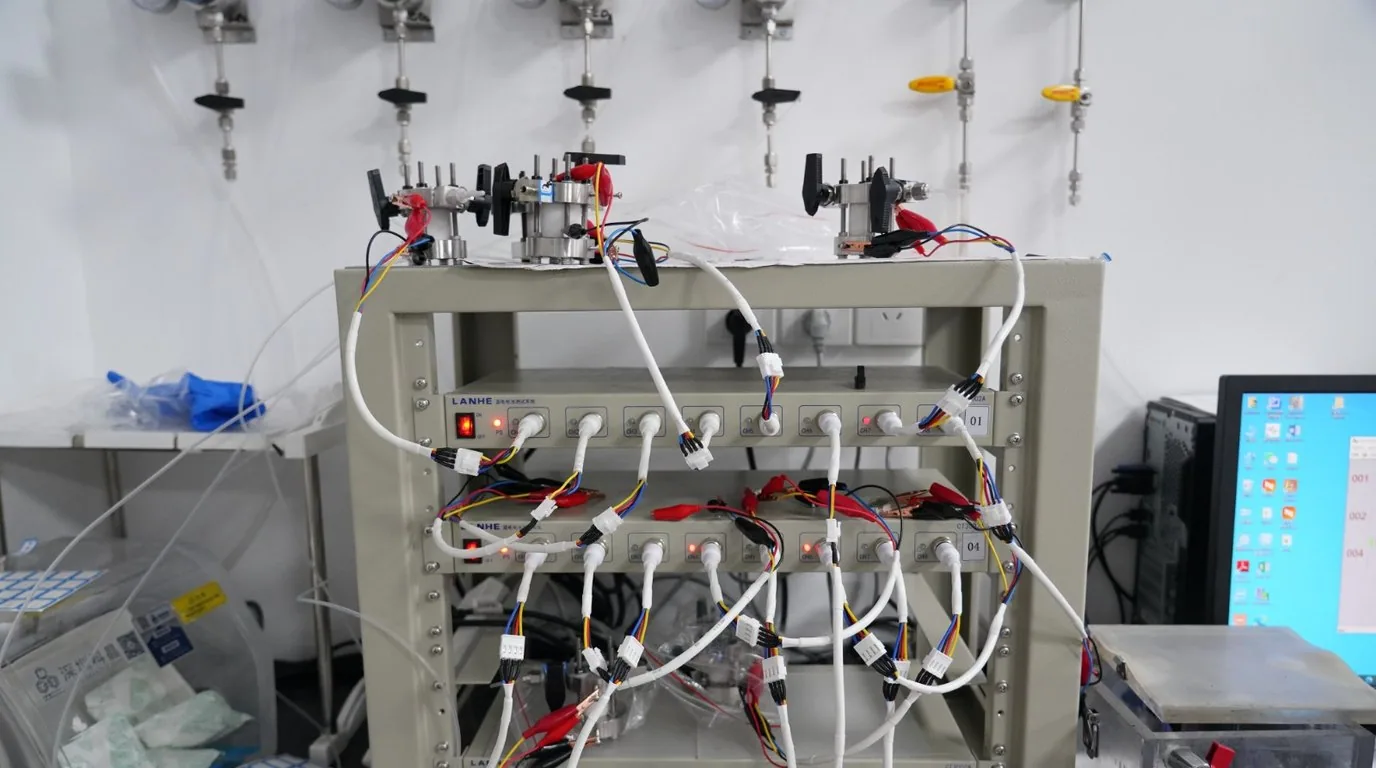
Four checks to run before you order a replacement pack
All four checks can be completed in one pass at the vehicle before fitting, but missing any one of them can turn into a shutdown, a burnt controller or a locked vehicle on a climb, in the rain or at a swap cabinet. Finish the checks first and you avoid shipping a container back.
- Controller current limit: the controller rated and peak current limits must cover the BMS continuous and peak discharge capability (150–250A continuous at platform level, 3C peak for short climbs), otherwise the controller thermally trips on a climb while the pack still has margin.
- Connector polarity: check the positive, negative and signal definitions pin by pin. Lithium harnesses and the factory lead-acid loom are frequently ordered differently, and reverse connection destroys both the BMS and the controller.
- Bay retention method: confirm whether the original bay uses a compression bar, straps or rails. Fixing points must stay clear of the enclosure pressure-relief valve and respect the harness bend radius so vibration does not wear through insulation.
- Instrument cluster handshake: if the cluster reads SOC from the original BMS, confirm protocol and baud rate. Without a handshake the state of charge may not display, or the vehicle may raise a fault and refuse to power up.
Converting a fixed bay to a removable pack: feasible if the bay allows it
Keep the fixed installation
Change the pack, not the bay- cancelBattery changeOpen the bay, drop the harnessEvery pack change disturbs wiring and takes time on site
- cancelRechargingVehicle-bound charging only, so the vehicle is off the road longer and a spare vehicle is needed at peak
- cancelWhen it fitsBay has no rails or lock reinforcementA conversion means rebuilding the bay, and the cost often exceeds the benefit
- cancelMaintenanceHarness and connectors flex repeatedly inside the bay, so faults stay hidden
Convert to a removable module
Vehicle and battery decoupled- check_circleBattery changeLift out by the handleTool-free, one person, can be done under cover in the rain
- check_circleRechargingCharge off the vehicleThe vehicle stays in service and can use a swap cabinet or a bench charger
- check_circlePrerequisiteClearance for rails and a lock bodyKeep the lock reinforcement plate and the keyed connector location
- check_circlePaybackPaired with a swap cabinet it keeps high-turnover delivery vehicles on the road all day and extends the vehicle service life
Replacement battery questions we answer most often
How do I know which size to buy?expand_more
Can I replace only the battery and keep the vehicle?expand_more
Do I need a new controller after switching to lithium?expand_more
Will a removable battery be stolen?expand_more
What if the communication protocol does not handshake?expand_more
What does it cost?expand_more
How much range do I gain by switching to lithium?expand_more
How long do production and shipping take?expand_more
Once the bay and size are fixed, check these three pages
48V LiFePO4 battery packs
The 48V / 51.2V (16S LFP) capacity matrix for light passenger duty, including the swap-cabinet communication build.
See the 48V platformarrow_forward60V LiFePO4 battery packs
The widest-coverage step for delivery two-wheelers and passenger rickshaws, with calculated bus current and copper loss at equal power.
See the 60V platformarrow_forwardTwo-wheeler power and swap
Complete packs for high-turnover delivery and swap operation: lift-out structure, BMS protocol adaptation and fleet delivery.
See the two-wheeler platformarrow_forwardSend your bay dimensions and we will quote a pack that fits
Give us the bay length × width × height, the vehicle voltage platform, payload, daily distance and motor rating, and we will return the replacement selection, FOB / CIF pricing, container allocation and the shipping document list.
- Selection advice and pricing within 24 hours on working days
- Sample packs available to prove fit and duty cycle before committing to a container
- Vehicle parameters and market-access documents are strictly confidential; NDA available first
Specification notice:The figures above are engineering reference values. They may differ with production batch, configuration and actual duty cycle, and the percentages for life, efficiency, availability and coverage are engineering estimates and bench references. Contact us for the detailed specification sheet.