
48V, 60V or 72V?the voltage decision for two- and three-wheelers, answered
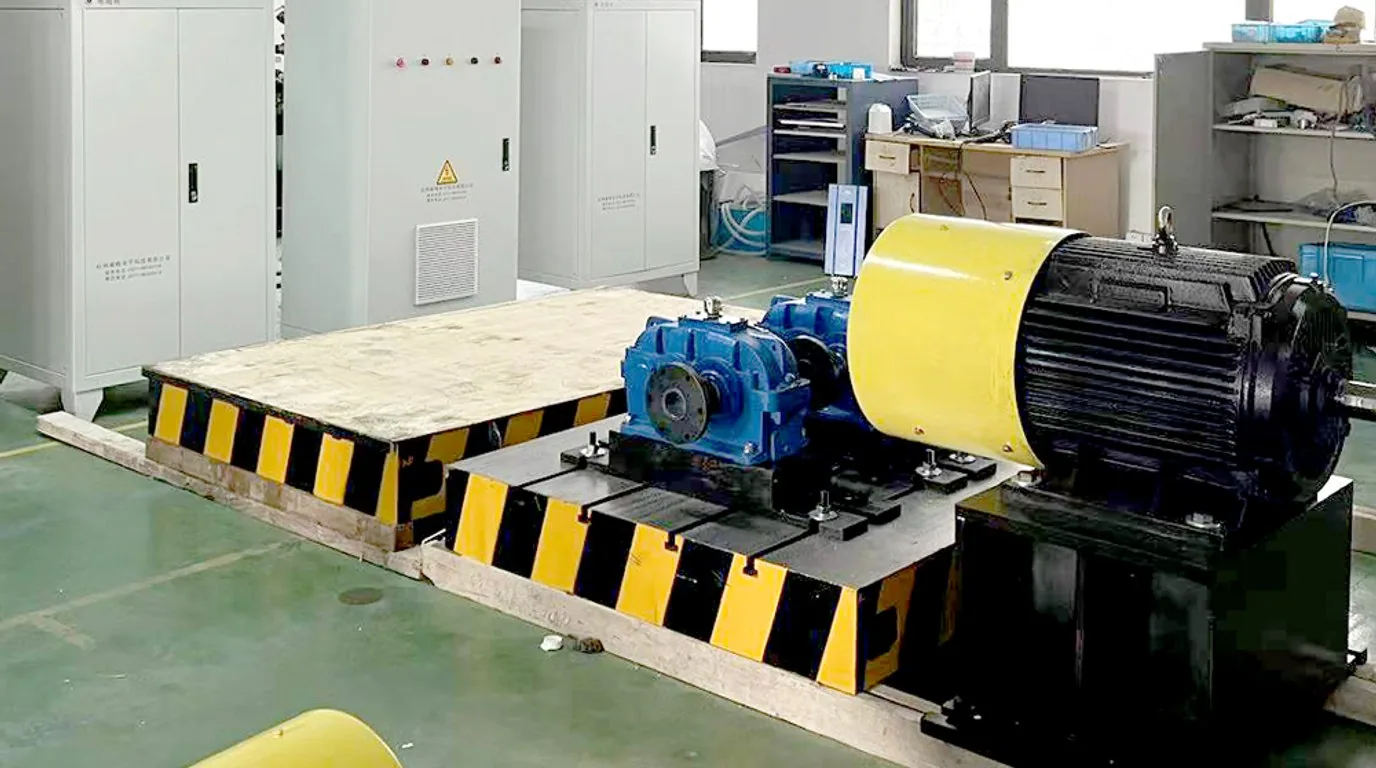
The short answer: fix the voltage from motor rating, daily distance and everyday payload, not from “higher is better”. On one dynamometer channel at an equal 3000W at the axle, the 16S platform (48V and 60V share one pack) carries about 58.6A and the 24S platform (72V) about 39.1A. Going from 48V to 72V cuts continuous bus current 33.3%, harness copper loss 55.6% and lifts system drive efficiency to 89.4%. The cost is just as real: a 72V pack reaches 87.6V at full charge, so the controller MOSFETs must be rated 100V–120V automotive, the bay has to take a 24S pack, and the charger must be replaced. For light, short-route duty, staying at 48V or 60V is cheaper and lighter.
verifiedBench figures come from one dynamometer channel at the same 3000W rated load and can be independently re-checked; your vehicle parameters and the signed specification sheet govern the final build.
What the three platforms actually compare
Specification notice:The figures above are engineering reference values. They may differ with production batch, configuration and actual duty cycle, and the percentages for life, efficiency, availability and coverage are engineering estimates and bench references. Contact us for the detailed specification sheet.
The decision table: motor power × daily distance × payload
Read the motor rating first, confirm with daily distance and payload, then close out on controller rating and harness cross-section. Bus current is calculated at an equal 3000W at the axle.
| Motor rating | Everyday payload | Typical daily distance | Recommended platform | Bus current at 3000W | Economical cruise speed | Controller MOSFET rating | Recommended main harness |
|---|---|---|---|---|---|---|---|
| 800W – 1500W | One rider · cargo ≤ 30kg | 40 – 70 km | 48V (16S LiFePO4 · 51.2V / 58.4V full charge) | About 58.6A (16S platform baseline) | 25 – 35 km/h | ≥ 75V | ≥ 16 – 25 mm² |
| 1500W – 2500W | Rider plus delivery box · ≤ 100kg | 70 – 120 km | 60V (16S LiFePO4 · 51.2V / 58.4V full charge) | 40 – 50 km/h | ≥ 75V | ≥ 10 – 16 mm² | |
| 2500W – 5000W+ | Two-up / mountain grades · ≥ 150kg | 90 – 160 km | 72V (24S LiFePO4 · 76.8V / 87.6V full charge) | About 39.1A (33.3% lower than the 16S platform) | 55 – 75 km/h+ | Must be ≥ 100V – 120V automotive | ≥ 6 – 10 mm² |
The gain from 48V to 72V follows from Joule heating itself, not from control-strategy tuning. MOSFET rating must cover the full-charge voltage plus the back-EMF peak: a 72V system reaches 87.6V at full charge and 98.4V transient Vpeak during downhill regeneration, so 100V-rated MOSFETs are required. Check the motor back-EMF constant (Ke) and the stator enamel temperature class before raising voltage. The full process is in the working voltage selection guide.
Specification notice:The figures above are engineering reference values. They may differ with production batch, configuration and actual duty cycle, and the percentages for life, efficiency, availability and coverage are engineering estimates and bench references. Contact us for the detailed specification sheet.
Raising voltage is not free performance: three things change together
Fitting a 72V pack to a 48V vehicle buys lower current at the expense of the vehicle electrical system. Controller, battery bay and charger must all be settled before a quotation is issued — miss any one of them and it becomes rework.
- Controller MOSFET rating: a 72V system reaches 87.6V at full charge with a 98.4V transient Vpeak during downhill regeneration, so the controller must be rated 100V – 120V automotive; the 75V MOSFETs of a 48V platform carry a breakdown risk.
- Battery bay volume: a 24S pack differs from 16S in string count and outline, so length and height must be re-checked even at equal capacity. If the bay will not take it, the options are modifying the bay, dropping a capacity step, or splitting the pack.
- Charger: a CC-CV lithium charger matched to the new string count is mandatory (24S for 72V). A lead-acid constant-voltage unit must never be reused, and 16S / 24S chargers are not interchangeable.
- Insulation and the low-voltage circuit: 72V crosses into the high-voltage zone, so reinforced insulation and a matching DC-DC step-down module are required or lights, horn and instrument cluster will fail first.
- Within 40 – 70km a day, one rider, cargo under 30kg: 48V is already enough, and raising voltage only adds cost and more than ten kilos of pack.
- Routine delivery or passenger duty at 70 – 120km a day: 60V is already the widest-coverage step and the gain from 72V rarely covers the controller work.
- The bay will not take a 24S pack and has no reinforcement position: modifying the bay usually costs more than fitting a larger pack at the same voltage.
- An older vehicle whose controller and cluster were never rated for the higher platform and cannot be replaced or reflashed: solve the electronics before the voltage.
The five questions we are asked most about 48V / 60V / 72V
At the same 3000W output, how much does 72V actually save over 48V?expand_more
My vehicle is 48V — can I just fit a 72V pack?expand_more
Do the controller and charger have to change when the voltage goes up?expand_more
Who is 60V actually for?expand_more
Does a higher voltage automatically mean more torque and more range?expand_more
Once the voltage is fixed, check these three pages
72V LiFePO4 battery packs
24S at 76.8V nominal, 40 – 200Ah matrix for heavy and high-speed duty, with MOSFET and bay checks.
See the 72V platformarrow_forward60V LiFePO4 battery packs
16S, 58.4V full charge, 50 – 140Ah matrix — the widest-coverage step for delivery, swap and passenger duty.
See the 60V platformarrow_forwardWorking voltage selection guide
Engineering basis, the three voltage-upgrade mistakes, the four-step decision tree and back-EMF matching.
Open the selection guidearrow_forwardSend your vehicle parameters and get a voltage conclusion with pricing
Give us the destination port, motor rating, daily distance and everyday payload. We will recommend the voltage platform and capacity step, then return FOB / CIF pricing, container allocation and the shipping document list.
- Voltage selection advice and pricing within 24 hours on working days
- Engineering sample packs available to prove climbing and range before a container order
- Vehicle parameters and market-access documents are strictly confidential; NDA available first
Specification notice:The figures above are engineering reference values. They may differ with production batch, configuration and actual duty cycle, and the percentages for life, efficiency, availability and coverage are engineering estimates and bench references. Contact us for the detailed specification sheet.