
What certifications do you need to import batteries?a market-by-market decision list
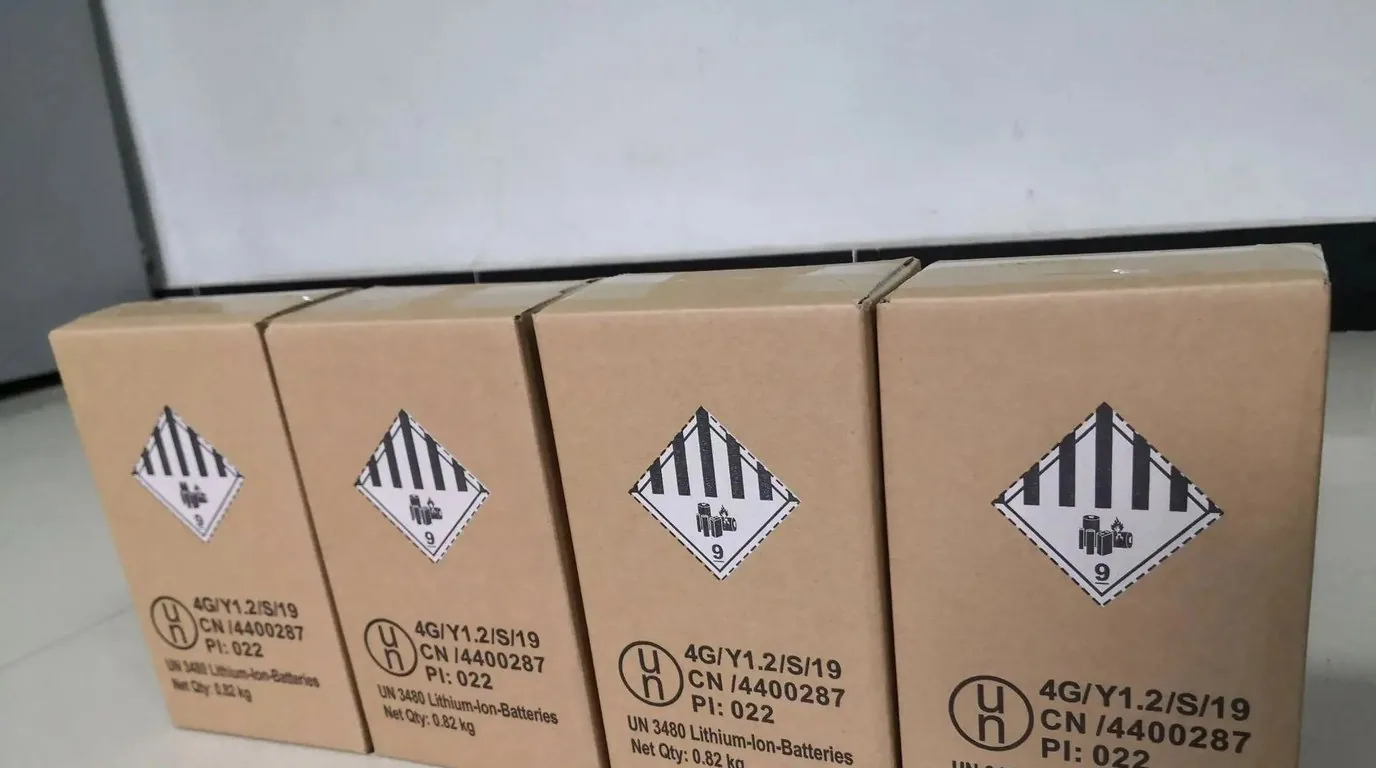
The short answer first. In every market and for every batch, three transport documents are mandatory: the UN38.3 test report, the MSDS and the dangerous-goods packaging appraisal result sheet (the packing certificate, Class 9 / UN 3480). All three are issued by the factory and travel with the container — miss one and the carrier will not accept a dangerous-goods booking. The second layer is destination approval, which differs by market: India AIS-156 Phase 2, Indonesia SNI, South Africa NRCS LOA, Nigeria SONCAP, Kenya PVoC / KEBS, Tanzania TBS PVoC, Egypt GOEIC / ACID, Thailand TISI, Vietnam QCVN 91, Sri Lanka SLS 1656 and Pakistan CPFTA / Form E. The third layer is the importer qualification and local registration the buyer holds — no factory can cover that. The table below can be read straight down your market.
verifiedThis page does not quote prices, does not promise clearance times, and does not list approvals it cannot substantiate. For any market outside the published basis, the destination regulations in force govern; the document list and processing order are confirmed item by item at quotation stage.
Market lookup: transport documents, local approval and who owns what
The same UN38.3, MSDS and packing certificate apply in every market; the second column is where markets differ. Only approval routes documented on this site are listed — for anything else, the destination regulations in force govern.
| Market | Destination approval (local) | Transport documents (shared, mandatory) | Who is responsible |
|---|---|---|---|
| India | AIS-156 Phase 2 | UN38.3 + MSDS + packing certificate (Class 9 / UN 3480) | Factory issues the transport set; buyer / local importer handles approval and clearance |
| Indonesia | SNI | UN38.3 + MSDS + packing certificate (Class 9 / UN 3480) | Factory issues the transport set; buyer / local importer handles approval and clearance |
| South Africa | NRCS LOA | UN38.3 + MSDS + packing certificate (Class 9 / UN 3480) | Factory issues the transport set; buyer / local importer handles approval and clearance |
| Nigeria | SONCAP (PC + SC) | UN38.3 + MSDS + packing certificate (Class 9 / UN 3480) | Factory issues the transport set; buyer / local importer handles approval and clearance |
| Kenya | PVoC / KEBS | UN38.3 + MSDS + packing certificate (Class 9 / UN 3480) | Factory issues the transport set; buyer / local importer handles approval and clearance |
| Tanzania | TBS PVoC | UN38.3 + MSDS + packing certificate (Class 9 / UN 3480) | Factory issues the transport set; buyer / local importer handles approval and clearance |
| Egypt | GOEIC / ACID | UN38.3 + MSDS + packing certificate (Class 9 / UN 3480) | Factory issues the transport set; buyer / local importer handles approval and clearance |
| Thailand | TISI | UN38.3 + MSDS + packing certificate (Class 9 / UN 3480) | Factory issues the transport set; buyer / local importer handles approval and clearance |
| Vietnam | QCVN 91 | UN38.3 + MSDS + packing certificate (Class 9 / UN 3480) | Factory issues the transport set; buyer / local importer handles approval and clearance |
| Sri Lanka | SLS 1656 | UN38.3 + MSDS + packing certificate (Class 9 / UN 3480) | Factory issues the transport set; buyer / local importer handles approval and clearance |
| Pakistan | CPFTA / Form E | UN38.3 + MSDS + packing certificate (Class 9 / UN 3480) | Factory issues the transport set; buyer / local importer handles approval and clearance |
| Any other market | Destination regulations in force | UN38.3 + MSDS + packing certificate (Class 9 / UN 3480) | Buyer / local importer owns local registration and clearance |
Transport documents and destination approval are two different questions: the first decides whether the container can sail, the second decides whether it can be sold or registered on arrival. Destination approval is normally applied for by the buyer, the local importer or the vehicle OEM, with the factory supplying test data and certificate material in support. For markets not listed here we set out the required files and the processing order at quotation stage, against the destination regulations in force.
Specification notice:The figures above are engineering reference values. They may differ with production batch, configuration and actual duty cycle, and the percentages for life, efficiency, availability and coverage are engineering estimates and bench references. Contact us for the detailed specification sheet.
The three-layer decision list: what to start first, who issues it, what the buyer does with it
Split certification into three layers and you will stop discovering a missing item after the order is placed.
descriptionLayer 1 · Transport (mandatory — miss one and there is no DG booking)
MSDS (16-section English safety data sheet) — supplied with the maritime transport condition appraisal, listing composition, hazard characteristics and emergency response. What the buyer does with it: a mandatory item for carrier acceptance and destination declaration, requested by customs, warehouses and insurers alike.
Dangerous-goods packaging appraisal result sheet (packing certificate) — issued by the local Customs authority per batch, verifying drop, airtightness and stacking performance and cross-checking nameplate characters, serial numbers and carton numbers. What the buyer does with it: proof that this batch may sail as Class 9, and a key document for the maritime declaration and destination inspection.
All three travel with the container as electronic copies, with stamped originals couriered as the contract and letter of credit provide. The container is booked as UN 3480, Class 9 dangerous goods, with state of charge held inside the 30% legal limit.
gavelLayer 2 · Destination approval (by market — start it early)
Two practical rules. First, approval usually takes longer than the ocean voyage, so it must start before the order, not while the container is at sea. Second, approval is normally applied for in the name of the buyer, the local importer or the vehicle OEM, with the factory supplying test data, samples and certificate material — so settle who is applying before the contract. Where a market has an already-certified model, using it saves a whole test round.
handshakeLayer 3 · What the buyer provides
① Importer qualification — your importer must be licensed to import and store Class 9 dangerous goods, or the container may be uncollectable at destination with heavy storage charges;
② Destination clearance documents — import declaration, tax number, commodity code confirmation and consignee details, handled by the buyer or its broker;
③ Local registration and trading qualifications — markets involving OEM fitment, vehicle registration or swap-station operation require a local entity;
④ Duty and destination charges — import duty, VAT, terminal handling, storage and brokerage fees are borne by the buyer and are not included in the product price unless the contract says otherwise. We issue origin documents such as Form E on request, but whether a preferential rate applies is decided by the destination customs authority.
helpFive questions to ask your supplier before ordering
② Is the MSDS travelling with the container the 16-section English version, and can you supply a stamped original plus the maritime transport condition appraisal?
③ Is the packing certificate issued for this batch, and can the nameplate, serial numbers and carton numbers be matched to it one for one?
④ Which local approval does my market need — do you have an already-certified model, or is a new round of testing required, and what do you need from me?
⑤ On which trade term is this quoted (EXW / FOB / CIF), can Form E be issued, and at which milestone are the complete documents handed over?
The three most common reasons a shipment is held
An incomplete document set
Without any one of UN38.3, MSDS or the packing certificate the container cannot be booked under dangerous-goods rules, or cannot be declared on arrival. The usual cause is not that nothing was prepared, but that the MSDS exists only in Chinese, or the packing certificate was not issued for this batch — carrying the previous shipment's set forward is exactly what the system catches.
Documents that do not match the physical batch
On-site inspection centres on document consistency: nameplate characters, carton numbers and battery serial numbers must match the packing certificate and the declaration. Repacking, mixing batches, or upgrading the model mid-order without updating the documents is the most common origin of this problem, and the fastest way to be stopped at inspection.
Destination approval not started in time
Destination approval answers "can it be sold" on arrival, and it usually takes longer than the voyage. Start it after placing the order and the goods land before the paperwork does: the container waits at the port, accruing storage and demurrage, and in markets tied to vehicle OEM fitment the whole batch can be rejected outright.
Import certification questions buyers ask most
Can we skip destination approval and only do UN38.3, MSDS and the packing certificate?expand_more
Is CE a universal passport? Does it open every market?expand_more
Who issues UN38.3, MSDS and the packing certificate, and what do I do with each?expand_more
Who applies for destination approval — can the factory handle all of it?expand_more
How many days does clearance take? Can you guarantee it will not be inspected?expand_more
Turn compliance into specific actions
Shipping compliance and packing certificate guide
The eight UN38.3 tests, MSDS and packing certificate applications, the four-step Class 9 container workflow and the destination document list.
Open the compliance guidearrow_forwardShipping policy
DG booking, container loading (about 180 units per 20GP), departure ports, EXW / FOB / CIF risk transfer and the 7-day damage claim.
Read the shipping policyarrow_forwardFAQ centre
Ordering, sampling, payment, trade terms, certification and after-sales policy in one place, so the terms are aligned before purchase.
Enter the FAQarrow_forwardExport market desks and local clearance routes
Twelve desks across India, South-East Asia, Africa and the Middle East, each pre-loaded with port clearance documents, the certification route and local duty-cycle data.
Browse the market desksarrow_forwardModel the document set and container plan for your destination port
Send the destination port, pack model and quantity, your market and whether you already have a local importer. We will return EXW / FOB / CIF freight modelling, a container loading plan and the document list, and set out the approval files your market needs and the order to process them in. This page does not quote prices; the formal quotation and contract govern.
- UN38.3, MSDS and the packing certificate travel with the container; stamped originals couriered per contract
- Samples in 3–5 days to prove the duty cycle before committing to a container and sailing
- Nominated forwarders, third-party inspection and video-supervised loading all accommodated
Specification notice:The figures above are engineering reference values. They may differ with production batch, configuration and actual duty cycle, and the percentages for life, efficiency, availability and coverage are engineering estimates and bench references. Contact us for the detailed specification sheet.