
verifiedAIS-156 | UN38.3 | CE | IEC 62619 | 12-market export certification system
EN
TIANQIULi-ion Export
The answer first · five myths taken apartLFP decomposes above 700°CDischarges at -20°CIP67 steel case, potted BMS3,500 cycles vs 300–500

Are lithium batteries good for motorcycles?yes — within clear boundaries

The short answer: yes, and lithium is now the mainstream choice for two- and three-wheeler electrification — with boundaries. The voltage platform must match the controller and cluster, the pack has to fit the bay, and capacity is sized from daily distance rather than the largest step. Automotive LiFePO4 decomposes above 700°C (against about 210°C for NMC) and releases no oxygen to feed combustion; it still discharges at -20°C; it ships in an IP67 steel enclosure with a potted BMS bay; and it delivers 3,500 cycles against 300 – 500 for lead-acid. On a lithium swap, most controllers can stay — only the charger must change. The five myths follow.

local_fire_department
LFP decomposition> 700°C
ac_unit
Discharge at -20°C≥ 85% retained
shield
EnclosureIP67 steel case
autorenew
Cycle life3,500 cycles

verifiedFigures are typical values at 25°C under standard conditions; the destructive-test data comes from the laboratory records in our published safety whitepaper, and the signed specification sheet governs.
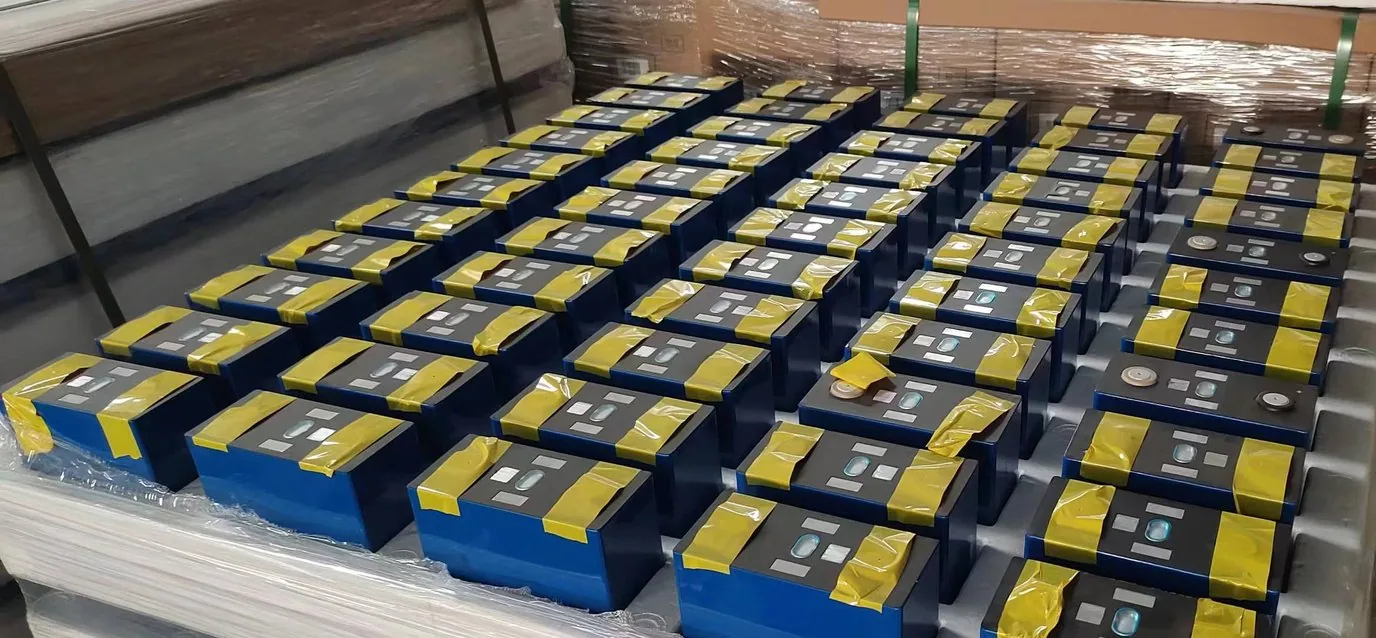
Industrial high-discharge LiFePO4 battery packs in steel enclosures
scienceThe five figures that answer the question

Five numbers answer the whole question

local_fire_department> 700°CLiFePO4 decomposition temperatureNMC sits near 210°C, and LFP releases no oxygen
ac_unit≥ 85%Discharge retention at -20°CConventional packs manage about 40% in the same test
shieldIP67Enclosure and pottingSteel case · potted BMS bay · bidirectional vent
autorenew3,500 cyclesCycle life1C charge/discharge to ≥80% SOH; lead-acid runs 300 – 500

Specification notice:The figures above are engineering reference values. They may differ with production batch, configuration and actual duty cycle, and the percentages for life, efficiency, availability and coverage are engineering estimates and bench references. Contact us for the detailed specification sheet.

fact_checkFive myths, taken apart

Five myths, taken apart

local_fire_departmentMyth ①: lithium is unsafe and catches fire

Safety comes down to chemistry and pack structure, and the mainstream chemistry for motorcycles is lithium iron phosphate. The olivine crystal structure decomposes above 700°C against about 210°C for NMC, and — more importantly — LFP releases no oxygen to feed combustion, so fire is blocked at the molecular level. On the structure side, the laboratory destructive-test basis is: when nail penetration or overcharge triggers thermal runaway, an explosion-proof relief valve vents the hot gases in a directed burst within milliseconds, and 800°C silica ceramic aerogel at just 0.018 W/(m·K) blocks open flame so the neighbouring cell rises only 12.4°C. A 1.5mm thickened cold-rolled steel enclosure holds its shape against 25kN of compression, insulation resistance stays above 100MΩ after an hour submerged in 300mm of storm water, and the pack resists fire and burst for more than 60 minutes. What is genuinely dangerous is downgraded, salvaged and workshop-assembled packs that lack insulation and directed venting — which is why the first decision in buying lithium is cell grade and pack structure.

ac_unitMyth ②: lithium is useless in winter

Cold is not a matter of "cannot be used" but of charge strategy and reduced discharge capability. On the discharge side, low-temperature cells still retain ≥85% of capacity at -20°C, against about 40% for conventional packs in the same test. Charging is the real issue: forcing charge below 0°C plates lithium onto the anode, so the BMS applies a charge interlock — it opens the main charge circuit below 0°C, starts the heating film to bring the cells to about +10°C, then resumes charging smoothly, rising at roughly 1.5°C/min and taking about 14.2 minutes to go from -20°C to +15°C. Low-temperature charge protection cuts in under 10ms. A 10mm aerogel felt inside the pack wall breaks the chassis cold bridge, so overnight parking at -20°C loses no more than 4°C in eight hours. The conclusion: winter riding works, provided charging happens after the pack is warmed.

water_dropMyth ③: lithium is afraid of water

The standard protection for motorcycle lithium is an IP67 steel enclosure with a potted BMS bay — water cannot get in, and even if it did it would not reach the circuitry. The pack carries an IP67 bidirectional breather valve (ePTFE) that bursts precisely at 15kPa with directed flow, keeping water out while still venting during thermal runaway. The basis: insulation resistance stays above 100MΩ after an hour in 300mm of storm water; one metre of immersion for 30 minutes lets in no moisture; the BMS includes insulation-resistance leakage detection and cuts the high-voltage main circuit within 10ms of an abnormal reading; and the pack passes UN38.3 vibration and crush testing. Real water risk comes from cheap packs with no potting and from connector seals that harden with age, not from lithium chemistry.

savingsMyth ④: lithium costs more than lead-acid

Move the basis from purchase price to lifetime cost per kilometre and the conclusion reverses. Take 72V 150Ah in both chemistries: the lead-acid pack weighs about 240 kg, is discharged to only 50 – 60% to protect its life, lasts 300 – 500 cycles and usually needs a midday top-up on heavy duty. The LiFePO4 pack weighs about 81 kg, is run to 88 – 90% depth of discharge, delivers 3,500 cycles and covers the whole day in one pack. That is roughly 7 – 10 times the cycle life, and the 160kg removed becomes payload or range directly, with no midday charging. On the operating side, the payback on a conversion typically lands at 6 – 8 months. "Dearer" is the first cost; "cheaper" is the cost per kilometre — it depends which basis you use.

buildMyth ⑤: fitting lithium means rebuilding the vehicle

Usually not. On a same-voltage replacement the controller can normally stay, provided two things are checked: that the current limit matches the motor, and that the low-voltage cut-off suits the new chemistry (lead-acid cuts at about 52.5V on a 60V system, while 16S LiFePO4 cuts at 44.0V, so without a reflash the gauge will dive). The charger must change — a lead-acid constant-voltage unit has no CC-CV knee and no BMS handshake and will drive the pack straight into protection, and 48V / 60V / 72V chargers are not interchangeable. Also confirm the cluster handshake (CAN 2.0B / RS485 / UART), or state of charge may not display, a fault may appear, or the vehicle may refuse to power up. The only case that genuinely rebuilds the vehicle is a voltage change: then controller MOSFETs must cover the new full-charge voltage (87.6V at 72V, with a 98.4V transient Vpeak downhill, needing 100V – 120V automotive parts), with the bay volume, insulation and DC-DC checked alongside.
compare_arrowsLead-acid vs LiFePO4

At equal nominal capacity: lead-acid against LiFePO4 over the full life

This table is the whole basis for myth ④. Put one nominal capacity on a lifetime footing and the gap in purchase price is closed by cycle life and usable capacity.

Lifetime basis
PointLead-acid (equal nominal capacity)LiFePO4
Cycle life300 – 500 cycles3,500 cycles at 1C to ≥80% SOH
Usable capacity (depth of discharge)Typically only 50 – 60%88 – 90% DoD recommended
Pack weight at 72V 150Ah≈ 240 kg≈ 81 kg (about 160 kg lighter)
Charging per shiftHeavy duty usually needs a midday top-upOne pack covers the day (sized at 90 – 110km heavy duty)
Cold weatherUsable capacity falls away below 0°CDischarges at -20°C with ≥85% retained; charging warms first by policy
Water and ingressTerminals oxidise and seals harden, letting water inIP67 steel enclosure with potted BMS bay; >100MΩ after an hour in 300mm of water
Warranty basisRepeated spend as packs are replaced5 years / 3,500 cycles

Weight and capacity are quoted at equal nominal capacity (72V 150Ah for example); cycle and warranty figures are for 1C charge/discharge to ≥80% SOH. Operating payback is calculated from conversion cost against daily distance, and moves with payload, road conditions and charging policy. Further reading: lead-acid to lithium upgrade.

Specification notice:The figures above are engineering reference values. They may differ with production batch, configuration and actual duty cycle, and the percentages for life, efficiency, availability and coverage are engineering estimates and bench references. Contact us for the detailed specification sheet.

helpLithium for motorcycles FAQ

Six questions we are asked most about lithium on motorcycles

Are lithium batteries actually good for motorcycles?expand_more
Yes, and lithium is now the mainstream choice for two- and three-wheeler electrification. But "good" has three boundaries. First, the voltage platform must match the controller and cluster — a same-voltage replacement usually keeps the controller, while a voltage change means checking MOSFET ratings and insulation first. Second, the pack has to fit the bay, so measure before sizing. Third, capacity is sized from daily distance and payload: two-wheeler delivery measures 28 – 35 Wh/km combined and heavy cargo 95 – 125 Wh/km, so work back from daily distance plus about 20% margin rather than taking the biggest step.
Why does everyone say lithium is unsafe?expand_more
Three different things get mixed together. First, chemistry: automotive LiFePO4 decomposes above 700°C against about 210°C for NMC, and LFP is the mainstream chemistry for motorcycles. Second, pack structure: a proper pack has an IP67 steel enclosure, a potted BMS bay, a 15kPa directed relief valve and aerogel insulation, so nail and overcharge testing measures a neighbouring-cell rise of only 12.4°C with more than 60 minutes of fire and burst resistance. Third, cell source: downgraded, salvaged and workshop-assembled packs without insulation or directed venting are where incidents actually come from.
Does it really work in winter, and how much range is lost?expand_more
It works. On the discharge side, low-temperature cells retain ≥85% of capacity at -20°C against roughly 40% for conventional packs, and while riding a scheduled self-heating cycle can restore the cells to their efficient band using only 3% – 5% of pack energy. Charging is the key part: below 0°C the BMS interlocks charging and starts the heating film, resuming smooth charge at about +10°C; the rise runs at roughly 1.5°C/min, taking about 14.2 minutes from -20°C to +15°C, and 10mm aerogel felt limits overnight cooling at -20°C to no more than 4°C over eight hours.
Is riding in the rain or through standing water a risk?expand_more
The standard pack is IP67 steel-encased with a potted BMS bay. Typical: insulation resistance stays above 100MΩ after an hour in 300mm of storm water, one metre of immersion for 30 minutes admits no moisture, and the pack passes UN38.3 vibration and crush testing. The BMS includes insulation-resistance leakage detection and cuts the high-voltage main circuit within 10ms of an abnormal reading. What deserves attention is connector sealing and harness insulation hardening with age — periodic inspection is more useful than worrying about lithium and water.
It costs so much more than lead-acid — is it worth it?expand_more
It depends on the basis. At equal 72V 150Ah: the lead-acid pack weighs about 240 kg, allows only 50 – 60% usable capacity and lasts 300 – 500 cycles with a midday top-up on heavy duty; the LiFePO4 pack weighs about 81 kg, is run to 88 – 90% depth of discharge and delivers 3,500 cycles, covering the day in one pack. That is around 7 – 10 times the cycle life, and the 160kg saved becomes payload or range directly. On the operating side, conversion payback typically lands at 6 – 8 months.
Do I have to rebuild the vehicle, and what must be replaced?expand_more
Usually no rebuild is needed. The charger must be replaced — a lithium-specific CC-CV charger with the correct voltage class and string count (48V, 60V and 72V units are not interchangeable); a lead-acid constant-voltage charger will drive the pack straight into protection. The controller normally stays, but the current limit and low-voltage cut-off must be checked (lead-acid cuts at about 52.5V on 60V, 16S LiFePO4 at 44.0V). Confirm the cluster handshake too (CAN 2.0B / RS485 / UART). Only a voltage change drags in MOSFET ratings, insulation and the DC-DC.
library_booksRelated pages

Once the fit is confirmed, check these three

request_quoteLithium suitability enquiry

Send your vehicle and duty cycle and we will confirm the lithium build

Give us the destination port, vehicle, motor rating, daily distance and everyday payload. We will confirm whether the voltage platform and capacity step suit the duty cycle, then return FOB / CIF pricing, container allocation and the shipping document list.

  • Selection advice and pricing within 24 hours on working days
  • Engineering sample packs available to prove range and climbing before a container order
  • Vehicle parameters and market-access documents are strictly confidential; NDA available first
callDirect / WhatsApp: +86 13922702227
location_onEBattery Office, Room 310I, Huilange BLDG, No. 273, Huangpu Blvd W, Tianhe District, Guangzhou 510620, Guangdong, China
scheduleReply within 24 hours on working daysscienceFit confirmed against your duty cycle, with no inflated claimsverified_userUN38.3 / MSDS / dangerous-goods packing certificate with every container

Specification notice:The figures above are engineering reference values. They may differ with production batch, configuration and actual duty cycle, and the percentages for life, efficiency, availability and coverage are engineering estimates and bench references. Contact us for the detailed specification sheet.