
Cargo tricycle battery in the Philippines:how to pick the spec, and what the cost is made of
The direct answer: Philippine cargo and passenger three-wheelers run one chassis family, and the spec is chosen on payload and shift length — light last-mile delivery on 48V 60Ah (2.88 kWh), a 6–8 seat passenger E-Trike on 60V 100Ah (6.0 kWh), a hill-climb version on 72V 100Ah (7.2 kWh), and a rated 800–1000 kg cargo three-wheeler on 72V 160–200Ah (11.5–14.4 kWh at a 95–125 Wh/km basis). Cost has three parts: the pack configuration itself (capacity band, voltage platform, BMS current class and enclosure protection); the protection and validation the Manila duty cycle forces (300mm wading, IP67, salt fog and thermal derating); and the document and clearance route (LTO / BPS / PNS reports and BOI EVIDA duty relief). No amounts appear on this page — pricing is modelled from destination port, payload, daily distance and motor rating.
verifiedNo amounts are published here · wading, salt-fog and duty figures come from the field-validation basis on the Philippines market desk · the signed quotation governs the final configuration
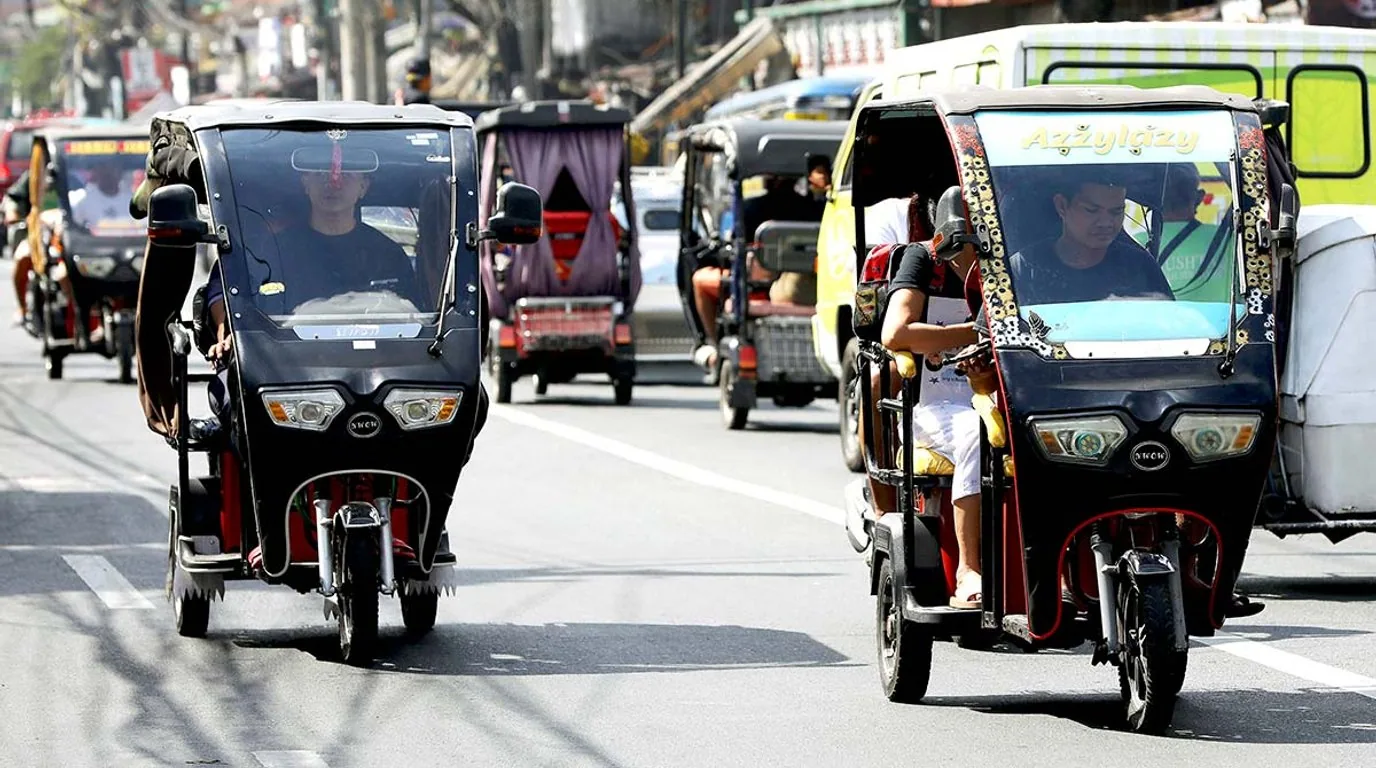
Configuration by payload and shift: light delivery through 800–1000 kg heavy cargo
Four vehicle classes dominate the Philippine market and the voltage platform and capacity band follow them. The heavy cargo three-wheeler is configured at a rated 800–1000 kg with a 95–125 Wh/km basis; passenger duty is 55–68 Wh/km; light delivery does not inherit the heavy-duty basis and is set per vehicle.
| Vehicle class and payload | Voltage platform | Pack spec / nominal energy | Continuous / peak discharge | Consumption basis | Target range per charge |
|---|---|---|---|---|---|
| Light last-mile delivery three-wheeler (about 200 kg; Manila parcel runs and private conversions) | 48V (16S) | 48V 60Ah · 2.88 kWh | 60A continuous / 120A peak | Light band · set per vehicle | 70–85 km |
| Standard 6–8 seat passenger E-Trike (Pasay / Quezon commuter core) | 60V (16S) | 60V 100Ah · 6.0 kWh | 100A continuous / 200A peak | Passenger three-wheeler band, 55–68 Wh/km | 90–105 km (six adults, level road) |
| High-power hill-climb version (Antipolo / Baguio gradients) | 72V (24S) | 72V 100Ah · 7.2 kWh | 120A continuous / 250A peak | Passenger band, stepped up for gradient | 115–135 km (20° gradient, loaded, no derating) |
| Heavy cargo three-wheeler (rated 800–1000 kg, boxed body and building materials) | 72V (24S) | 72V 160–200Ah · 11.5–14.4 kWh | 150–250A continuous / 3C short-term peak | Heavy cargo band, 95–125 Wh/km | 90–110 km (loaded) |
Range is converted at typical full load, 35°C ambient and paved to lightly unpaved surfaces; payload, gradient, tyre pressure and riding style all move it. Platform continuous discharge is 150–250A with 3C peak for short climbs. The capacity-to-duty mapping is in the real capacity and range engineering guide, and the vehicle matrix with container volumes is on the Philippines market desk.
Specification notice:The figures above are engineering reference values. They may differ with production batch, configuration and actual duty cycle, and the percentages for life, efficiency, availability and coverage are engineering estimates and bench references. Contact us for the detailed specification sheet.
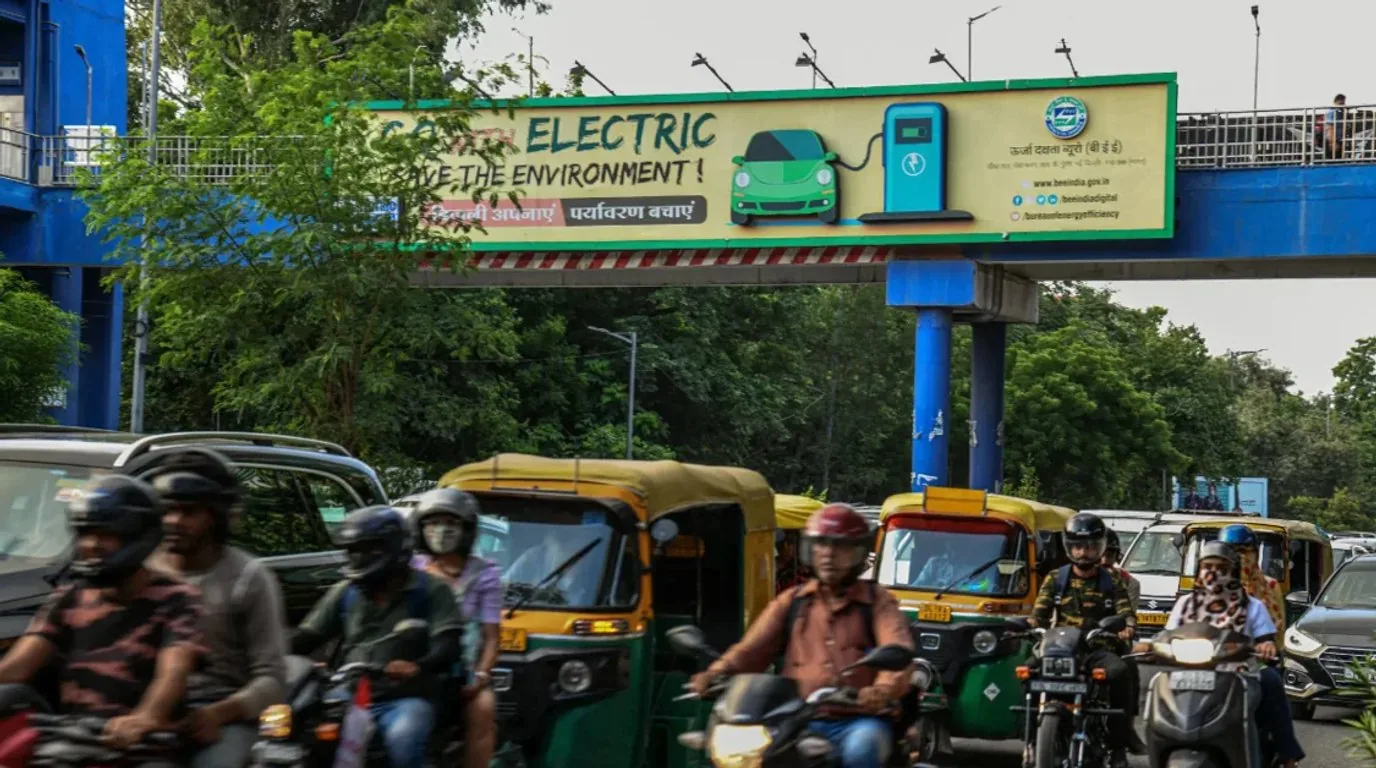
Why wading protection is a hard requirement here: 300mm of flood water plus salt fog
In Manila protection is not an option, it is part of the specification. Low-lying roads flood repeatedly through the June to October typhoon season, while coastal salt fog attacks terminals and enclosures year round — together they decide how long a pack lasts.
The field-validation basis recorded on the Philippines market desk is a tested 300mm wading depth: an IP67 aviation-grade aluminium or die-cast enclosure with a high-grade foamed silicone seal ring, and a Gore one-way microporous breather valve in the lid that passes air but not water, so the interior stays dry even with the vehicle wading 300mm. External arc-resistant watertight terminals remove the leakage and tripping seen on conventional three-wheelers, and every pack is 100% leak-tested at the factory. At platform level the enclosure is a IP67 steel case with a potted BMS bay, rated from −20°C to 65°C with high-temperature derating and low-temperature current limiting.
- Typhoon-season wading is a requirement, not a feature. Manila floods repeatedly from June to October and depths routinely reach the 300mm class. A pack without sealing and a breather valve takes on moisture and loses insulation resistance — and then fails at the next high-current moment.
- Salt fog decides terminal life. Along the Roxas Boulevard corridor, a continuous 16-hour loaded passenger cycle at high salinity and high heat produced zero terminal oxidation with the pack voltage spread held at ≤15mV. That is the precondition for a coastal fleet to stay in service.
- Heat stacks on top of shift length. Running all day at 38–42°C in direct sun, multiple NTC probes inside the pack begin dynamic current re-weighting at about 55°C and hold temperature under the 60°C safety line instead of shutting the vehicle down.
- Stop-start duty demands transient over-current tolerance. Both city delivery and passenger work are dense stop-start cycles. Platform continuous discharge is 150–250A with 3C peak for short climbs, and the specification must satisfy the pull-away transient and the sustained gradient together.
LTO / BPS / PNS and the BOI EVIDA duty package: documents are a cost line too
The Philippines is one of the markets that writes electrification compliance into commercial three-wheeler review. The pack and the vehicle are checked at different levels, and aligning that list early removes an entire rework cycle and the demurrage behind it.
LTO compliance support to the BPS and PNS ISO basis
Matched to the Land Transportation Office review standard for commercial three-wheeler electrification, we supply cell and pack test reports conforming to the Bureau of Product Standards and PNS ISO requirements so the filing package lines up first time: UN38.3 vibration / drop / thermal shock reports, IEC 62619 industrial safety certification, and HS code 8507.60 consistency filing.
BOI duty exemption and rebate package under EVIDA
Working with the Electric Vehicle Industry Development Act (EVIDA), we help local buyers and conversion plants apply to the Board of Investments for zero-tariff and VAT exemption treatment: the EVIDA clean-transport project invoice and certificate of origin, plus China–ASEAN FORM E zero tariff. On the desk’s own modelling this reduces combined landed import charges by 12%–15%.
Direct Manila sailings and clearance timing
Shipped from Shekou or Nansha, direct to the Port of Manila in 5–7 days with release in about 2–3 working days; onward delivery to Cebu and Davao is available. Lithium packs are Class 9 dangerous goods, so the packing certificate and UN38.3 identification report travel with the container, backed by standing Class 9 allocation on ASEAN line services.
Philippines cargo tricycle battery: spec and cost questions
What does a cargo tricycle battery cost in the Philippines?expand_more
Is the 300mm wading figure actually tested, and why is it a hard requirement here?expand_more
Will one pack cover a 16-hour shift, or does it need a mid-shift top-up?expand_more
How do the registration and duty-relief routes work, and what should be prepared in advance?expand_more
With salt fog, heat and flooding at the same time, how much life is lost?expand_more
Which configuration should a heavy cargo three-wheeler use in the Philippines?expand_more
Get a firm quotation for your payload and shift pattern
Send destination port, rated payload, daily distance and motor rating and we will model FOB / CIF pricing for the matching capacity band, 20GP / 40HQ stowage and lead time, with the report list the LTO filing needs and the FORM E duty-relief basis.
- 300mm wading validation report and 100% factory leak-test records provided
- BPS / PNS ISO test reports for the LTO filing ship with the goods
- Fleet customers can add remote CAN diagnostics and a resident coordinator
Specification notice:The figures above are engineering reference values. They may differ with production batch, configuration and actual duty cycle, and the percentages for life, efficiency, availability and coverage are engineering estimates and bench references. Contact us for the detailed specification sheet.
Your fleet operating data and enquiry records stay strictly confidential and are never resold to any third party.