
Electric motorcycle battery price in Kenya and Pakistan:why the two markets cannot share one number
The short answer: the two markets differ not because freight varies slightly, but because vehicle duty, settlement model, access documents and container cost allocation all differ. Kenya runs Boda Boda two-wheelers and Bajaj RE / TVS King passenger tricycles, with fleets on M-Pesa PAYGO daily payment and two-stage soft limiting (15km/h on arrears), access via KEBS / PVoC pre-shipment inspection and 18–22 days into Mombasa. Pakistan runs passenger Rickshaws and heavy Loaders in Lahore and Karachi, with access via the CPFTA Form E (0% duty) plus a PSQCA import conformity file, and 10–12 days direct into Karachi. This page publishes no figures at all — it explains the five drivers behind the number, and every price is confirmed on a formal quotation.
verifiedNo price ranges are published here. Price moves with vehicle, capacity, access configuration and container volume; send destination port, payload, daily distance and motor rating for FOB / CIF pricing.
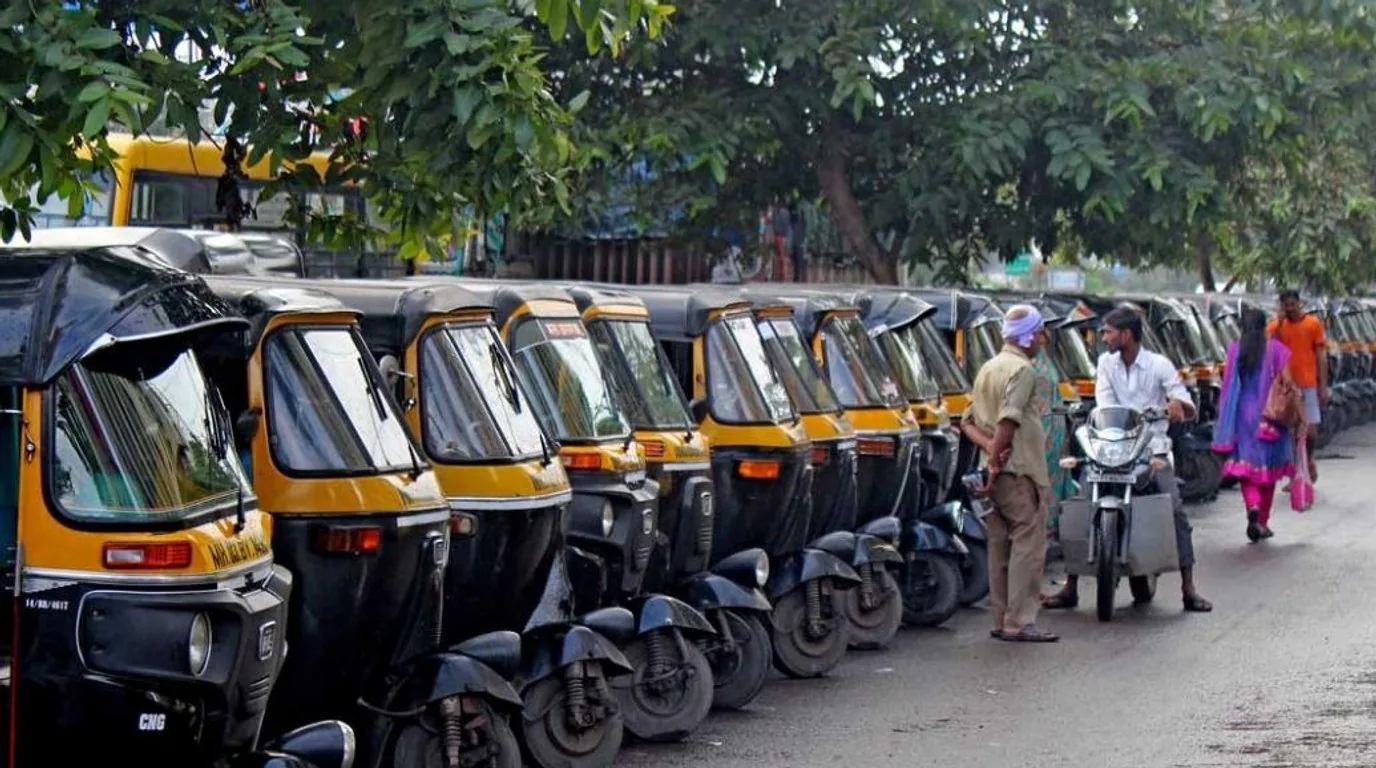
The two markets side by side: vehicles, distance, specification, access and transit
Placed in one table the differences are plain. Transit times are quoted only because the published market pages already state them; unconfirmed routings are not listed.
| Dimension | Kenya (Nairobi / Mombasa) | Pakistan (Lahore / Karachi) |
|---|---|---|
| Main vehicle classes and duty | Boda Boda two-wheelers (urban delivery and passenger) plus Bajaj RE 205cc / TVS King passenger and combined-duty tricycles | Classic passenger Rickshaws (Sazgar / Bajaj) plus heavy freight Loader tricycles, with Foodpanda two-wheeler delivery riders alongside |
| Daily distance | About 130km per vehicle on core commercial routes (CBD → Westlands → Kasarani) | Commonly 100 – 130km for taxi and heavy freight; 65 – 80km for delivery two-wheelers |
| Recommended specification | Tricycles 60V 120Ah (7.2 kWh) or 60V 100Ah (6.0 kWh); Boda Boda 72V 45Ah × 2 parallel packs (6.48 kWh) | Passenger 60V 105Ah (6.3 kWh); heavy Loader 72V 150Ah (10.8 kWh); tourist duty 72V 200Ah; delivery two-wheeler 60V 30Ah |
| Loaded range basis | Tricycles 125 – 140km with 4 passengers; Boda Boda twin packs 140 – 150km | Passenger duty 100 – 120km; Loader 110 – 130km at 800kg payload |
| Destination access | KEBS / PVoC pre-shipment inspection with SGS / CCIC issuing the export CoC, giving fast clearance at Mombasa without unstuffing | Official CPFTA Form E certificate of origin (0% duty, HS 8507.6000) plus a PSQCA import conformity technical file |
| Shipping documents | UN38.3, MSDS and dangerous-goods packing certificate (Class 9), plus the customs packing-use appraisal certificate | UN38.3, MSDS and dangerous-goods packing certificate (Class 9), plus the customs packing-use appraisal certificate |
| Transit and destination port | Guangzhou / Ningbo → Port of Mombasa in 18 – 22 days, with onward SGR rail transfer to Nairobi in 8 hours | Shenzhen Shekou / Ningbo direct to Port of Karachi / Port Qasim in 10 – 12 days |
| Settlement and asset control | M-Pesa PAYGO (USSD *334# / App) paid daily or weekly; two-stage soft limiting on arrears and a 72-hour grace period without cellular coverage | Irrevocable documentary letter of credit (L/C at sight), T/T and third-party RMB cross-border settlement |
Vehicle classes and range figures come from the published Kenya market page and Pakistan market page. Container quantities are calculated against IMO UN packing weight limits and confirmed in the final loading plan.
Specification notice:The figures above are engineering reference values. They may differ with production batch, configuration and actual duty cycle, and the percentages for life, efficiency, availability and coverage are engineering estimates and bench references. Contact us for the detailed specification sheet.
The five drivers behind the price: why one vehicle model quotes so differently
- 01battery_full
Voltage platform and capacity step (total kWh)
Total energy = voltage × capacity, and that is the first cost variable. A Kenyan Boda Boda twin pack at 72V 45Ah × 2 is about 6.48kWh, while a Pakistani Loader at 72V 150Ah is about 10.8kWh — not the same order of magnitude. The voltage step also sets the string count (16S / 24S, where 48V and 60V are both 16S) and the BMS voltage rating.
Driver: kWh, string count, voltage platform - 02memory
Cell grade and BMS specification
There is a real difference between Tier-1 A-grade automotive cells and salvage or downgraded material, and continuous discharge capability is priced in too: 150 – 250A continuous at platform level with a 3C peak for short climbs. Pakistani Loader duty calls for 240A pulse output, which lifts the BMS and busbar specification with it.
Driver: cell grade, continuous and peak current, BMS voltage array - 03shield
Enclosure and housing process (corrosion and vibration)
Steel armour, a thickened base plate, puncture resistance and a vibration-damping base all change the cost. Mombasa averages 88% humidity, so the enclosure and terminals must be built to salt-spray standards; Lahore runs 45°C summer heat with dust and needs insulation and a three-stage air duct. Process level is priced per destination, never as a shelf product.
Driver: enclosure process, ingress rating, regional reinforcement - 04description
Container document set and destination access
UN38.3, MSDS and the dangerous-goods packing certificate (Class 9) are the common floor in both markets. The difference is access: Kenya needs KEBS / PVoC pre-shipment inspection with an export CoC, while Pakistan needs the CPFTA Form E certificate of origin and a PSQCA import conformity technical file. Different document and inspection workloads produce different prices.
Driver: CoC inspection, Form E, conformity file - 05local_shipping
Destination port, trade terms and container allocation
A 20GP holds very different quantities of 60V 120Ah tricycle packs and 60V 30Ah two-wheeler packs, so the sea freight and dangerous-goods insurance cost per pack differs with it. Trade terms (EXW / FOB / CIF) and the destination port (Mombasa against Karachi) also change the landed cost directly.
Driver: EXW / FOB / CIF, 20GP / 40HQ volume
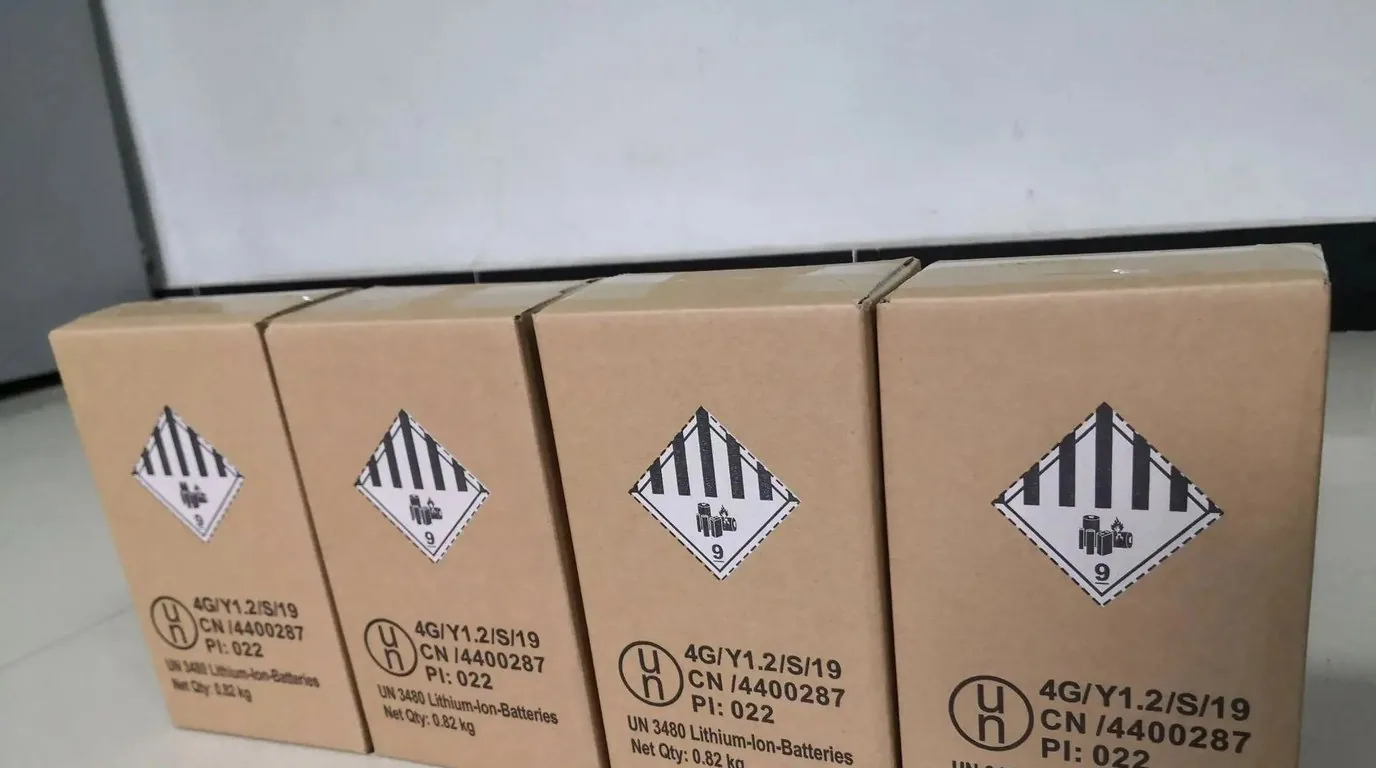
Why a fixed price does not work: miss one variable and the number is wrong
Lithium packs are built to order by kWh, cell grade and document set, so the same question — "what does a 60V battery cost?" — lands a long way apart in the two markets. That is why we publish no guess range: the lower the range, the more likely it steers a buyer towards downgraded cells and thin document sets. The right sequence is to supply four inputs and let the export desk model FOB / CIF against the destination port.
- Vehicle and bay: Boda Boda twin parallel packs, steel-cased tuk-tuk packs and heavy Loader packs with thickened base plates are entirely different enclosures.
- Payload and daily distance: these set the capacity step (kWh) and the cell rate class, and decide whether the BMS is conventional continuous discharge or must deliver 240A pulses.
- Destination access: KEBS / PVoC and CPFTA Form E plus PSQCA are two different document and inspection processes and cannot be quoted as one line.
- Container volume and trade terms: 20GP / 40HQ quantities set the freight and dangerous-goods insurance share per pack, and EXW / FOB / CIF must be fixed explicitly.
The five questions we are asked most about the two markets
Why does this page not publish actual prices?expand_more
How do the access documents differ between Kenya and Pakistan?expand_more
How should a Boda Boda or a heavy Loader be specified?expand_more
Pakistan is only 10–12 days by sea — is it the easier market?expand_more
How does heat in the two markets affect specification and price?expand_more
For the detail in each market, read these three
Kenya market desk
Boda Boda and tuk-tuk configuration matrix, the M-Pesa PAYGO soft-limiting loop, KEBS / PVoC clearance and 18–22 day Mombasa sailings.
See the Kenya deskarrow_forwardPakistan market desk
Lahore and Karachi passenger Rickshaw, heavy Loader and delivery two-wheeler matrix, CPFTA Form E zero duty and 10–12 days into Karachi.
See the Pakistan deskarrow_forwardE-motorcycle battery selection hub
A 48V / 60V / 72V decision table from motor power, daily distance and payload, with a 28 – 35 Wh/km matrix.
See e-motorcycle selectionarrow_forwardGive us the destination port and duty cycle, and we will issue firm FOB / CIF pricing
Send the destination port (Mombasa / Karachi), vehicle and payload, daily distance and motor rating. We will return the capacity step and configuration advice, plus FOB / CIF pricing, container allocation and the shipping document list including the KEBS / PVoC or Form E arrangement.
- Selection advice and pricing within 24 hours on working days
- Engineering sample packs and the destination access document list can be issued before a container order
- Fleet data, settlement method and channel information are strictly confidential; NDA available first
Specification notice:The figures above are engineering reference values. They may differ with production batch, configuration and actual duty cycle, and the percentages for life, efficiency, availability and coverage are engineering estimates and bench references. Contact us for the detailed specification sheet.