
72V lithium battery packs:the platform for heavy loads and long shifts
At the same shaft power, a higher bus voltage means lower current. Against a 48V platform, 72V (24S) cuts loaded hill-climb current to roughly two thirds, which drops both cable heating and voltage sag. That is why loaded tricycles and high-speed e-motorcycles run 72V. This page lists the full 40Ah–200Ah matrix, vehicle fit, the lead-acid comparison and the selection limits.
verifiedFigures are typical values at 25°C under standard conditions; the signed specification sheet that ships with your container governs.
What the 72V platform delivers
Specification notice:The figures above are engineering reference values. They may differ with production batch, configuration and actual duty cycle, and the percentages for life, efficiency, availability and coverage are engineering estimates and bench references. Contact us for the detailed specification sheet.
72V (24S LiFePO4) capacity matrix by duty cycle
Energy is computed at 76.8V nominal. Weight is the assembled pack including steel enclosure, BMS and harness, at roughly 7 kg/kWh (±5%). Choose by daily range and payload — not by picking the largest pack.
| Capacity | Nominal energy | Pack weight (typical) | Duty cycle | Target range | Pack model |
|---|---|---|---|---|---|
| 72V 40Ah | ≈ 3.07 kWh | ≈ 22 kg | High-speed e-moto commuting, short shuttles | 64 – 84 km | VT-7240-EMOTO |
| 72V 50Ah | ≈ 3.84 kWh | ≈ 27 kg | Delivery riders, up to 80 km/day | 70 – 85 km | VT-7250-DELIVERY |
| 72V 60Ah | ≈ 4.61 kWh | ≈ 32 kg | Swap two-wheelers, double-shift short routes | 97 – 127 km | VT-7260-SWAP |
| 72V 100Ah | ≈ 7.68 kWh | ≈ 54 kg | Passenger rickshaws, moderate payload | 100 – 120 km | VT-72100-PASSENGER |
| 72V 130Ah | ≈ 9.98 kWh | ≈ 70 kg | Tropical long-haul passenger duty | 110 – 130 km | VT-72130-TROPICAL-HD |
| 72V 150Ah | ≈ 11.52 kWh | ≈ 81 kg | Heavy cargo, frequent gradients | 90 – 110 km | VT-72150-CARGO |
| 72V 180Ah | ≈ 13.82 kWh | ≈ 97 kg | Cargo tricycles at 800–1000 kg payload | 90 – 110 km | VT-72180-CARGO-PRO |
| 72V 200Ah | ≈ 15.36 kWh | ≈ 107 kg | Maximum payload or twin-pack long shifts | 100 – 120 km | VT-72200-CARGO-MAX |
Range is converted from typical averages at loaded duty, 35°C ambient and paved to lightly unpaved surfaces: 95–125 Wh/km for heavy cargo, 65–80 Wh/km for passenger rickshaws, 28–35 Wh/km for high-speed e-motorcycles. Payload, gradient, tyre pressure and riding style all move the result.
Specification notice:The figures above are engineering reference values. They may differ with production batch, configuration and actual duty cycle, and the percentages for life, efficiency, availability and coverage are engineering estimates and bench references. Contact us for the detailed specification sheet.
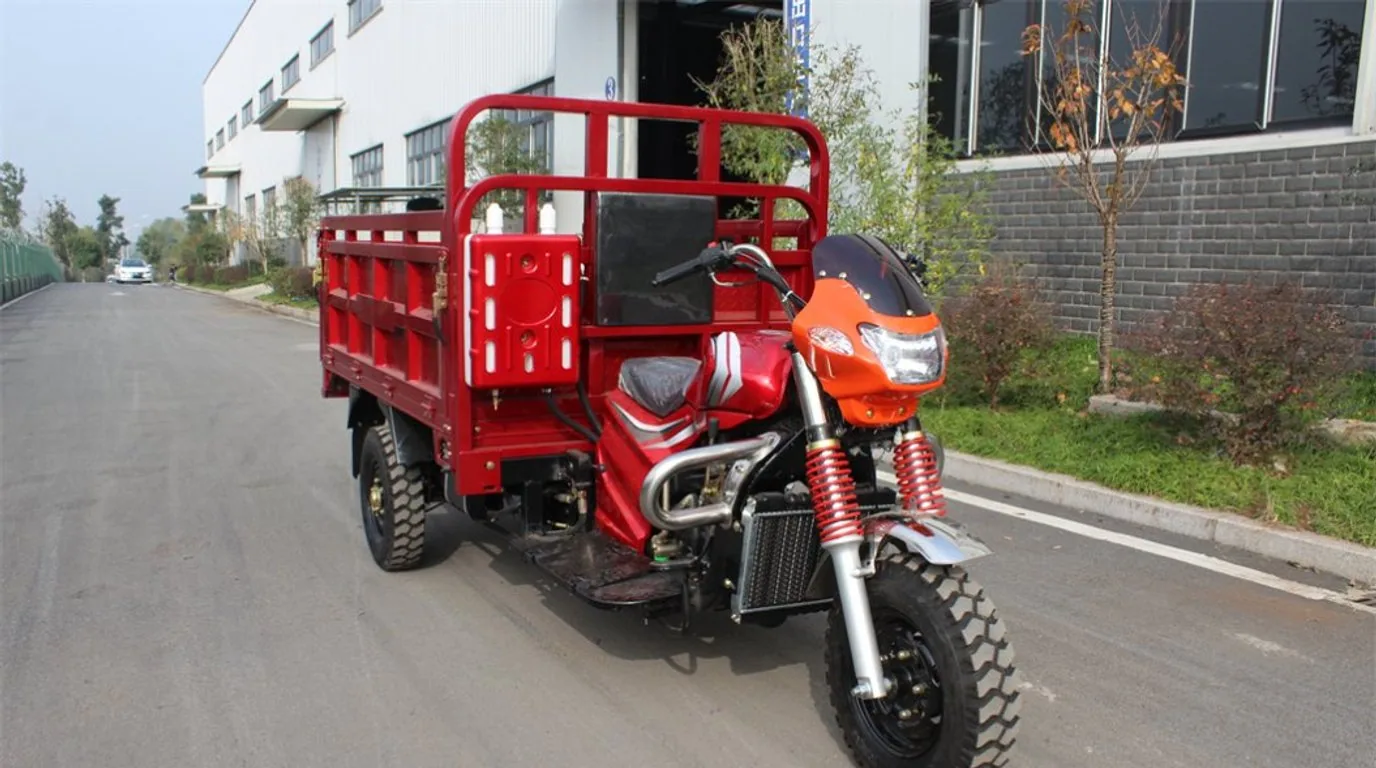
Which vehicles belong on 72V — and which do not
72V is not a premium tier; it is the tier for heavier work. The right voltage follows the motor rating, the everyday payload and the gradients on the route. Fitting 72V to a light short-route vehicle only adds weight and cost without adding daily range.
- Choose 72V when the motor is rated 3000W or more, the daily payload exceeds 500 kg, the route includes long gradients or unpaved sections, and the shift covers 90 km or more.
- Choose 60V for two-wheeler delivery and swap fleets, and for passenger rickshaws on standard routes — the widest-coverage step.
- Choose 48V for light passenger duty and flat routes within about 120 km per day, where weight and cost matter most.
- Do not choose 72V if the battery box cannot take a 24S pack, or if the controller and instrument cluster were never rated for the higher string voltage — the retrofit cost will exceed the benefit.
- Controller MOSFET rating and current limit must cover the 87.6V full-charge voltage and the hill-climb peak current
- Battery box dimensions: a 24S pack is larger than the same-capacity 48V pack, so measure before choosing capacity
- Instrument cluster and DC-DC: the 72V platform needs a matching step-down module, or lights and gauges will fail
- Charger: a 24S CC-CV charger is mandatory — never continue with a lead-acid constant-voltage charger
Both are labelled 72V — where lead-acid and LiFePO4 diverge
Factory lead-acid 6×12V 150Ah
About 72V 150Ah nominal- cancelAssembled weight≈ 240 kgSix 12V 150Ah blocks at about 40 kg each — reference value
- cancelUsable capacityDischarged to only 50–60% to protect life: roughly 80–90Ah usable from a 150Ah label
- cancelCycle life300 – 500 cyclesOften under 300 under deep discharge
- cancelCharging per shiftHeavy duty usually needs a midday top-up
- cancelCold weatherUsable capacity falls away below 0°C
72V 150Ah LiFePO4
Same nominal capacity · 24S LFP- check_circleAssembled weight≈ 81 kgAbout 160 kg lighter than lead-acid
- check_circleUsable capacity88–90% DoD recommendedUsable capacity close to the label
- check_circleCycle life3,500 cycles1C charge/discharge to ≥80% SOH
- check_circleCharging per shiftOne pack covers the daySized at 90–110 km heavy-duty range
- check_circleCold weatherDischarges at −20°C; charging is current-limited by policy
72V lithium battery questions we get every week
How far will one 72V battery take me?expand_more
How long does a 72V pack take to charge?expand_more
My vehicle is 60V — can I just fit a 72V pack?expand_more
Do I need a new controller and charger when leaving lead-acid?expand_more
What does a 72V lithium battery cost?expand_more
Can a 72V pack be built as swappable?expand_more
How many years will it last?expand_more
What certifications does a 72V pack need to ship?expand_more
Four things to check once the voltage is fixed
Compare the 60V / 48V platforms
Calculated bus current, copper loss and efficiency at the same 3000W output.
See the 60V platformarrow_forwardLead-acid to lithium replacement
The range gain at equal capacity, plus the controller and charger compatibility checklist.
See replacement optionsarrow_forwardVoltage selection decision tree
Work back from vehicle, power and payload to 48V / 60V / 72V, with the engineering model.
Open the selection guidearrow_forwardThailand tuk-tuk battery desk: 72V / 60V, TISI approval
The Thailand desk for electric tuk-tuks and resort shuttles — 158V back-EMF blocking, TISI approval and Form E cutting duty to 0%.
Open the Thailand deskarrow_forwardGet a firm 72V quotation against your duty cycle
Send the destination port, payload, daily distance and motor rating. We will size the pack, return FOB / CIF pricing and container allocation, and attach the shipping document list.
- Selection advice and pricing within 24 hours on working days
- Sample packs available to prove the duty cycle before committing to a container
- Vehicle parameters and market-access documents are strictly confidential; NDA available first
Specification notice:The figures above are engineering reference values. They may differ with production batch, configuration and actual duty cycle, and the percentages for life, efficiency, availability and coverage are engineering estimates and bench references. Contact us for the detailed specification sheet.